wikiarya.com

Injil District
Editor's Choise, Most Read, Popular Articles, Popular Topics, Recent News, Recent Topics, Special Reports, Uncategorized, Weekly Contents, Weekly Posts

Injil District in Herat Provence

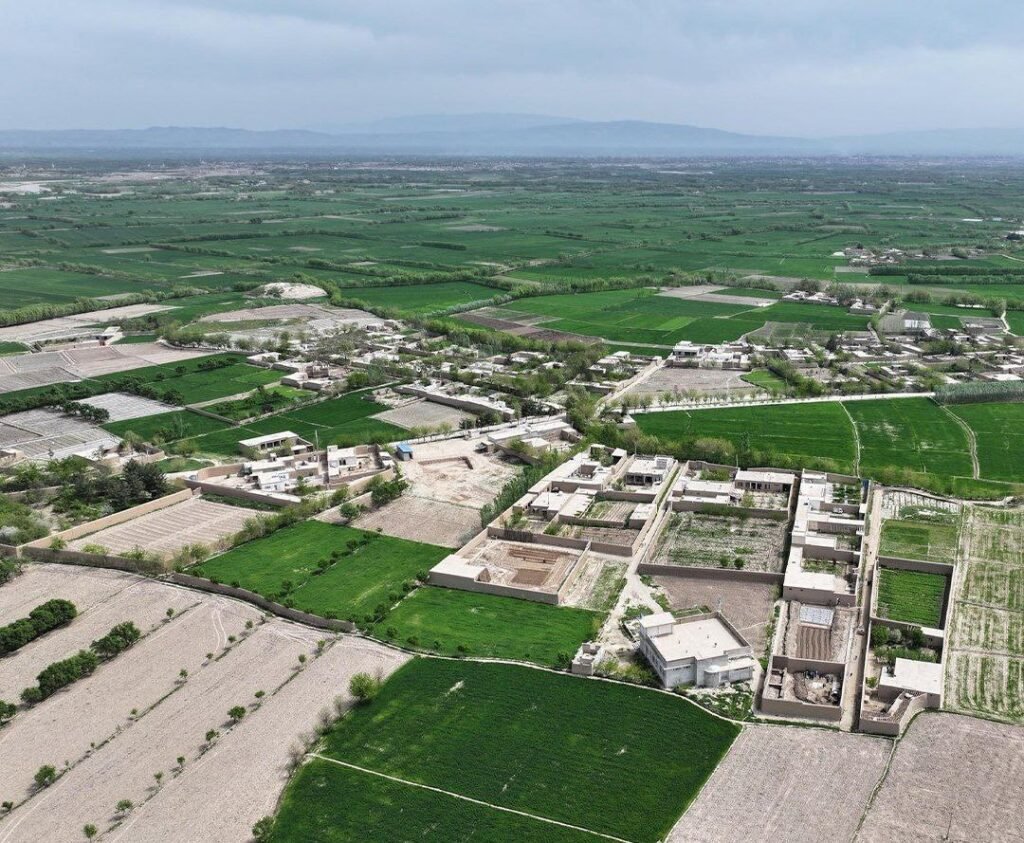
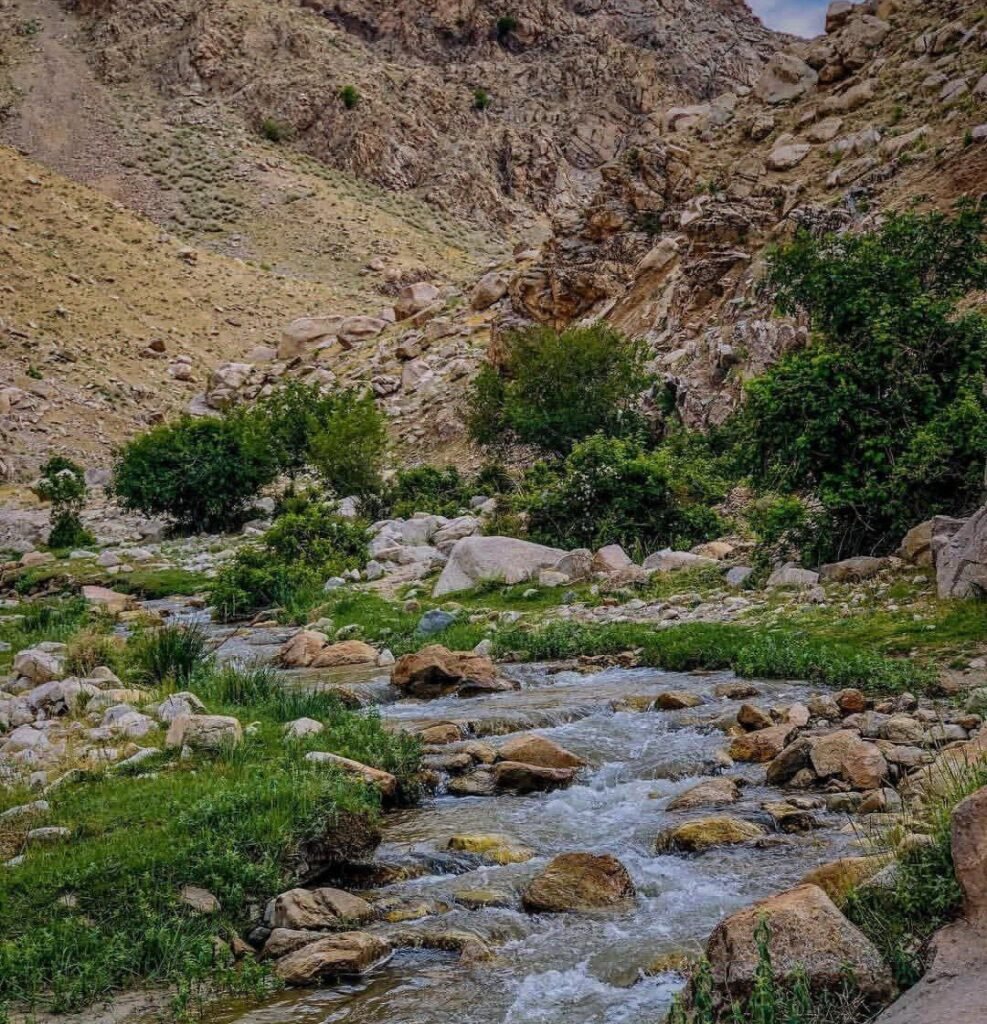
Injil District, Herat: Strategic Location and Regional Importance Injil District in Herat Province is one of Afghanistan’s important and historic districts. Due to its unique geographical location, it holds a special place in the region. Bordered by Guzara District to the south and Krook District to the north, Injil serves as a key connection point between Herat city and surrounding areas. Its strategic position has made it an essential hub for road communications and commercial exchanges. The Herat-Kabul Highway and Its Impact on the Local Economy One of the most significant features of Injil District is the main Herat-Kabul highway passing through its center. This vital route not only facilitates inter-city and inter-district transportation but also plays a crucial role in the development of the local economy. The strategic connectivity provided by this highway has boosted commercial activities in Injil and increased job opportunities for local residents. Moreover, it links Injil to other parts of Afghanistan and larger markets, benefiting regional economic growth. Natural Landscapes and Diverse Geography of Injil Injil District boasts a remarkable variety of natural landscapes. It is a combination of fertile agricultural lands and vast arid deserts, each with its own distinct beauty and features. The Khwaja Amri plain is one of the breathtaking sights in the district, attracting both tourists and locals with its natural scenery and diverse vegetation. This geographical diversity not only enhances the area’s natural charm but also provides valuable opportunities for agriculture and other economic activities. Agriculture and Economic Activities The economy of Injil District largely depends on agriculture, which plays a vital role in the livelihood of its people. Farmers cultivate a variety of crops, including wheat, barley, and different fruits, supplying a significant portion of the region’s food needs. In addition to agriculture, the district’s proximity to Herat city offers farmers better trading and marketing opportunities, allowing them to increase their income by accessing larger markets. Local Government Efforts for Development and Security In recent years, the local government of Injil District has focused strongly on infrastructure development and improving security. Various initiatives have been undertaken to enhance roads, healthcare facilities, and other essential services, aiming to improve the living standards of residents. These efforts have contributed to greater regional stability and created favorable conditions for sustainable growth. Improved security has also played a key role in attracting investment and boosting economic activities. Education Development and Opportunities for Youth Education is another major focus of development in Injil District. Several educational institutions operate within the district, with schools and small colleges providing valuable learning opportunities for youth and students. These institutions contribute significantly to the cultural and social advancement of the area and empower the younger generation through quality education. With its strategic location, diverse natural environment, dynamic economy, and committed governance, Injil District stands as a key and vital area within Herat Province. Benefiting from important transportation routes and diverse economic opportunities, Injil plays a major role in regional development and connecting Herat city to other parts of Afghanistan. Continued efforts in infrastructure, security, and education promise a bright future for the district, enhancing the quality of life and overall welfare of its people.
Obeh District
Editor's Choise, Most Read, Popular Articles, Popular Topics, Recent News, Recent Topics, Special Reports, Top New, Uncategorized, Weekly Contents, Weekly Posts

Obeh District: A Historical and Cultural Gem in Eastern Herat

Geographical Location Obeh District is one of the oldest regions of Herat Province, located 69 kilometers east of the provincial capital. Covering an area of 2,240 square kilometers, the district center lies at an elevation of 1,275 meters above sea level. Boundaries: Historical Background and Etymology According to historical accounts, Obeh is among the first settlements established after Fushanj (Pushang) and before the present-day city of Herat. One narrative tells of a group of peasants from the Dioband region who fled oppression and settled in Obeh, where they built a scenic and flourishing town. Another legend attributes the district’s development to the era of Alexander the Great (circa 330 BCE), during which Obeh was restored due to its fertile land and pleasant climate. When Alexander inquired about the land from one of his courtiers, the man responded, “This is better than that,” or in Persian, “او به است” (Ou beh ast). The phrase eventually became the district’s name: Obeh. Population, Language, and Religion Demographics and Social Structure Obeh has an approximate population of 150,000 people, residing in over 250 official and unofficial villages. The society is predominantly rural and traditional, with many families living in extended, multigenerational households. Social relations are deeply rooted in kinship, respect for elders, and community cooperation in agricultural work, construction, and religious ceremonies. The people of Obeh are known for their hospitality, humility, and strong adherence to cultural customs. Language The primary language in Obeh is Dari Persian, spoken with a distinct, melodious local accent rich in classical Persian vocabulary. This dialect gives the speech a poetic and rhythmic quality, preserving many ancient Persian terms no longer common elsewhere. In some areas, particularly near the Badghis border or due to interethnic marriages, a minority also speaks Pashto. Religion The vast majority of Obeh residents follow the Hanafi Sunni school of Islam. Religious life is central to daily activities, with mosques and shrines playing a key role in community life and moral education. Historically, the district was also home to religious minorities: Cultural and Linguistic Diversity Despite being largely Persian-speaking and Sunni Muslim, Obeh’s cultural landscape is shaped by historical coexistence with various ethnic and religious groups, fostering a tradition of tolerance and cultural richness. Climate Obeh experiences diverse seasonal weather: Natural Features and Agriculture Obeh is divided into northern and southern parts by two rivers: the Kigan River and the Harirod River. Most agricultural lands are irrigated by the Harirod, contributing to Obeh’s status as one of the greenest districts in Herat. Land Statistics: Main Crops and Livelihoods Approximately 85% of the population are engaged in farming and animal husbandry, while 15% are involved in local trades and small businesses. Primary agricultural products include:

Pashdan Dam
Editor's Choise, Most Read, Popular Articles, Popular Topics, Recent News, Recent Topics, Special Reports, Top New, Uncategorized, Weekly Contents, Weekly Posts

Pashdan Dam: A Rising Jewel of Tourism in Herat Province

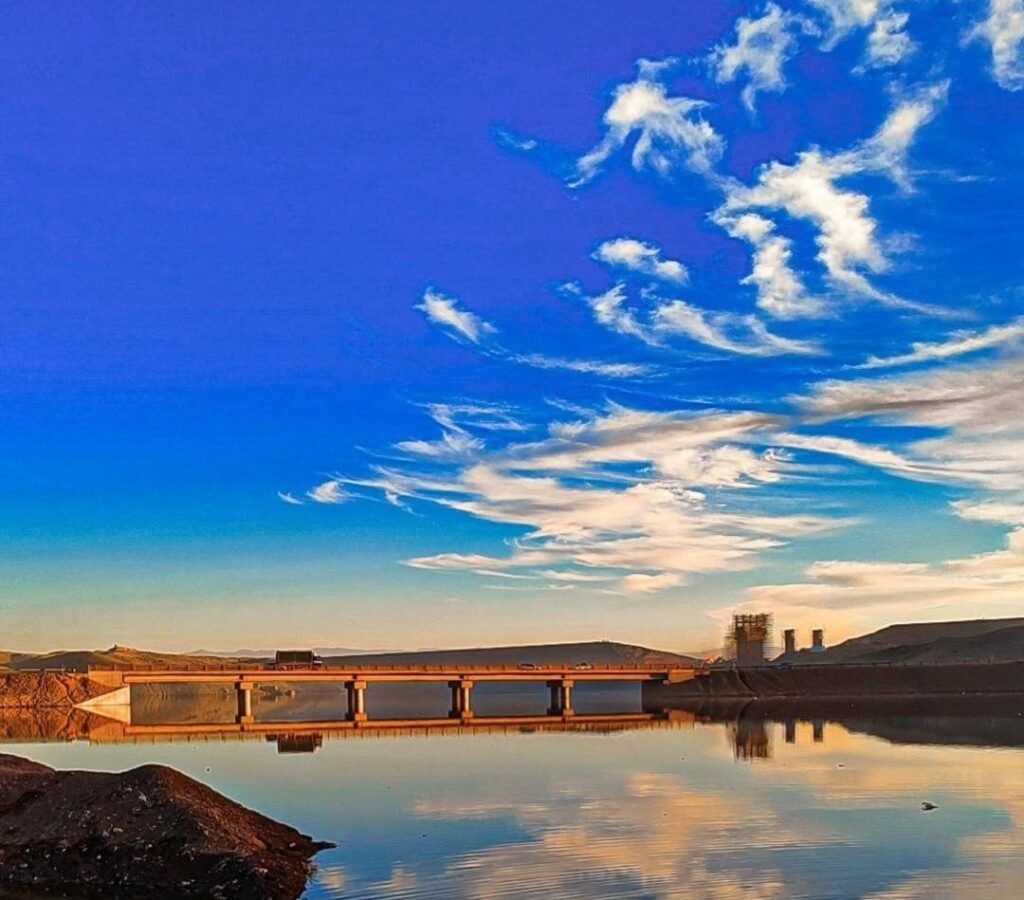
A Newly Discovered Gem in the Heart of Afghanistan’s Nature Nestled around 20 kilometers west of the historic city of Herat lies Pashdan Dam, a newly emerging tourist attraction in Afghanistan. Originally developed as a water management project, it has quickly gained popularity as a natural retreat for local residents and tourists alike. With breathtaking landscapes, clean air, and the harmonious blend of mountains and water, the dam has become a favorite escape for nature lovers. Escape the Noise – Embrace Peace and Serenity A visit to Pashdan Dam means stepping into a world of calm, far from the noise of everyday life. As you travel westward from Herat city, you’ll notice the skies opening up, the air growing fresher, and the scenery becoming more captivating. Especially in spring and summer, the vibrant mix of blue water and green hills leaves a lasting impression on every visitor. Activities for Every Taste Pashdan Dam isn’t just for sightseeing — it offers a variety of recreational opportunities for families, friends, and solo travelers: A Shared Responsibility: Respecting Nature Despite its beauty, Pashdan Dam requires care and protection. Visitors are encouraged to bring trash bags, avoid littering, and help promote a culture of clean tourism. Many families actively remind others to take their waste with them and keep the area tidy. This dam is not only a tourist spot; it’s a natural heritage that belongs to all Afghans and must be preserved for future generations. Voices from the Community During holidays, Pashdan Dam welcomes hundreds of visitors. One visitor shared: “We came here with friends and family to celebrate Eid al-Adha. It’s a wonderful place. We grilled kebabs, sang songs, and enjoyed our time together.” Local vendors also express their happiness about increased tourism: “We sell around 15 types of ice cream, and the dam has really helped our small business grow. Pashdan has brought us income and new opportunities.” More Than Just a Water Project Pashdan Dam is more than an engineering structure — it is a symbol of joy, unity, and nature’s gift to the people of Herat. Economically, the dam provides local jobs and boosts small businesses such as food stalls, boat rentals, handmade crafts, and tour services. Travel Tips for Visitors Planning a visit to Pashdan Dam? Here are a few tips to make your trip enjoyable: A Gift of Nature for the People of Herat In conclusion, Pashdan Dam stands out as a natural wonder with stunning beauty, social vibrance, and recreational facilities. If you’re searching for peace, breathtaking views, and unforgettable moments, Pashdan Dam is your next destination.

gift
Editor's Choise, Most Read, Popular Articles, Popular Topics, Recent News, Recent Topics, Special Reports, Top New, Weekly Contents, Weekly Posts

Gift Ideas for the Bride and Groom | Traditional Takht Jamaee in Herat

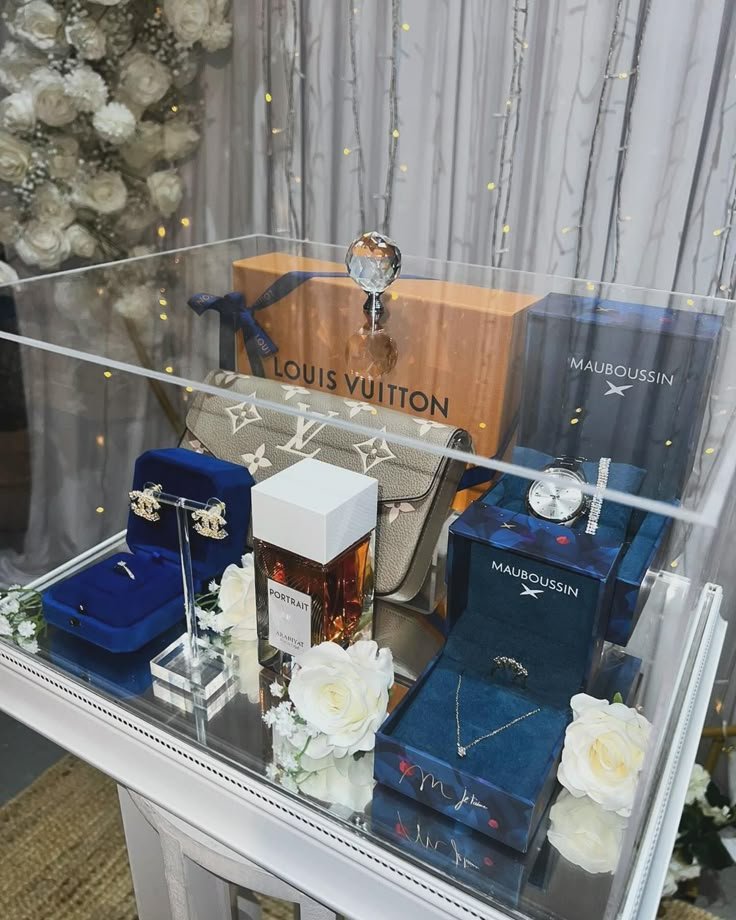
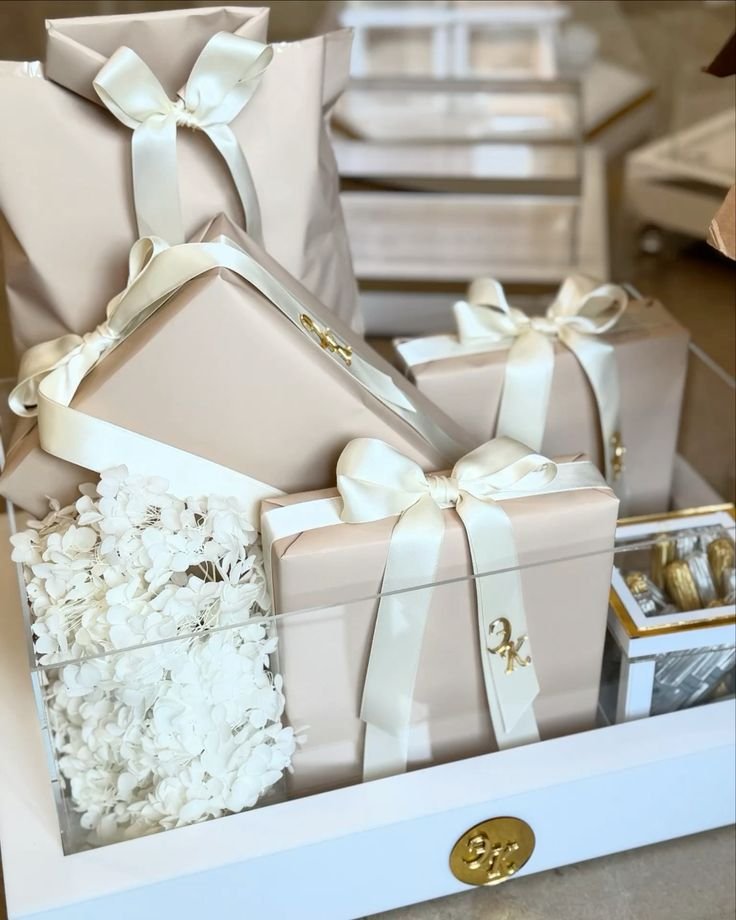
Gift for the Bride and Groom Takht Jamaee is a traditional post-wedding ceremony celebrated in Herat, Afghanistan, where family and friends visit the couple’s new home. Guests bring gifts to congratulate the newlyweds and help them begin their married life. This beautiful tradition not only strengthens family ties but also provides practical support to the bride and groom as they start building their future together. Important Tips Before Choosing a Gift Before selecting a gift, consider the following: Cash Gifts: A Simple Yet Thoughtful Option Cash gifts are a popular and respectful choice in Takht Jamaee. Many guests—especially older relatives or those living far away—prefer to give money in an elegant envelope or decorated card. Cash allows the couple to buy what they truly need or save for larger expenses like rent, furniture, or future plans. Some families even collect money in groups and give a joint gift. This option is flexible and appreciated, especially when presented with care and a heartfelt message. Household Items: Practical and Appreciated Many guests choose to give household items to help the couple furnish their home. These gifts can range from basic kitchen supplies to larger appliances, depending on the giver’s relationship with the couple. Common household gifts include: Close relatives—like parents, siblings, or uncles/aunts—often take responsibility for more essential or expensive items such as a refrigerator, washing machine, or sofa set. Jewelry and Gold: Gifts of Value and Emotion Gold and jewelry are considered among the most honorable and cherished gifts, especially from the bride or groom’s close family. These gifts carry deep emotional value and are seen as symbols of love, protection, and prosperity. Popular choices include: Jewelry is usually given in a beautiful box, accompanied by a warm card or personal blessing. It is a memorable and lasting gesture that the bride often keeps for life. Other Creative Gift Ideas For those who prefer more personal or creative options, here are a few thoughtful ideas: Final Thought Takht Jamaee is more than a gift-giving tradition—it’s a celebration of unity, support, and new beginnings. Whether your gift is small or grand, what matters most is the love and good wishes behind it. A well-chosen gift reflects your care and brings joy to the couple as they begin their shared journey.

Editor's Choise, Most Read, Popular Articles, Popular Topics, Recent News, Recent Topics, Special Reports, Top New, Uncategorized, Weekly Contents, Weekly Posts

Complete List of Bride’s Jahaz in Herat

The Cultural Meaning of Jahaz in Herat Among the deep-rooted traditions of the people of Herat, the bride’s Jahaz holds a special and meaningful place. This tradition not only symbolizes the bride’s readiness to begin married life, but also reflects the love, support, and backing of her family. In Herat, preparing the Jahaz is done with great care and attention. The bride’s family, especially her mother, thoughtfully selects and prepares the items needed for the new life. From clothing and personal items to kitchen appliances, everything is arranged neatly and respectfully to ensure the couple’s new beginning is full of blessings and joy. These items, beyond their material use, are a symbol of compassion, preparation, self-respect, and the family’s support for the bride’s future life. What is Jahaz and Why is it Important? Jahaz refers to a collection of personal and household items that the bride takes to her new home on the wedding night or during the public display event known as Takht Jamai. These items not only serve practical purposes for the couple but also represent the effort and commitment of the bride’s family. In some cultures, Jahaz is considered the “foundation for the daughter’s new life,” and it is held in high regard. Complete Categorized List of Bride’s Jahaz: Clothing and Personal Items Formal and Party Dresses: Homewear: Seasonal Clothing: Shoes and Footwear: Beauty and Hygiene Items Bedroom Items Living Room and Guest Items Kitchenware Non-electric Items: Electrical Appliances: The Role of Jahaz in Herat Family Culture In Herat, the bride’s Jahaz is displayed in a public event called Takht Jamai. Guests (close relatives and friends) view the items, appreciate the efforts of the bride’s mother, and usually present gifts such as kitchenware, household items, or cash. This tradition is not only beautiful but also boosts the morale of the bride’s family. Final Words The bride’s Jahaz is not just a collection of material goods, but a symbol of love, care, and readiness for a new life. In this beautiful cultural tradition, the respect for the daughter, the mother’s effort, and family unity are deeply visible. By simplifying this tradition and focusing on its core meaning—love and kindness—we can reduce financial pressure and make the start of married life more enjoyable. Ultimately, while the Jahaz tradition in Herat is rooted in ancient beliefs, its scale and style depend on the family’s financial ability, taste, and values. Some families prepare many items, while others, even with limited resources, carry out the tradition with love and respect. More important than the quantity of items is the pure intention, love, and support that families provide for the couple starting their life together.

Editor's Choise, Most Read, Popular Articles, Popular Topics, Recent News, Recent Topics, Special Reports, Weekly Contents, Weekly Posts

Takht Jamai Gathering

Takht Jamai Gathering: The Final Wedding Ritual in Herat’s Family Traditions In the rich and authentic culture of the people of Herat, wedding celebrations go far beyond the reception night. One of the most heartfelt and intimate traditions is the “Takht Jamai” gathering—a ceremony typically held the day after the wedding, in a warm and family-oriented setting. It marks the final stage of the wedding festivities. Hosted by the Bride’s Family The Takht Jamai gathering is usually organized by the bride’s family and plays a significant role in strengthening ties between the two families. It is a gesture of respect and goodwill from the bride’s side toward the groom’s family and their close friends—symbolizing the continuation of friendship and unity following the formal union of the couple. Guest List and Atmosphere This intimate event typically includes 40 to 50 of the closest relatives and friends from both sides. Held at the bride’s home, the gathering offers a cozy and heartfelt atmosphere far removed from the grandeur of the wedding night. Warm Conversations, Dancing, and Hospitality Unlike the noise and glamour of the wedding hall, Takht Jamai is about closeness, joy, and simplicity. Guests chat warmly, laugh, dance, and share memories of the wedding night. The hosts warmly serve fresh tea, homemade cookies, dried fruits like raisins, almonds, and pistachios, as well as seasonal fresh fruits. This modest yet respectful hospitality reflects the deep-rooted tradition of honoring guests in Herat’s culture. The Bride’s Entrance and Symbolic Rituals A touching moment of the gathering is when the bride enters, usually accompanied by her mother, sister, or sometimes a female relative from the groom’s side. As she walks in, guests respectfully quiet down. A close relative, typically the mother or sister of the bride, places sweets and a green shawl on her head—a symbolic act wishing blessings, a peaceful life, prosperity, and happiness for the newlywed. Showcasing the Dowry: A Mother’s Pride A key part of the ceremony is the presentation of the bride’s dowry (Jahaz)—a collection of household items and personal belongings lovingly prepared by the bride’s mother. In some families, this includes over forty different sets of clothing, symbolizing the family’s care and readiness to support the bride’s new life. Guests observe the items with admiration, appreciating the effort and dedication of the bride’s family. Gifts and “New Home” Offerings After the dowry presentation, guests offer gifts to the bride, such as glassware, kitchen tools, decorative items, or cash. This tradition, often called “Tuhfa-e-Khana-e-Naw” (new home gift), represents support, encouragement, and well-wishes for the couple’s new journey. A Meaningful Close to the Wedding Celebrations Though humble in its form, the Takht Jamai gathering is one of the most cherished traditions in Herat’s wedding customs. It contrasts the exuberance of the wedding night with peace, respect, and genuine connection. Through this gathering, families not only deepen their bonds, but also reinforce love, respect, and intergenerational unity—a beautiful end to the wedding journey and a meaningful beginning to married life.

wedding pic
Editor's Choise, Most Read, Popular Articles, Popular Topics, Recent News, Recent Topics, Special Reports, Top New, Weekly Contents, Weekly Posts

Wedding Celebration in Herat

Wedding Celebration in Herat: A Glimpse into Tradition and Joy A wedding in the historic city of Herat is one of the most magnificent and vibrant ceremonies rooted in the region’s rich and authentic culture. This joyful occasion usually takes place after the Islamic marriage contract (Nikah), the engagement, and the Henna Night ceremony, often with short intervals between each stage. The wedding celebration not only marks the official beginning of a couple’s life together, but also serves as a heartfelt gathering of families, a tribute to traditional values, and a demonstration of love and unity between two households. This colorful and fragrant event is filled with lively music, traditional dances like the national Attan, colorful cultural outfits, and unique rituals. A Herati wedding is not just a celebration—it’s a symbol of the people’s cultural identity, where joy, unity, authenticity, and reverence for tradition come together. Preparations Before the Wedding Weeks before the big day, both families begin planning every detail of the ceremony. Choosing the bridal gown, the venue, beauty salons, music, and food are among the most important concerns. The bride, accompanied by her family, visits the market to buy her white wedding dress, shoes, jewelry, and cosmetics. Meanwhile, the groom typically chooses a formal suit—often black or navy blue—to shine on the big day. The Wedding Day On the wedding day, from early morning, family members of the bride and groom head to beauty salons to get ready and dress in their finest formal wear. Everyone aims to look their most elegant and radiant. Dressed in colorful traditional or modern outfits and with smiles on their faces, families enthusiastically prepare for the joyous day ahead. Decorating the Groom’s Car One of the delightful and charming parts of the ceremony is decorating the groom’s car. His family takes the car to a florist, where it’s adorned with fresh and artificial flowers, ribbons, and colorful fabrics. The decorated car becomes a symbol of happiness and the start of a new life. Arrival at the Venue After getting ready, the groom arrives in the decorated car to pick up the bride from the salon. Their grand entrance into the wedding hall is usually accompanied by traditional music, such as the famous “Aahesta Boro” (Walk Slowly), or other joyful tunes. Guests cheerfully welcome the bride and groom. The couple takes their place on the stage and shares their first romantic dance to a song of their choice—an unforgettable moment captured by clapping guests, cameras, and phones. Knife Dance and Cake Cutting A unique and entertaining custom in Herati weddings is the Knife Dance. Typically performed by the groom’s or bride’s sister, this playful dance involves holding the cake-cutting knife while dancing to old melodies—often by singer Javid Sharif—before handing it over in exchange for a symbolic amount of money from the groom. Afterward, the bride and groom cut the cake together, offer it to each other, and sip sweet fruit juice as a symbol of joy and shared life. Music and Dancing As the night continues, lively Herati songs fill the hall with energy. Favorites like “Emshab Shabek-e Aroosi-e Baradar Jan Ast” and the national Attan are performed with group dances by men and women. Everyone—elders, youth, children, and even the elderly—joins in the celebration with heartfelt smiles. Hospitality and Refreshments Guest hospitality is carried out with precision and tradition. First, tea with sweets or chocolate and cake is served, followed by seasonal fruits (usually three kinds), and finally a warm meal in shared platters—often featuring Qabuli Pulao, Mantu, kebab, or a special stew prepared by the venue. Post-Wedding Street Parade After the ceremony, the newlyweds are accompanied by friends and close relatives for a celebratory night drive through the city. The groom’s flower-adorned car leads the procession, followed by others honking, playing music, and lighting up the streets with joy. The night ends at the groom’s home, where the celebration continues with fireworks, music, dancing, and light refreshments. Final Thoughts A wedding in Herat is far more than just a party—it’s a vibrant expression of cultural heritage and identity. From shopping for clothes to the knife dance and late-night parade, every moment is infused with love, tradition, and respect. Families strive to preserve these customs, passing them on to future generations to keep their cultural roots alive.

Editor's Choise, Most Read, Popular Articles, Popular Topics, Recent News, Recent Topics, Special Reports, Top New, Uncategorized, Weekly Contents, Weekly Posts

Henna Night Ceremony in Herat

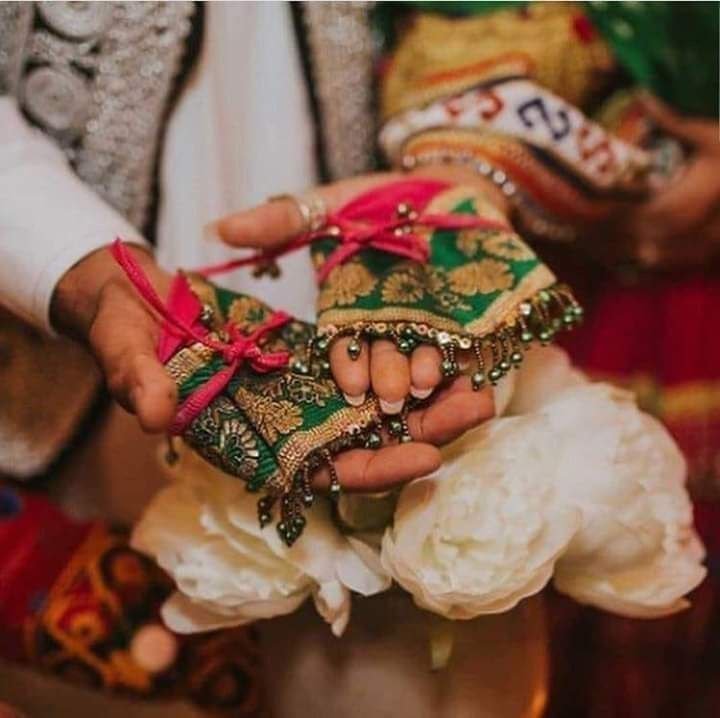
Henna Night Ceremony Henna Night (Mahfel-e-Hanabandan) is one of the most traditional and beautiful customs celebrated in the historic city of Herat, held on the night before the wedding. This ceremony is not only a prelude to the wedding celebration but also a warm gathering of families and relatives, offering a chance to express joy, empathy, and support for the couple beginning their married life. Cultural Importance In Herat’s culture, after the religious marriage contract (Nikah) and engagement, a series of joyful events begins—one of the most significant and memorable being the Henna Night. Usually held one or two nights before the wedding, the event is marked with grandeur. It symbolizes the start of a new life, blessings from families, and a tribute to the deep-rooted traditions of Herat. Timing of the Ceremony Henna Night typically takes place on the eve of the wedding. It holds a special place in the hearts of families, who strive to organize it in the best way possible. It may be hosted at the bride’s home or a wedding hall, often accompanied by music and dance. Colorful Traditional Attire On this night, women and girls wear colorful Afghan dresses adorned with beautiful khamak embroidery and handmade traditional jewelry that reflects the rich cultural identity of Herat. Men also dress in traditional attire, especially shirts with khamak embroidery. The bride wears a stunning traditional outfit, accessorized with jewelry, flowers, and special henna-night makeup. Her smile, tinged with a bit of shyness, enhances her beauty even more. Special Rituals of Henna Night One of the key traditions is the groom’s family arriving at the bride’s home accompanied by the sound of daira, dumbak, and sweet folk couplets. As they escort the bride, a cloth is held over the bride and groom’s heads, inside which are a sugar loaf, salt, and a clay pot called saya. Breaking the pot and sprinkling salt symbolizes blessings, protection from the evil eye, and the beginning of a prosperous life. Bread and Shawl – Symbols of Sustenance and Purity In another part of the ceremony, the bride’s father ties a loaf of bread wrapped in a green cloth around her waist. This bread symbolizes sustenance and abundance—sending the daughter off with prayers and provisions. A white shawl is also placed on her head, symbolizing purity and honor, preparing her for married life. The Beautiful Henna Ritual The highlight of the event is the henna application. Seven unmarried girls, with intentions of happiness and harmony, place henna on the bride and groom’s palms. The bride then closes her hands and holds them to her forehead, where the groom places a gold coin—symbolizing respect, affection, and commitment. Gifts and Congratulations Close relatives of the groom—such as his mother, sister, aunt, or maternal aunt—present the bride with gifts like cash, fabric, clothes, or jewelry. These presents reflect love, acceptance, and support from the groom’s family. Dance, Attan, and Celebration After the henna ritual, the celebration continues with traditional music, Attan dance, poetic recitations, and youthful enthusiasm. The atmosphere is filled with laughter, joy, photography, and unforgettable moments. Hospitality and Joyful Ending Guests are treated to traditional and delicious Afghan dishes such as Qabuli Palaw, Mantu, Kebab, Borani, and local drinks. The night ends with blessings, smiles, and lasting memories. Final Thoughts Henna Night is not just a ritual—it’s a vital part of Herat’s cultural identity. It blends love, family, tradition, and authenticity, passed down through generations and still celebrated with passion and pride. Families strive to keep these traditions alive, believing that true happiness lies in preserving cultural roots.

Editor's Choise, Most Read, Popular Articles, Popular Topics, Recent News, Recent Topics, Special Reports, Top New, Weekly Contents, Weekly Posts

The Engagement Traditions of Herat: A Review of Local Customs

Engagement Traditions in Herat In Herat province, Afghanistan, it is customary during engagement for the bride and groom to present each other with special gift packages called khonchas, which typically include clothing and certain foods. These ceremonies are carried out depending on the mutual agreement and financial capacity of both families. Nowruz Ceremony About one or two weeks before Nowruz (Persian New Year), the bride and groom—or the bride accompanied by the groom’s mother or sister—go shopping for the bride’s Nowruz outfit. The Nowruz khoncha usually contains clothing, cosmetics, a handbag, shoes, seasonal fruits, and a dish known as Haft Mewa (seven dried fruits). Additionally, the bride’s family also buys clothing for the groom. These ceremonies are celebrated in Herat with great joy and enthusiasm. Families invite their close friends, decorate the gift packages, take them to the bride’s home, where they are warmly received, and the occasion often ends with dancing and celebration. Ramadan Ceremony The Ramadan ceremony is quite similar to the Nowruz one. The bride is taken shopping to buy things according to her personal taste. This event is often combined with Eid al-Fitr (the festival that marks the end of Ramadan). A key distinction in the Ramadan ceremony is that the groom’s family also prepares food—such as Qabeli, Mantu, kebabs, and other delicious dishes. Unlike Nowruz, the Ramadan khoncha does not include Haft Mewa. Instead, items like cream, cheese, jam, and other foods are brought for the iftar (evening meal). For Eid, both dried and fresh fruits are also included. Sometimes this ceremony is held at the beginning of Ramadan, and other times toward the end. Eid al-Adha (Qurbaanee) Ceremony During Eid al-Adha, similar to Eid al-Fitr, the bride is presented with a khoncha that includes clothing and dried fruits. Additionally, a sheep or another animal is brought to her home as a sacrificial offering. Yalda Ceremony In the winter season or on Yalda Night (the longest night of the year), people in Herat follow the tradition of preparing warm winter clothes for the bride and groom, a custom referred to as Yaldai. Along with the clothing khoncha, watermelon, pomegranates, and dried winter fruits are also brought to the bride’s home. Additional Notes In all these ceremonies, the bride’s family also prepares a set of clothes for the groom. Sometimes the ceremonies are celebrated with extended family and close friends, while other times, they are held just between the two families. These traditions are usually observed in the first year of engagement and depend on the financial ability and mutual agreement of the families. Sometimes the full khonchas are not prepared; instead, the bride and groom simply go shopping together for clothes. Nevertheless, the people of Herat cherish these customs and strive to keep them alive—whether in small or grand ways—as a way of preserving their cultural heritage.

Engagement Ceremony
Editor's Choise, Most Read, Popular Articles, Popular Topics, Recent News, Recent Topics, Special Reports, Top New, Weekly Contents, Weekly Posts

Engagement Ceremony in Herat

Engagement Ceremony in Herat: A Tradition of Joy, Celebration, and Family Bonds In the rich and ancient culture of the people of Herat, wedding ceremonies hold a special place, with each stage marked by its own customs and traditions. One of the most important and memorable parts of this process is the Engagement Ceremony (Shirini-Khori), held after the marriage contract, symbolizing joy, unity, and the beginning of a new life for the young couple. Timing and Style of the Engagement Ceremony In Herat, the timing and manner of holding the engagement ceremony vary based on each family’s customs. Some families hold the event right after the marriage contract, anywhere from a week to a month later, to share the joy and celebration of the marriage with their guests. Others prefer to let the Nikah ceremony alone reflect their happiness and skip a separate engagement event. Nowadays, due to cultural and economic changes, many families have more flexibility in choosing when and how to celebrate, based on their financial situation and personal preferences. Venue: Hall or Home – A Choice Based on Taste and Means The engagement ceremony is usually held either in grand wedding halls or more intimately in family homes. In the past, it was commonly hosted at the bride’s father’s house. However, today, depending on the agreement between both families, sometimes the groom’s family or both sides share the expenses, and the venue varies. Hosting the event at home offers a warmer, more intimate atmosphere, where guests gather in a cozy, friendly setting. In contrast, wedding halls provide elegant decorations and modern amenities, making the event more formal and lavish. Colorful Dresses of the Bride and the Groom’s Attire One of the highlights of this ceremony is the beautiful attire of the bride and groom. Unlike the Nikah ceremony, where the bride typically wears a white dress, in the engagement ceremony she wears colorful and cheerful dresses—such as blush pink, soft lilac, light blue, or pale green—symbolizing freshness and joy. These dresses are often adorned with delicate decorations, flowers, and traditional jewelry. The groom usually wears a formal suit or, in some cases, traditional Afghan clothing that reflects cultural pride and heritage. This contrast in attire adds a unique charm to the celebration. Customs and Rituals During the Ceremony The ceremony begins with the entrance of the bride and groom, accompanied by soft romantic music to set a loving and elegant mood. Then the couple dances to a song of their choice—this joyful moment becomes a sweet and memorable scene for all guests. After the dance, the ceremonial cake is cut, and the couple lovingly feeds each other fruit juice, symbolizing the sweet beginning of their shared life. Hospitality and a Colorful Banquet Hospitality plays a key role in Herat’s engagement ceremonies, with a rich and colorful spread for guests. Typical dishes include: These treats, along with assorted sweets and chocolates, are served throughout the event to show appreciation and respect to the guests. Exchange of Gifts and Presents A beautiful tradition in this ceremony is the giving of gifts by the groom’s family to the bride. These gifts may include jewelry, clothes, cash, or traditional items that symbolize love and the bride’s welcome into the groom’s family. Guests also bring gifts for the newlyweds, creating precious keepsakes that will forever remind them of this sweet day. Festivities with Dance and Celebration Throughout the event, families, friends, and loved ones create a joyful and lively atmosphere. Traditional dances, energetic music (live or recorded), and collective celebrations bring excitement and togetherness, making the ceremony a truly festive gathering. Flower-Adorned Car Ride: A Memorable Moment After the ceremony, the newlywed couple takes a ride through the city in beautifully decorated cars covered in flowers. This symbolizes the official start of their shared life and their introduction as a couple to society. After the ride, they return home to begin their married life. Cultural and Social Significance of the Engagement Ceremony The engagement ceremony is more than just a celebration. It is an opportunity to: In Herat, this event is celebrated with full enthusiasm, reflecting the beauty of tradition, family affection, and collective joy.

Scroll to Top