wikiarya.com

Saba Sahar
Editor's Choise, Most Read, Popular Articles, Popular Topics, Recent News, Recent Topics, Special Reports, Top New, Uncategorized, Weekly Contents, Weekly Posts

Saba Sahar: The Voice of Afghan Women in Cinema

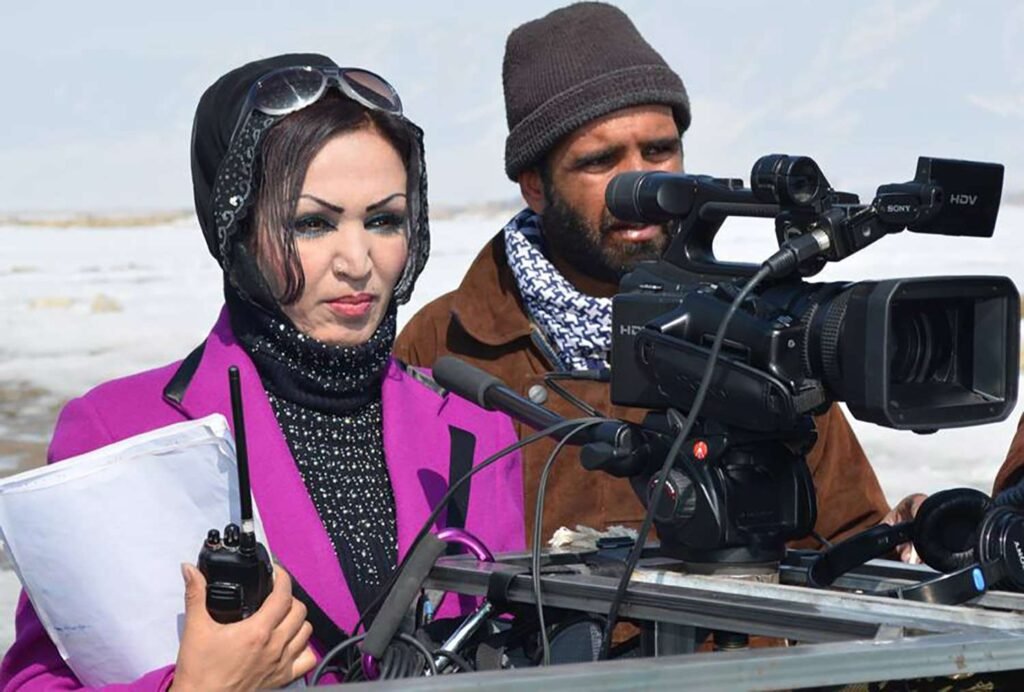
Saba Sahar Saba Sahar was born in the 1980s in Afghanistan, during a period of political instability and social unrest. She grew up in a traditional Afghan family that valued education, but like many girls of her generation, she faced significant restrictions due to cultural norms and the Taliban’s policies that limited women’s participation in public life. From a young age, Saba displayed a strong interest in storytelling, acting, and visual arts. Despite limited access to formal arts education, she pursued her passion independently, reading books on cinema, studying scripts, and practicing acting at home. Her early exposure to Afghan culture, poetry, and traditional storytelling deeply influenced her artistic vision. After completing her basic education, she sought opportunities to formally train in media and filmmaking. Saba Sahar’s determination and courage allowed her to overcome societal and political barriers, eventually becoming one of Afghanistan’s first professional female filmmakers following the fall of the Taliban. Career Achievements Impact and Legacy Saba Sahar’s journey is a story of courage, resilience, and vision. She has transformed Afghan cinema by highlighting women’s struggles, rights, and achievements.Her influence extends beyond the screen: she has empowered countless Afghan women to pursue careers in the arts, become storytellers, and challenge societal norms. Saba Sahar is more than a filmmaker; she is a trailblazer, mentor, and advocate for Afghan women, proving that art can be a powerful tool for social change and empowerment. Challenges and Social Obstacles Despite her talent and dedication, Saba Sahar has faced numerous challenges throughout her career. During the Taliban regime, women were barred from cultural and artistic activities, making it almost impossible for women to enter cinema. Even after the fall of the Taliban, she encountered: Through determination, courage, and creativity, Saba Sahar overcame these obstacles, proving that art and cinema can challenge societal barriers and inspire change.

Fereshteh Forough
Editor's Choise, Most Read, Popular Articles, Popular Topics, Recent News, Recent Topics, Top New, Uncategorized, Weekly Contents, Weekly Posts

Fereshteh Forough: Coding the Future of Afghan Girls

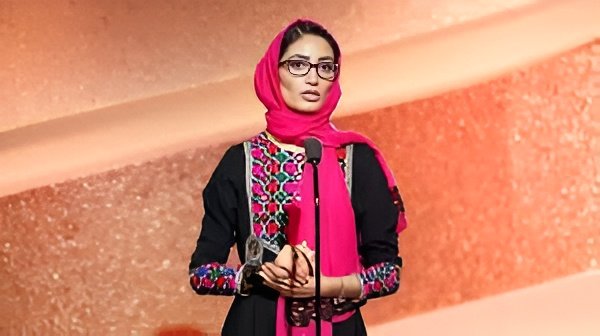
Fereshteh Forough: Inspiring Hope and Empowering Afghan Girls Through Technology Amid challenges and obstacles, a generation of creative and determined women has emerged in Afghanistan, proving that no limitation can stop willpower and talent. Fereshteh Forough is one of the most prominent of these figures — a woman whose knowledge, creativity, and forward-looking vision opened a new and inspiring path for Afghan girls. She demonstrated that technology and education can be powerful tools to empower women, and that every girl can play an active role in society and shape her country’s future through learning digital skills and programming. By providing real opportunities for education, financial independence, and self-confidence, Fereshteh Forough illuminated a path of hope and paved the way for development, innovation, and active participation of women in scientific and technological fields. This path proves that even in difficult circumstances, hope, courage, and knowledge can build a bright and promising future. Education and Early Life of Fereshteh Forough Fereshteh Forough was born in the 1360 Afghan Solar Hijri year (1985 CE) into an Afghan family. Her childhood was marked by migration and living under difficult conditions in Iran, where many Afghan refugees were denied the right to education and employment. Despite these challenges, she was passionate about learning, reading, and personal growth from an early age. Obstacles could not extinguish her thirst for knowledge. After returning to Afghanistan with her family, Fereshteh entered Herat University and pursued a degree in Computer Science. Her strong grasp of mathematics and her interest in technology prepared her for the digital world. After completing her studies in Afghanistan, she earned her Master’s degree from Technische Universität Berlin (Technical University of Berlin). Instead of choosing easier paths abroad, she decided to return to Afghanistan to share her knowledge with young girls. She understood that Afghan women faced numerous barriers to entering the technology field, from cultural pressures to limited educational opportunities. Code to Inspire: Empowering Afghan Girls Through Programming In 2015, Fereshteh Forough founded Code to Inspire in Herat — the first programming school dedicated exclusively to girls in Afghanistan. The institute was established to teach digital skills such as programming, web design, application development, and cybersecurity. Its mission was not only to provide girls with tools to access jobs and financial independence but also to challenge societal perceptions of women’s roles. In a society where girls’ education had long been restricted, Code to Inspire offered them the courage to break traditional barriers and enter what was once considered a male-dominated field. The school enabled Afghan girls to develop critical thinking and creativity in a digital environment. Each student begins with a simple computer but progresses to a world of opportunities and innovation. They learn to turn ideas into reality by writing code, designing websites and applications, and protecting projects with cybersecurity skills. However, the impact of Code to Inspire goes beyond technical education. The institute created a safe, supportive, and inspiring environment that boosted girls’ confidence and helped them recognize that: “A woman’s place is not only at home; she belongs in offices, tech teams, international projects, and at the forefront of national progress.” Through its programs, many graduates have not only achieved financial independence but have become role models for future generations. Girls who once lived in silence and fear now write code, design, innovate, and build a brighter future for Afghanistan. The institute demonstrated that technology can be the most powerful weapon against inequality. Each young programmer emerges not only to secure her own career but also to change society’s perception of women, advocate for the right to education, and contribute to a more prosperous nation. Fereshteh Forough believed that if Afghan girls had access to modern education, they could shape their destiny. She aimed to create a safe space where girls could learn programming, graphic design, app development, and cybersecurity without fear of judgment or discrimination. Many graduates now work remotely for international companies, earning an independent income for themselves and their families — a remarkable achievement in a country where women are often barred from public participation. Advocating for Women’s Education and Participation Fereshteh Forough strongly believes that education and technology are the most powerful tools against ignorance and discrimination. She has repeatedly said: “If we want a prosperous society, we must give women the opportunity to learn, create, and lead.” After the Taliban regained control in Afghanistan, many girls’ schools and educational centers were closed. However, Fereshteh Forough did not give up. She launched online and remote learning programs to ensure that the light of education remained on for her students. This action demonstrates her conviction that knowledge cannot be imprisoned, even when physical barriers exist between teacher and student. Global Recognition and Achievements Fereshteh Forough’s efforts have gained international recognition. She has spoken at conferences and global forums such as TED Talks, the United Nations, and various women in technology events. She has received numerous awards and recognitions from reputable organizations and media outlets, including being listed among the 100 Most Influential Women by the BBC and featured in Forbes and TIME. Yet, she considers her greatest reward to be “seeing the smiles and progress of my students.” Philosophy and Message Fereshteh Forough believes that education not only opens doors to the future but also fosters dignity and self-confidence. She has inspired thousands of Afghan girls who once thought their place was only at home to now write code in global companies and turn their dreams into reality. She says: “When you give an Afghan girl an opportunity, she doesn’t just change her own life; she changes the future of her community.” Fereshteh Forough stands as a shining example of a woman who, through knowledge, determination, and love for her country, has redefined the meaning of empowerment. She proved that change begins with education and that technology can be a ladder toward freedom, independence, and progress. Today, she is not only a tech educator but a symbol of hope for a new generation of Afghan women —

Types of Coffee Drinks and Their Delicious Ingredients
Editor's Choise, Most Read, Popular Articles, Popular Topics, Recent News, Recent Topics, Special Reports, Top New, Uncategorized, Weekly Contents, Weekly Posts

Types of Coffee Drinks and Their Delicious Ingredients

Types of Coffee Drinks and Their Delicious Ingredients Coffee is not just a beverage; it’s an experience, an aroma, and a journey through the cultures of the world. Every cup of coffee tells its own story, and each type, with its special combination of coffee, milk, chocolate, and ice, offers a unique experience. Today, let’s explore the fascinating world of coffee and get to know the ingredients and flavors of each type. Espresso: The Heart of Coffee If we want to start from the beginning, we cannot ignore espresso. Espresso is a strong, aromatic coffee brewed by forcing hot water through finely ground coffee. This short but powerful drink is the base of many popular coffees like cappuccino and latte. A small shot of espresso can boost your energy and refresh your day. Ingredients: Turkish Coffee: Tradition and Aroma of the Middle East Turkish coffee is one of the oldest methods of preparing coffee in the world. It is made by boiling very finely ground coffee with cold or hot water in a small coffee pot called a “cezve,” with a thick foam indicating its quality. Turkish coffee has a rich and deep flavor, and a little sugar can create a delightful balance. Ingredients: Mocha: Chocolate and Coffee Love If you love the combination of chocolate and coffee, mocha is the perfect choice. It combines espresso, hot chocolate, and steamed milk with soft milk foam, offering a sweet and creamy experience. Mocha is perfect for a delightful morning or a cozy evening. Ingredients: Cappuccino: Balance Between Bitterness and Sweetness Cappuccino, with an approximate ratio of one-third espresso, one-third steamed milk, and one-third milk foam, is a balanced and classic drink. The bitterness of coffee combined with the smoothness of milk creates a delightful experience. Often served in the morning with light pastries, it can be topped with cocoa or cinnamon powder. Ingredients: Latte: Softness and Sweetness in Every Sip Latte is similar to cappuccino but with more milk; a shot of espresso with a large amount of steamed milk and a thin layer of milk foam on top. Its mild and creamy flavor makes it a favorite for those who prefer less bitter coffee. Latte art on the milk foam adds beauty and creativity to the drink. Ingredients: Americano: Simple and Classic Americano is made by diluting espresso with hot water, offering a lighter flavor similar to regular brewed coffee. If you want a drink with the aroma of espresso but not too bitter, Americano is a great choice. Ingredients: Macchiato and Flat White: Special Coffee Styles Cold Drinks: Frappe and Iced Latte Ristretto and Affogato: Intense and Unique Experiences Mochaccino: Chocolatey and Creamy Similar to mocha but with more milk foam and a creamier flavor. Perfect for those who love sweet and chocolatey drinks. Ingredients: Choosing Your Coffee The world of coffee is full of variety, and each type offers a unique experience. If you prefer strong and bitter flavors, espresso, Turkish coffee, and ristretto are ideal. If you enjoy sweet and creamy tastes, try mocha, latte, and mochaccino. Cold drinks like frappe and iced latte are perfect for summer and hot days. Coffee is not just a beverage; it’s a delightful cultural experience that tells a new story with every cup. Next time you drink coffee, take a moment to savor the taste, aroma, and the story behind each type.

Cultural Influences in Modern Society: Balancing Tradition and Change
Editor's Choise, Most Read, Popular Articles, Popular Topics, Recent News, Recent Topics, Special Reports, Top New, Uncategorized, Weekly Contents, Weekly Posts

Cultural Influences in Modern Society: Balancing Tradition and Change

The Intersection of Tradition and Modernity In today’s fast-paced world, traditional culture often meets modern lifestyles. Ancient customs, beliefs, and practices shape how communities live, even in the face of globalization and technological advancements. Understanding the influence of traditional culture on modern society helps preserve identity while embracing progress. The Role of Traditional Culture in Daily Life Traditional culture manifests in many aspects of everyday life: Challenges of Preserving Cultural Identity in the Modern World Modernization and globalization bring both opportunities and challenges: Strategies for Balancing Tradition and Modern Life Benefits of Preserving Cultural Identity Maintaining traditional culture in modern society provides numerous advantages: Conclusion: Embracing Modernity While Honoring Tradition The influence of traditional culture in modern life is undeniable. While globalization and modern technologies create challenges, they also provide opportunities to share and celebrate cultural heritage. By consciously preserving customs, arts, and values, societies can achieve a balance between tradition and change, ensuring that cultural identity remains strong for future generations.

Historical Stories and Local Heroes
Editor's Choise, Most Read, Popular Articles, Popular Topics, Recent News, Recent Topics, Special Reports, Top New, Uncategorized, Weekly Contents, Weekly Posts

Historical Stories and Local Heroes: A Legacy for the Present

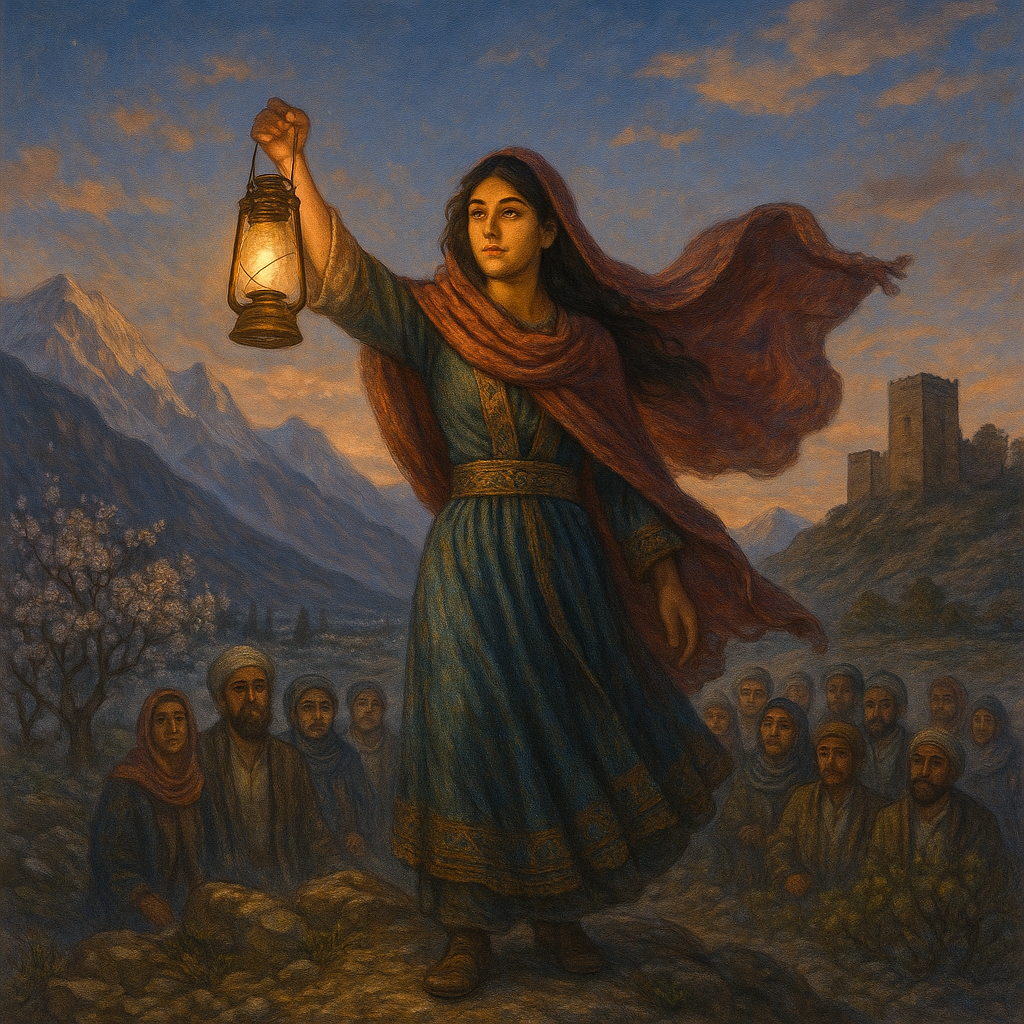
Historical Stories and Local Heroes Every society needs to revisit its past in order to understand its roots and identity. Historical stories and tales of local heroes are not only an essential part of cultural heritage but also a source of inspiration for future generations. Whether in the form of oral traditions or written records, these stories play a vital role in transmitting values, strengthening collective identity, and fostering national pride. Historical Narratives: A Bridge Between Past and Present In many cultures, historical stories were passed down through bedtime tales, storytelling in teahouses, or local folk songs. Beyond entertainment, these narratives carried moral, social, and even political messages. In Afghanistan and our wider region, a rich oral history exists, transmitted from generation to generation through grandmothers, local poets, and community storytellers. Local Heroes: Symbols of Courage and Resistance Local heroes are often individuals who stood up for justice, freedom, or the well-being of their communities in difficult times. Sometimes they are real historical figures; other times they are represented as mythical or legendary characters. Cultural and Social Role of These Stories Historical stories and local heroes are not merely remnants of the past but guiding lights for the future. They remind us how communities have resisted hardships and upheld values such as freedom, justice, and courage. Preserving and retelling these narratives not only keeps our cultural heritage alive but also connects new generations with hope, resilience, and a sense of national identity. Sample Story: “Malalai of Maiwand” In Afghan history, one of the most notable local heroes is Malalai of Maiwand. She was a young woman from Kandahar who played a crucial role in the Battle of Maiwand (1880) between Afghan forces and the British army. When the morale of Afghan soldiers was low and many were retreating, Malalai courageously took up the flag and recited a heroic poem that inspired the fighters to return to battle. Her bravery reinvigorated the troops, and the Afghan forces continued fighting until victory was achieved. Since then, Malalai has become a symbol of courage and resilience, inspiring generations to stand against oppression.

Editor's Choise, Most Read, Popular Articles, Popular Topics, Recent News, Recent Topics, Special Reports, Top New, Uncategorized, Weekly Contents, Weekly Posts

Agricultural Traditions and Seasonal Festivals

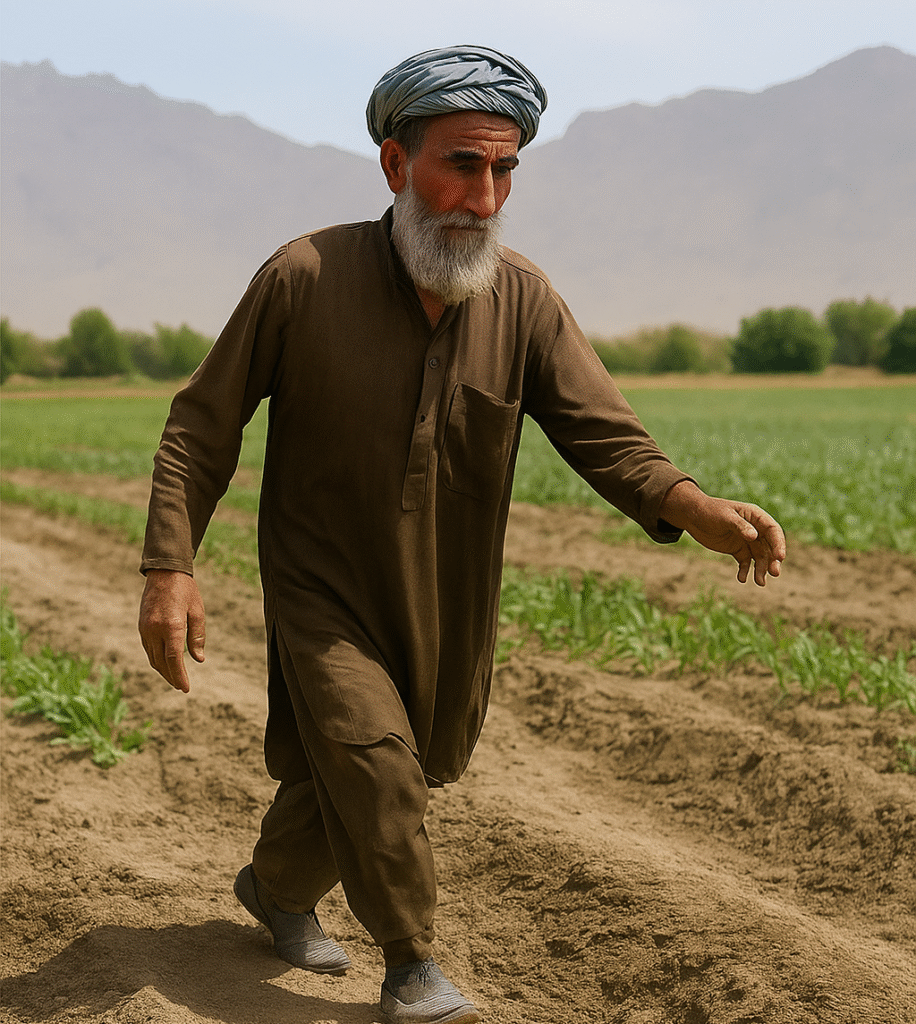
Agricultural Traditions and Seasonal Festivals Agriculture has long been not only an economic activity but also an inseparable part of people’s social and cultural lives. Every stage of planting and harvesting was accompanied by special rituals and ceremonies that gradually turned into agricultural traditions. Alongside these traditions, seasonal festivals emerged, creating a connection between farmers’ hard work and collective joy. This article explores the roots, significance, and role of agricultural traditions and seasonal festivals in the past and present. Agricultural Traditions in Local Culture Historical Roots of Traditional Agriculture In many regions, agriculture was practiced with unique customs and rituals. Before the planting season began, farmers would hold prayer ceremonies to seek rain and fertility from nature. Farming tools, the land, and even seeds were considered sacred. The Role of Collective Work in Agricultural Traditions A key aspect of traditional farming was cooperation. Neighbors helped each other with planting, irrigation, and harvesting. Over time, these acts of collaboration turned into social and cultural customs. Seasonal Festivals: Celebrating Joy After Hard Work Spring Festival: A New Beginning With the arrival of spring and the sowing of new seeds, people welcomed the farming year with local music, traditional foods, and symbolic ceremonies. Harvest Festival The most important agricultural celebration was the harvest festival. After months of hard work, farmers gathered their crops and celebrated their success with thanksgiving, festivities, and dancing. This event often included sharing food, performing folk dances, and reciting poetry. Autumn and Winter Festivals In autumn and winter, besides storing produce, people held thanksgiving celebrations and special ceremonies for harvesting fruits and grains. Social and Cultural Importance of Agricultural Festivals Agricultural Traditions and Seasonal Festivals in the Modern World Despite the introduction of modern farming technologies, many of these rituals still survive. Today, agricultural festivals not only preserve cultural values but also serve as tourist attractions, drawing visitors to rural areas each year. These events also provide opportunities to boost local economies and promote traditional handicrafts and foods. Agricultural traditions and seasonal festivals are not only reflections of humanity’s deep connection with nature but also cultural heritage that must be preserved for future generations. These customs symbolize hard work, cooperation, and collective joy, and they continue to inspire social and cultural life today.

Legends and Folk Tales of Herat
Editor's Choise, Most Read, Popular Articles, Popular Topics, Recent News, Recent Topics, Special Reports, Top New, Uncategorized, Weekly Contents, Weekly Posts

Legends and Folk Tales of Herat

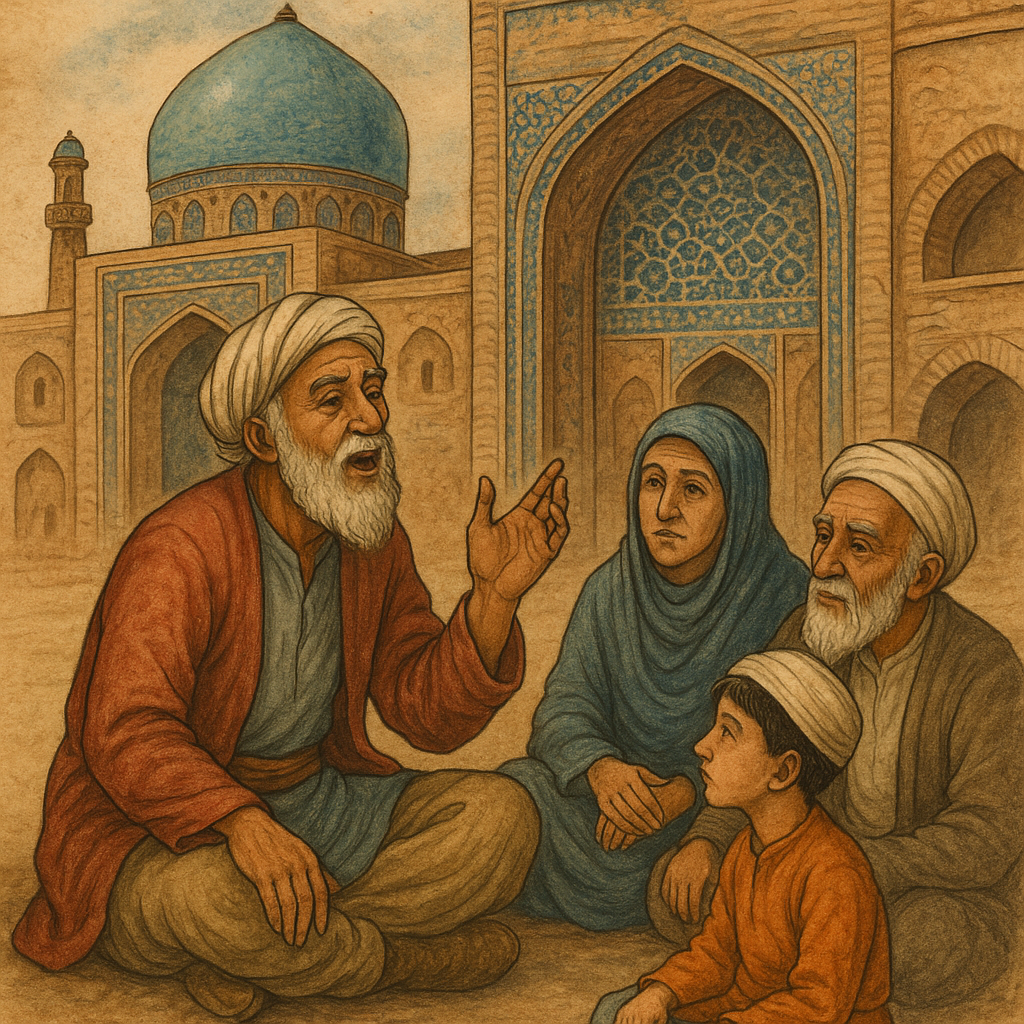
1. Legends and Folk Tales of Herat Herat, one of the oldest centers of civilization in the region, in addition to its rich history and stunning architecture, holds a treasure trove of oral culture. The legends and folk tales that the people of this city have inherited from past generations were not only meant for entertainment but also conveyed moral, social, and religious lessons. These stories were heard during evening gatherings, family circles, coffeehouses, and even in people’s daily activities. Each tale and legend reflects the beliefs, aspirations, and fears of the people, which makes them particularly valuable. 2. Definition of Legend and Tale Legend: A story that mainly has roots in imagination and fantasy. Legends usually feature characters such as demons, fairies, dragons, magical creatures, or extraordinary places. While legends primarily aim to entertain and spark the audience’s imagination, they also carry instructive messages beneath their fantastical exterior. Tale: In contrast, a tale relies more on reality. Its characters are ordinary humans, such as a wise elder, a simple farmer, an orphaned child, or a poor merchant. Tales often include moral lessons or religious teachings and are inspired by the real-life experiences of people. 3. Difference Between Legend and Tale Imagination vs. Reality: Legends are full of imaginary creatures and unreal events, whereas tales are generally closer to real life. Heroes: In a legend, a hero might fight a dragon or a demon, while in a tale, the hero is an ordinary person who overcomes challenges through faith, intellect, or effort. Purpose: Legends primarily stimulate imagination, while tales convey social and moral messages. Setting and Time: Legends do not usually specify a precise location or time (e.g., “Once upon a time…”), but tales are typically set in familiar neighborhoods or villages known to the people. 4. A Famous Legend in Herat: The Legend of Takht Safdin It is said that in ancient times, there was a king in Herat named Safdin. In the beginning, he was a just and kind man. Whenever the people had a complaint or a right was violated, they would go to Safdin’s court. The king would listen carefully and grant justice to the rightful person. Safdin sat on a throne believed to be magical. It was said that this throne had come from the heavens, and its power depended on the king acting justly. Years passed, and Safdin gradually became attached to power and wealth. He stopped listening to the people’s complaints, gathered the tyrants and flatterers around him, and ignored the rights of the weak. Taxes grew heavier, and he even showed no mercy to the poor. The elders of the city repeatedly warned him:— “O King! Do not forget justice; your throne is bound to fairness.”But Safdin proudly replied:— “This throne is mine; no one can take me from it.” One early morning, as he sat on the throne with great splendor, the ground suddenly shook. A strange sound arose. The throne began to tremble. Before the astonished eyes of the people, the throne’s legs split, and a dark mouth opened beneath Safdin’s feet. The king shouted:— “Forgive me! I will be just again!”But it was too late. The throne swallowed him, and Safdin disappeared forever. From that day on, people say: “Takht Safdin swallows the unjust,” and this legend continues to live in Herat as a reminder that tyranny and injustice do not last. 5. A Famous Tale in Herat: The Tale of the Old Saddle-Maker In the old streets of Herat, there lived a poor but kind-hearted man whose trade was making saddles. He stitched saddles for donkeys and mules and earned a simple living from this work. Everyone respectfully called him the Old Saddle-Maker. Despite his poverty, the old man had a heart full of faith and peace. Whenever people were sad, they visited his small shop. With a smile and a few simple words, he would comfort them. One midnight, while he was busy sewing a saddle, the door suddenly opened. A wealthy man entered and placed a bag full of gold and silver on the floor. He said:— “O elder! All this wealth is yours, with only one condition: from tomorrow, abandon your prayers and do not mention God again.” The Old Saddle-Maker glanced at the bag of gold. He paused for a moment, then calmly said:— “O man! Your gold and silver are as fleeting as a shadow. The peace and faith that God has given me are worth more than a thousand treasure chests of gold.” The wealthy man suddenly became furious; his eyes turned red, and everyone realized that he was Satan himself. Satan tried to frighten the old man, but the elder raised his hands to the sky and recited a prayer. The shop filled with light, and Satan vanished into darkness. From that day onward, people told the tale of the Old Saddle-Maker to their children to teach them that true purity and faith are worth more than any wealth. Final Words The legends and folk tales of Herat are not merely entertaining stories; they are mirrors of the beliefs, aspirations, and values of the people. Legends, with their fantasy and wonder, and tales, with their closeness to real life, together create a living culture. This oral heritage must be documented and preserved so that future generations can benefit from it. Key Takeaways:
https://wikiarya.com/the-cultural-heritage-of-calligraphy-in-herat/
Editor's Choise, Most Read, Popular Articles, Recent News, Recent Topics, Special Reports, Uncategorized, Weekly Contents, Weekly Posts

The Cultural Heritage of Calligraphy in Herat

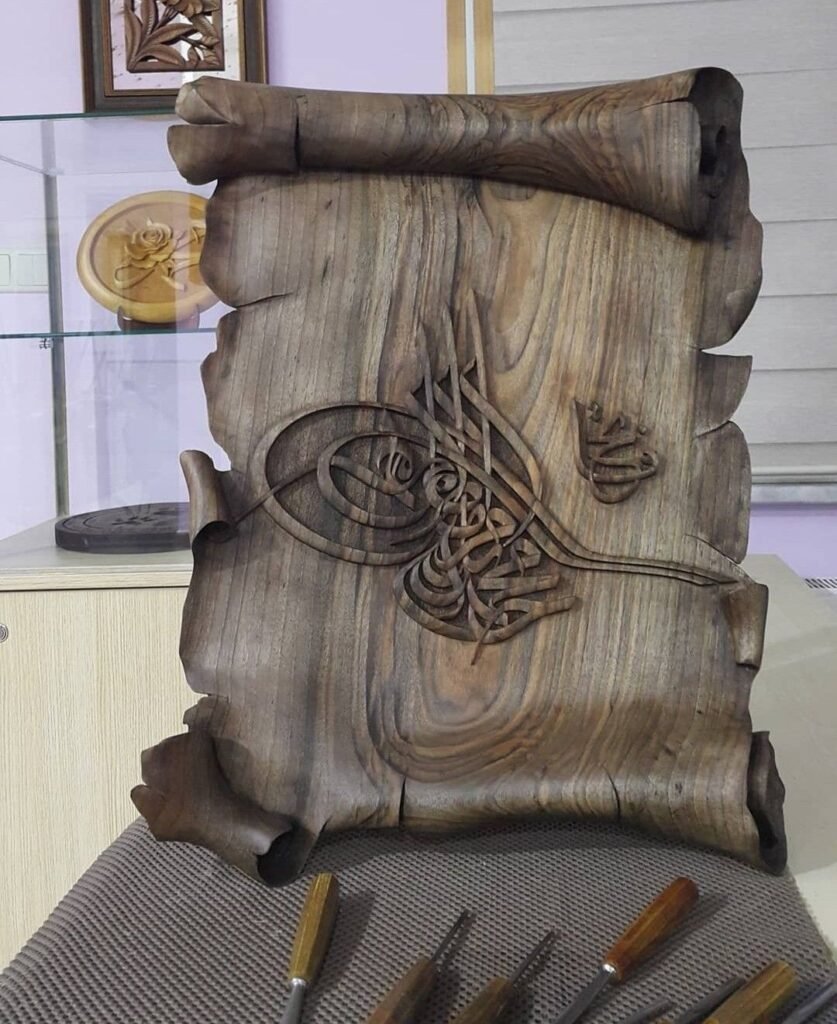
The Cultural Heritage of Calligraphy Herat, a city with a rich history, is often referred to as the jewel of Khorasan and has long stood out as a key hub for Islamic culture and the arts. Among its many artistic traditions, calligraphy holds a special place. This art is not only a reflection of visual beauty but also a deep connection between Islamic culture, mysticism, and Persian literature. Historical Background of Calligraphy in Herat The tradition of calligraphy in Herat began during the Timurid era of the 15th century. During this period, Herat became a major hub for literature, architecture, and Islamic art. Renowned masters such as Mir Ali Heravi and Sultan Ali Mashhadi emerged from the Herat school, establishing a tradition that later inspired calligraphers in Iran, India, and Central Asia. Popular Styles of Calligraphy in Herat Throughout history, Herat’s calligraphers mastered different scripts. The most notable ones include: Cultural Significance of Calligraphy in Herat In Herat, calligraphy went beyond being a simple form of art; it embodied the people’s cultural and spiritual identity. Many historic mosques, schools, and mausoleums are decorated with elegant inscriptions. This practice was used not only to convey religious Contemporary Calligraphy in Herat Today, Herat remains home to masters and artists who keep the tradition of calligraphy alive. Workshops and exhibitions provide opportunities to introduce this valuable art to younger generations. Many young Heratis now combine traditional calligraphy with digital design, creating innovative works that bridge the past and present. Importance of Education and Preservation One important factor in preserving Herat’s calligraphy is the passing of expertise from teachers to their students over generations. Establishing courses and educational centers today can play a vital role in reviving this art and passing it on to future generations. Conclusion The art of calligraphy in Herat is a legacy that has remained vibrant from ancient times to the present. It is not only a symbol of beauty and creativity but also a reflection of the cultural and historical identity of the people of Herat. By focusing on education, supporting artists, and promoting this art internationally, Herat’s calligraphy can continue to flourish for generations to come.

Almas Sharq Herat
Editor's Choise, Most Read, Popular Articles, Popular Topics, Recent News, Recent Topics, Special Reports, Uncategorized, Weekly Contents, Weekly Posts

Almas Sharq Herat: The Heart of Local Trade and Shopping

Almas Sharq Market – Herat Almas Sharq Market in Herat is one of the main shopping and commercial centers in the eastern part of the city. It combines the traditional architecture and local heritage of Herat with modern facilities and up-to-date stores. For over a decade, this market has been recognized as an economic and social hub of the eastern city, playing an important role in the daily lives of its residents. Almas Sharq Market is not only significant for everyday shopping of essential goods such as clothing, bags, shoes, and electronics, but also serves as a popular destination for tourists and international visitors due to its variety of stores and local products. Visitors can experience traditional shopping with the opportunity to bargain while also enjoying modern shops featuring domestic and international brands. Culturally, Almas Sharq Market acts as an active social and cultural center. Local people gather here, exchange advice about products, and participate in short cultural events and handicraft exhibitions. This combination of shopping, social interaction, and cultural experience makes Almas Sharq Market a key location in Herat that fulfills not only economic needs but also the social and cultural needs of its citizens. Shops and Products Almas Sharq Market in Herat hosts over 1,000 diverse shops, offering a wide range of products and services. This large number of stores allows visitors to find all their daily and commercial needs in one place. Key features of shops and products at Almas Sharq Market include: This extensive variety makes the market a complete destination for shopping, gifts, and even urban tourism, providing a unique shopping experience for residents and visitors alike. Many shops also feature modern retail spaces with professional lighting and attractive displays, making shopping convenient and enjoyable. At the same time, some stores maintain traditional small spaces with local architecture, evoking the authentic Herati shopping experience. Facilities and Entertainment Almas Sharq Market is more than just a shopping location; it offers a variety of facilities and services: Exact Address Almas Sharq Market, Bank Khon Road, Almas Sharq Commercial Complex, Herat, Afghanistan

online universities
Editor's Choise, Most Read, Popular Articles, Popular Topics, Recent News, Recent Topics, Special Reports, Uncategorized, Weekly Contents, Weekly Posts

Online Universities and Learning Platforms for Afghan Girls

This article provides a list of reputable universities and online education platforms that Afghan girls can use to continue their studies online. It includes approximate registration dates and key points for each institution. University of the People (UoPeople) UoPeople is an internationally recognized American university that operates entirely online, offering tuition-free bachelor’s and master’s degree programs—particularly beneficial for Afghan girls. The university uses a distance-learning model, with only minimal fees for processing documents. Programs include Business Administration, Computer Science, and Education. Virtual University of Afghanistan (VUA) The Virtual University of Afghanistan is a national project supported by the Ministry of Higher Education of Afghanistan, providing quality online education for all Afghans, especially women. It offers bachelor’s, master’s, and short courses in Dari and Pashto, taught by both national and international professors. Open University (UK) A prestigious UK-based university that offers distance learning globally. With a flexible structure, it is a great option for Afghan girls who wish to study diverse fields such as Social Sciences, Technology, Languages, and Public Health. English language proficiency is required. edX / Coursera (Academic and Professional Online Courses) edX is an online learning platform founded by top universities such as Harvard and MIT, offering free and paid courses at undergraduate, graduate, and professional certificate levels. Afghan girls can study in fields like Computer Science, Business, Project Management, and Health Sciences, with certificates available. Coursera is one of the world’s largest online learning platforms, partnering with leading universities to offer free and paid courses in various subjects, such as Programming, Interpretation, Economics, and Psychology. Asian e-University (AeU) AeU is a regional university based in Malaysia, offering both online and on-campus programs. It provides bachelor’s, master’s, and doctoral programs in English, with no visa requirement for Afghan students. Kardan University (Online Division) Kardan University is a private and reputable Afghan institution offering online programs in Business Administration, Computer Science, and International Relations for students unable to attend in person. Islamic Online University (IOU) An Islamic-focused online university offering programs in Islamic Studies, Education, Psychology, and Islamic Economics. It is ideal for Afghan girls interested in religious education with an academic perspective. Summary Table University / Platform Degree(s) Registration Dates Language(s) Website University of the People Bachelor’s, Master’s Mid-Jan, May, Sep English uopeople.edu Virtual University of Afghanistan Bachelor’s, Master’s Spring & Fall (annual) Dari, Pashto vu.edu.af Open University (UK) Bachelor’s, Master’s Oct, Feb, Jun English open.ac.uk edX / Coursera Various Always open English, others edx.org / coursera.org Asian e-University Bachelor’s, Master’s, PhD Jan, Jul English aeu.edu.my Kardan University Bachelor’s Spring, Fall Dari, English kardan.edu.af Islamic Online University Bachelor’s, Master’s Jan, Apr, Jul, Oct English, Arabic islamiconlineuniversity.com

Scroll to Top