wikiarya.com

Engagement Ceremony
Editor's Choise, Most Read, Popular Articles, Popular Topics, Recent News, Recent Topics, Special Reports, Top New, Weekly Contents, Weekly Posts

Engagement Ceremony in Herat

Engagement Ceremony in Herat: A Tradition of Joy, Celebration, and Family Bonds In the rich and ancient culture of the people of Herat, wedding ceremonies hold a special place, with each stage marked by its own customs and traditions. One of the most important and memorable parts of this process is the Engagement Ceremony (Shirini-Khori), held after the marriage contract, symbolizing joy, unity, and the beginning of a new life for the young couple. Timing and Style of the Engagement Ceremony In Herat, the timing and manner of holding the engagement ceremony vary based on each family’s customs. Some families hold the event right after the marriage contract, anywhere from a week to a month later, to share the joy and celebration of the marriage with their guests. Others prefer to let the Nikah ceremony alone reflect their happiness and skip a separate engagement event. Nowadays, due to cultural and economic changes, many families have more flexibility in choosing when and how to celebrate, based on their financial situation and personal preferences. Venue: Hall or Home – A Choice Based on Taste and Means The engagement ceremony is usually held either in grand wedding halls or more intimately in family homes. In the past, it was commonly hosted at the bride’s father’s house. However, today, depending on the agreement between both families, sometimes the groom’s family or both sides share the expenses, and the venue varies. Hosting the event at home offers a warmer, more intimate atmosphere, where guests gather in a cozy, friendly setting. In contrast, wedding halls provide elegant decorations and modern amenities, making the event more formal and lavish. Colorful Dresses of the Bride and the Groom’s Attire One of the highlights of this ceremony is the beautiful attire of the bride and groom. Unlike the Nikah ceremony, where the bride typically wears a white dress, in the engagement ceremony she wears colorful and cheerful dresses—such as blush pink, soft lilac, light blue, or pale green—symbolizing freshness and joy. These dresses are often adorned with delicate decorations, flowers, and traditional jewelry. The groom usually wears a formal suit or, in some cases, traditional Afghan clothing that reflects cultural pride and heritage. This contrast in attire adds a unique charm to the celebration. Customs and Rituals During the Ceremony The ceremony begins with the entrance of the bride and groom, accompanied by soft romantic music to set a loving and elegant mood. Then the couple dances to a song of their choice—this joyful moment becomes a sweet and memorable scene for all guests. After the dance, the ceremonial cake is cut, and the couple lovingly feeds each other fruit juice, symbolizing the sweet beginning of their shared life. Hospitality and a Colorful Banquet Hospitality plays a key role in Herat’s engagement ceremonies, with a rich and colorful spread for guests. Typical dishes include: These treats, along with assorted sweets and chocolates, are served throughout the event to show appreciation and respect to the guests. Exchange of Gifts and Presents A beautiful tradition in this ceremony is the giving of gifts by the groom’s family to the bride. These gifts may include jewelry, clothes, cash, or traditional items that symbolize love and the bride’s welcome into the groom’s family. Guests also bring gifts for the newlyweds, creating precious keepsakes that will forever remind them of this sweet day. Festivities with Dance and Celebration Throughout the event, families, friends, and loved ones create a joyful and lively atmosphere. Traditional dances, energetic music (live or recorded), and collective celebrations bring excitement and togetherness, making the ceremony a truly festive gathering. Flower-Adorned Car Ride: A Memorable Moment After the ceremony, the newlywed couple takes a ride through the city in beautifully decorated cars covered in flowers. This symbolizes the official start of their shared life and their introduction as a couple to society. After the ride, they return home to begin their married life. Cultural and Social Significance of the Engagement Ceremony The engagement ceremony is more than just a celebration. It is an opportunity to: In Herat, this event is celebrated with full enthusiasm, reflecting the beauty of tradition, family affection, and collective joy.
Editor's Choise, Most Read, Popular Articles, Popular Topics, Recent News, Recent Topics, Special Reports, Top New, Uncategorized, Weekly Contents, Weekly Posts

Nikah Ceremony in Herat

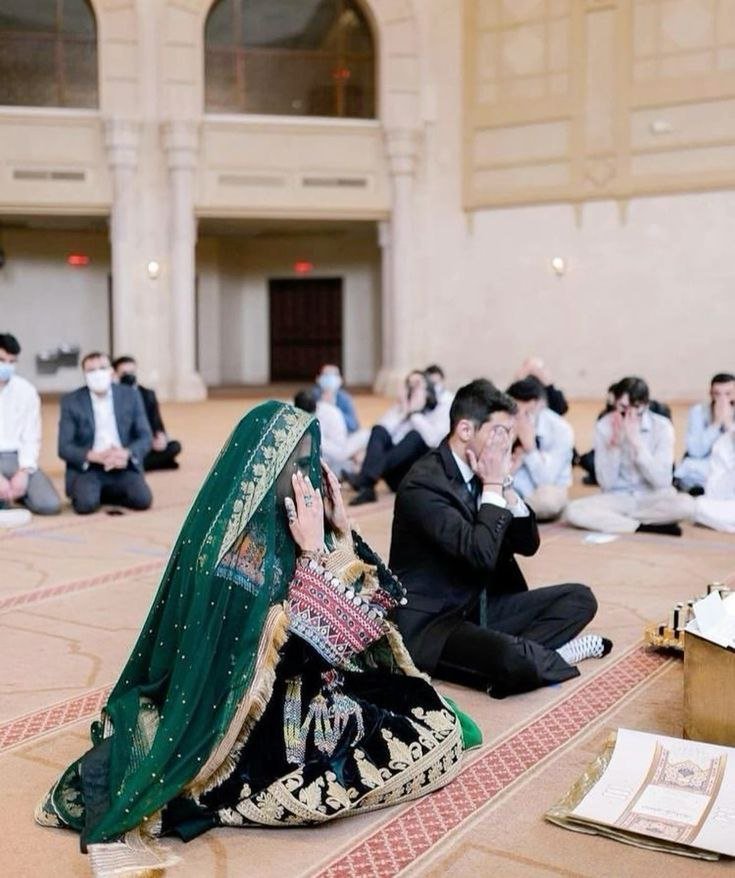
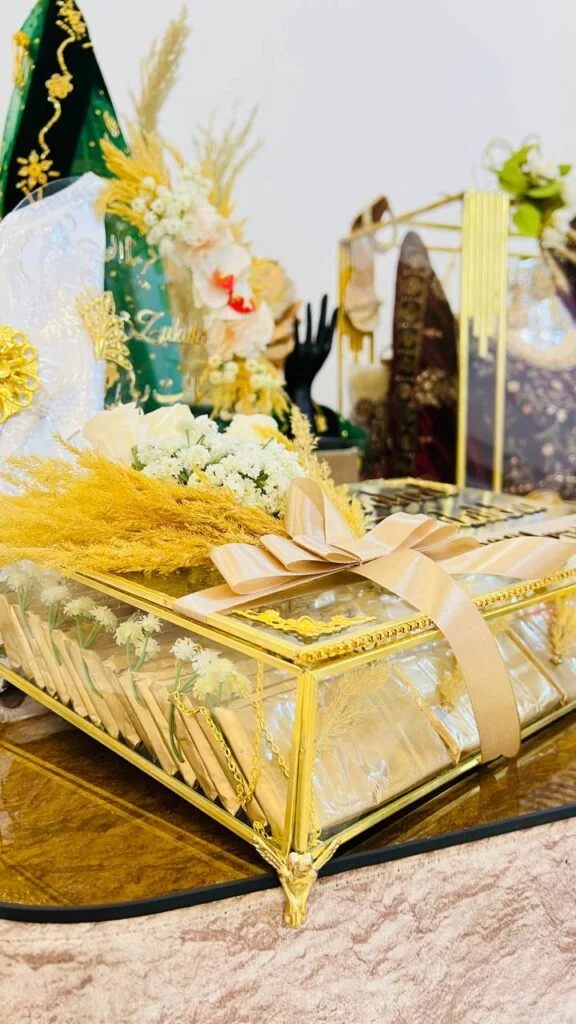
Nikah After the proposal stage and mutual agreement between both families, the Nikah (marriage) process begins. From an Islamic perspective, Nikah is not only a tradition of the Holy Prophet (PBUH), but also a sacred contract that legally and religiously binds a man and a woman to each other. In Herat province, Nikah ceremonies have unique customs influenced by culture, religion, and local traditions. Preparations for the Nikah Ceremony On the night of the Nikah, the groom’s family brings a “khancha” (gift basket), which includes clothing, engagement cloth, gold, beauty items, and other gifts based on financial ability. A special dinner is also prepared for both families. These gifts are then taken to the bride’s house by the groom’s family. In Herat, the bride typically wears green-colored clothes on the Nikah night, symbolizing life, freshness, and growth. The ceremony is usually held in a private setting with only close relatives from both sides, creating a spiritual and peaceful environment. Religious Execution of the Nikah Contract During the Nikah ceremony, Islamic witnesses must be present — either two men or one man and two women. The marriage contract involves the following process: The bride is asked three times: “Did you ask for this and do you accept it?”She must reply:“I asked for it and I accepted it.” Then she is asked: “Who is your representative (Wakil)?”Usually, the bride appoints her father, but if he is not present, it could be her brother, grandfather, or another close male relative. Similarly, the groom is asked: “Did you ask for her and accept her?”He should respond:“I asked for her and I accepted her.” This exchange is known as Ijab and Qabool (offer and acceptance) and forms the foundation of the Islamic marriage contract. Reading of the Nikah Sermon (Khutbah) After Ijab and Qabool, a religious scholar or mullah reads the Nikah Khutbah, which includes Quranic verses, hadiths about marriage, reminders of spousal rights, and prayers. The sermon usually begins with: “Alhamdulillah nahmaduhu wa nasta’eenahu…”and ends with supplications for blessings in the couple’s new life. Symbolic Rituals After the Khutbah Following the sermon, the bride cuts a sprout or greenery, symbolizing a fresh and happy life. The bride and groom exchange rings, kiss the Quran, and look at each other through a mirror, a ritual called “Aina Mosaf” (mirror meeting). They then share cake and sweets, celebrating the beginning of a sweet life together. Joy and Celebration The ceremony continues with traditional songs, dance, and festivities, reflecting love, joy, and unity between the families. Final Words In Herat, the Nikah ceremony is a beautiful blend of ancient customs, religious beliefs, and cultural elegance. It not only establishes a lawful bond between two individuals but also begins a new relationship of respect and friendship between two families. Though times are changing, this sacred tradition remains alive, valuable, and deeply respected.

Editor's Choise, Most Read, Popular Articles, Popular Topics, Recent News, Recent Topics, Special Reports, Top New, Uncategorized, Weekly Contents, Weekly Posts

Marriage Proposal Ceremony in Herat

Marriage Proposal Ceremony The marriage proposal is one of the most important traditional customs in Herati culture. It not only marks the beginning of a shared life between a couple, but also creates a bond between two families. In Herat, this custom involves specific rituals and stages rooted in traditions, beliefs, and social values. While the proposal ceremony may vary slightly in other regions, its core principles remain the same. Stages of Marriage Proposal in Herat 1. Investigation and Choosing the Right Girl In the first step, the boy’s family looks for a suitable bride for their son based on criteria such as family background, morals, religious devotion, modesty, homemaking skills, and sometimes education. This task is usually undertaken by the boy’s mother and sisters. 2. Initial Proposal (Requesting Water) After making a decision, the boy’s family—usually the mother, sister, or other female relatives—goes to the girl’s home unofficially for a “glimpse of the girl.” During this visit, the boy’s mother subtly asks the girl to bring them a glass of water, for example by saying: “Dear girl, could you bring us a glass of water?” In Herati culture, water symbolizes purity and good intentions. If the girl willingly and respectfully brings the water, it is seen as a positive sign that the girl and her family may be open to the proposal. 3. Official Request by the Elders After the initial positive response, the boy’s family visits again—this time accompanied by the father, uncle, or other senior male members—to formally ask the girl’s father or guardian for her hand in marriage. This moment is treated with great formality and respect. 4. Time for Consideration and Familiarization Following this formal request, the girl’s family usually asks for time to think, consult, and get to know the boy’s family better. This period may last weeks or even months before a final response is given. During this time, families may arrange supervised meetings or family visits to foster understanding and familiarity. 5. The Girl’s Acceptance and Final Proposal Ceremony Once the girl and her family decide to accept the proposal and give their consent, a ceremony known as “Final Proposal” or in some areas “The Girl’s Flower” (Gol-e Dokhtar) is held. This ceremony is highly significant and is considered the official confirmation of the engagement. In this ceremony: Cultural and Social Significance of Proposal in Herat The proposal ceremony is not only the start of a marital bond but also represents a social connection between two families—or even two communities. Families seek mutual understanding and familiarity to build a strong foundation for the marriage of their children. Final Words The marriage proposal ceremony in Herat reflects the region’s rich culture, deep respect for family, beautiful traditions, and the value placed on familial relationships. Although some details may evolve over time, the essence of this tradition remains alive and treasured.

Herat
Editor's Choise, Most Read, Popular Articles, Popular Topics, Recent News, Recent Topics, Special Reports, Top New, Uncategorized, Weekly Contents, Weekly Posts

Eid Preparations: Markets Full of Hustle and Bustle

Eid Preparations in Herat In the markets of Herat, vendors are enthusiastically selling dry fruits like almonds, pistachios, raisins, and pumpkin seeds. They say that this year, prices have slightly dropped compared to last year, which has allowed more people to afford their purchases. Some fruits, like raisins and almonds, are available in various types and price ranges to accommodate everyone. Eid al-Adha: A Celebration of Compassion and Togetherness In heartfelt interviews, people express their happiness about Eid and their efforts to prepare a colorful Eid feast. Many families, in addition to purchasing food, are also getting ready for the sacrificial ritual. They wish to perform this Islamic tradition with sincerity and share a portion of the meat with those in need. Peace and Security – A Great Blessing During Eid Days Fortunately, many people express their satisfaction with the improved security situation during Eid al-Adha and extend their gratitude to the authorities, especially the security forces and municipal service departments, for their continuous efforts in creating a peaceful and safe environment. Greetings to Fellow Citizens Inside and Outside the Country Eid al-Adha is a wonderful opportunity to show affection to friends, relatives, and fellow citizens throughout Afghanistan and abroad. Many people use this occasion to send congratulatory messages to their loved ones in Iran, Dubai, China, and other parts of the world, wishing them happiness, good health, and a joyful, love-filled Eid. Conclusion: Eid al-Adha Reflects Herat’s Culture of Kindness In Herat, Eid al-Adha is not just a religious ritual but also a chance to showcase the local culture of hospitality, empathy, and generosity.

Editor's Choise, Most Read, Popular Articles, Popular Topics, Recent News, Recent Topics, Special Reports, Top New, Uncategorized, Weekly Contents, Weekly Posts

Eid al-Adha in Herat: Traditions, Customs, and Community Spirit

The Spiritual Essence of Eid al-Adha Eid al-Adha in Herat is a deeply cultural and spiritual celebration, marked by family gatherings, special prayers, and festive activities. It strengthens community bonds, as families and friends come together to celebrate, reflect, and share. Alongside the religious observances, people take part in rituals such as wearing new clothes, offering sacrifices, and visiting the graves of loved ones. The celebration in Herat blends both spiritual and social aspects, highlighting the values of charity, kindness, and respect for others. The Act of Qurbani: A Symbol of Devotion Following the prayers, families in Herat engage in the ritual of Qurbani, sacrificing animals such as sheep, goats, or cows. This act symbolizes submission to Allah’s will and is carried out with specific guidelines to ensure humane treatment. Culinary Delights and Traditional Dishes Herati cuisine takes center stage during Eid al-Adha, with families preparing an array of traditional dishes. Meals often feature the freshly sacrificed meat, cooked into savory stews and kebabs. Accompanying these are rice dishes, flatbreads, and an assortment of sweets and dried fruits, reflecting the region’s rich culinary heritage. Public Celebrations and Cultural Activities Beyond private gatherings, Herat hosts public celebrations that include cultural performances, poetry recitations, and communal feasts. Parks and recreational areas become hubs of activity, where people of all ages partake in games and entertainment, embodying the communal spirit of Eid. Embracing the Spirit of Giving Many Heratis extend their charitable efforts by distributing food and clothing to those in need, ensuring that the joy of Eid is shared across all segments of society.

Editor's Choise, Most Read, Popular Articles, Popular Topics, Recent News, Recent Topics, Special Reports, Top New, Uncategorized, Weekly Contents, Weekly Posts

Kachri Meat-e-Land: A Culinary and Cultural Symbol of Herat

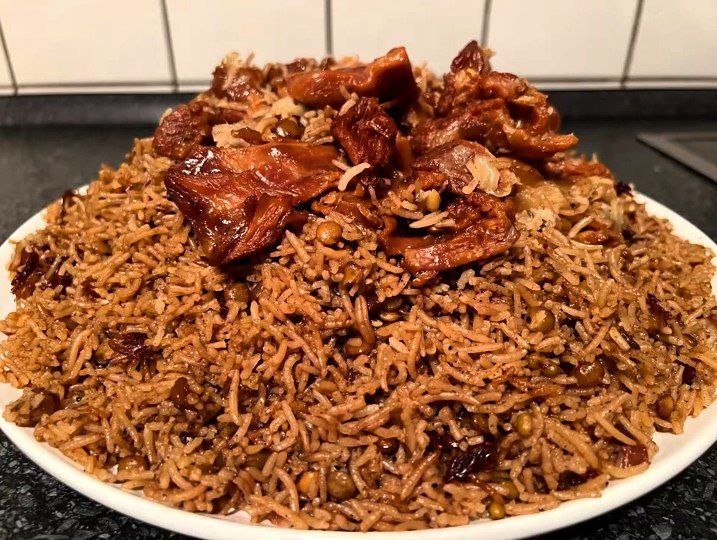
A Beloved Traditional Dish Kachri Meat-e-Land is considered one of the traditional and cultural dishes of Herat. Over time, it has evolved from a simple homemade meal into one of the most popular foods served in restaurants and hotels. This dish is not only known for its unique taste but also for its distinct cooking method that sets it apart from others. It is usually prepared in large pots over low heat, allowing the flavors to blend perfectly. Ingredients that Make It Special A key highlight of this dish is the use of Herati rice and specially preserved meat. Herat rice is renowned for its high quality and adds a special flavor to the meal. The meat used is different from regular lamb or mutton—it is prepared using specific techniques that make it tender and flavorful. Typically, richer cuts of meat are selected instead of ordinary soft meat. A Source of Strength and Warmth Many residents of Herat regard Kachri Meat-e-Land as a natural source of strength. Those who have eaten it often claim it boosts their energy and consider it especially suitable for cold weather. A Symbol of Hospitality Moreover, Kachri Meat-e-Land is not just an ordinary dish—it also symbolizes the hospitality of Heratis. Many families and restaurant owners serve it to guests during special ceremonies and celebrations. Today, it stands as part of Herat’s cultural identity, just like other traditional dishes such as Gholor Torosh, Gholor Sheer, and Kachri Sabzi, which are often seen alongside it on Herati dining tables. Nutritious and Culturally Rich Thanks to its natural and local ingredients, Kachri Meat-e-Land offers not just great taste but also several health benefits. It is rich in protein, vitamins, and minerals, helping to boost the immune system and increase energy. For many people in Herat, this dish is more than just food—it is a cultural experience passed down through generations, still holding a special place in their hearts.

Editor's Choise, Most Read, Popular Articles, Popular Topics, Recent News, Recent Topics, Special Reports, Top New, Uncategorized, Weekly Contents, Weekly Posts

The Majestic Minarets of Herat: A Glimpse into Afghanistan’s Architectural Heritage

Minarets of Herat Herat, one of Afghanistan’s most historically rich cities, is home to many remarkable architectural masterpieces. Among its most iconic structures are the Minarets of Herat, also known as the Minarets of Musalla. These towering remnants of Islamic architecture provide a window into the artistic brilliance and engineering skills of the 15th century, standing proudly as symbols of Herat’s cultural legacy. History and Significance of the Minarets The Minarets of Herat were once part of a large religious site called the Musalla Complex, built in the late 15th century by Sultan Husayn Bayqara, a ruler of the Timurid dynasty. He planned to create one of the most beautiful and grand mosques in the Islamic world—something that could rival even the great mosques of the Ottoman and Safavid empires. Sadly, the full mosque was never completed. Over the years, wars, invasions, and natural disasters damaged much of the site. Despite that, the minarets survived and still stand today, giving us a glimpse of how stunning the original complex must have been. These historic towers are now among the most famous landmarks in Herat. They are a powerful symbol of the city’s rich architecture, history, and cultural pride. What Makes the Minarets of Herat Special The minarets in Herat are beautiful towers that show the amazing skills of builders from the Timurid era. Each one is about 55 meters tall, and they were built to be seen from all over the city. They are covered in blue tiles that shine in the sunlight. These tiles aren’t just for decoration—they also have a deeper meaning. The blue color was used to show the connection between the sky and the earth. If you look closely, you’ll see fine writing and patterns on the tiles. These designs are part of Islamic art, and they add both beauty and meaning to the towers. The mix of colors, shapes, and messages makes the minarets not just buildings, but works of art. Unique Design Features Height and Scale: Standing tall at over 50 meters, the minarets were designed not only as religious structures but also as symbols of power and grandeur, commanding respect and admiration. Tile Work: The use of colorful tiles, particularly shades of blue, turquoise, and yellow, creates a striking contrast against the surrounding desert landscape, making the minarets visible from miles away. Symmetry: The minarets’ precise symmetry and proportion are a reflection of the advanced architectural knowledge of the Timurid era. Their design was influenced by Persian and Central Asian architectural styles, as well as Islamic traditions. The Importance of the Minarets Today Even after centuries of wars and natural disasters, the Minarets of Herat still stand tall. They are a powerful symbol of Afghanistan’s strength and rich culture. As one of the few remaining structures from the Timurid dynasty, they attract both tourists and historians from around the world. These minarets also remind us that Herat was once a center of art, knowledge, and culture in the region. Today, efforts to preserve and restore the Minarets of Herat are ongoing. These minarets are considered a national treasure and are protected as part of Afghanistan’s cultural heritage. They have also been added to the UNESCO World Heritage Tentative List, highlighting their importance to global history. Visiting the Minarets of Herat For those planning to visit Herat, the Minarets of Herat are a must-see attraction. Standing at the base of the minarets offers an awe-inspiring view of their size and the intricate details of the tile work. Visitors can also enjoy the surrounding gardens, which add a sense of tranquility to the site. While the Musalla Complex is no longer fully intact, the minarets continue to stand tall, offering a glimpse into the glory of the past. The surrounding area has also been developed for tourism, making it a perfect spot for history enthusiasts and travelers. Conclusion The Minarets of Herat (Musalla) are not just architectural wonders; they are symbols of a rich history that continues to shape the identity of Herat and Afghanistan. Their beauty, craftsmanship, and resilience are a testament to the cultural and historical significance of this incredible city. As efforts to preserve these minarets continue, they will undoubtedly remain a beacon of Afghanistan’s architectural brilliance for generations to come.

Editor's Choise, Most Read, Popular Articles, Popular Topics, Recent News, Recent Topics, Special Reports, Top New, Uncategorized, Weekly Contents, Weekly Posts

Qala-e-Ikhtiyaruddin: Herat’s Ancient Citadel

Qala-e-Ikhtiyaruddin: A Timeless Fortress in the Heart of Herat Qala-e-Ikhtiyaruddin, commonly referred to as the Herat Citadel, stands as one of Afghanistan’s most historic and recognizable architectural treasures. This grand fort serves as a powerful reminder of Herat’s deep-rooted history and the enduring spirit of its people. With origins tracing back more than two millennia, the citadel has silently witnessed the region’s many upheavals, changes in power, and cultural evolution. Strategic Location in Herat Located in the historic core of Herat, Qala-e-Ikhtiyaruddin is perched atop an artificial mound, offering a strategic vantage point and overseeing the entire city. This elevated position was essential for keeping watch over key roads and guarding the city’s entrances. Throughout history, Herat’s significance on the Silk Road made the citadel a vital stronghold for rulers aiming to control trade routes and military movements. The citadel’s close proximity to the Hari Rud River provided valuable resources like water, helping it endure numerous sieges. Today, it is surrounded by important cultural sites such as the Great Mosque, the bustling bazaars, and the Ghyasiyyah School, forming a focal point for visitors exploring Herat’s vibrant heritage. Today, it is surrounded by several other renowned landmarks, including the Great Mosque of Herat, the historic bazaar, and the Ghyasiyyah School. This concentration of cultural sites has made the citadel area one of the most visited tourist destinations in the city. The Citadel Today Today, the ancient citadel continues to rise with strength and dignity in the heart of Herat, serving as a timeless symbol of the city’s enduring spirit. More than just a historical structure, it represents the deep cultural roots, artistic achievements, and resilience of the people of Herat. Restored and preserved through time, it draws the attention of visitors and historians alike, offering a powerful reminder of the city’s rich and proud heritage. Cultural and Social Influence Beyond its military role, the citadel was central to the cultural and intellectual life of Herat. During the Timurid era, when the city became a hub of art, science, and literature, the citadel’s surroundings buzzed with scholars, poets, and craftsmen. Its location near religious and commercial centers made it a place for public ceremonies, social gatherings, and government affairs. Modern-Day Significance After undergoing preservation and restoration efforts, Qala-e-Ikhtiyaruddin now stands as a treasured cultural and historical monument. It welcomes visitors from across the world who are drawn to its grandeur, stories, and artistic architecture. Today, it not only showcases Herat’s vibrant past but also continues to play a role in defining the city’s identity and pride.

Editor's Choise, Most Read, Popular Articles, Popular Topics, Recent News, Recent Topics, Special Reports, Top New, Uncategorized, Weekly Contents, Weekly Posts

Herat Jami Mosque: History, Architecture & Cultural Significance

Herat Jami Mosque In the heart of the ancient and cultural city of Herat lies one of Afghanistan’s most beautiful and historic mosques—the Herat Jami Mosque. More than just a place of worship, this mosque stands as a majestic symbol of Islamic art, architecture, and history. With over eight centuries of life, it has witnessed many historical events and embraced generations of worshippers. Still active and vibrant today, its grandeur and beauty continue to captivate every visitor. Historical Background of the Herat Jami Mosque The origins of the Herat Jami Mosque date back to the 12th century AD, during the rule of the Seljuks over parts of Khorasan. The original structure was built in the center of Herat. Over time, the mosque went through numerous renovations and expansions. During the Timurid period, the mosque saw its most significant transformation. The Timurid era was one of the most glorious periods for art and architecture in Herat. Rulers like Goharshad Begum and Shah Rukh Mirza were passionate about art and culture. They ordered the mosque to be richly adorned with stunning tilework, elegant calligraphy, and advanced architectural techniques. The Magnificent Architecture of the Jami Mosque One of the most striking features of the Herat Jami Mosque is its unique architecture. It boasts tall iwans (porches), turquoise domes, slender minarets, and a spacious courtyard. The mosque is a perfect example of Timurid-Islamic architectural style. Its design emphasizes symmetry, proportion, and artistic balance—making it a masterpiece of the region. Equally impressive are the mosque’s calligraphic details. Verses from the Quran, spiritual poetry, and timeless wisdom are inscribed in beautifully flowing Thuluth, Kufic, and Nasta’liq scripts. These calligraphic works blend sacred meaning with artistic mastery, turning every corner of the mosque into a canvas of faith and creativity. Magnificent Architecture One of the mosque’s most outstanding features is its unique architecture. With tall iwans (arched entrances), turquoise domes, slender minarets, and a wide courtyard, it reflects the Timurid-Islamic architectural style. Its design uses symmetry, proportion, and aesthetics to create a true masterpiece. The tilework is among its most striking elements. Shades of blue, turquoise, lapis lazuli, and yellow form floral and geometric patterns, carefully placed on walls and ceilings. Viewing them evokes both peace and wonder. Calligraphic inscriptions, written in Thuluth, Kufic, and Nastaʿlīq scripts, cover many walls. These usually include verses from the Quran, mystical poetry, or wise sayings, combining spiritual and artistic beauty. Role in Culture and Community The Herat Grand Mosque is more than a religious site. It has always been a center for social, cultural, and educational life in Herat. Throughout history, it served as a place to teach religious sciences, Islamic law, Quranic interpretation, as well as mathematics and philosophy. Great scholars and students gathered here for study circles and religious education. Every Friday and during Islamic holidays, thousands gather to pray together. In times like Muharram, Ramadan, and other religious occasions, the mosque becomes the center of major ceremonies, creating a deeply spiritual atmosphere. Challenges and Restoration Efforts Despite its beauty and importance, the mosque has suffered damage over the centuries. Wars, earthquakes, and natural erosion have harmed parts of the structure. Fortunately, the people of Herat and various governments have always valued the mosque and worked to preserve it. In recent years, both national and international organizations have launched projects to protect the mosque. These included restoring tiles, repairing minarets, reinforcing walls, and accurately documenting the mosque’s architecture for historical records. A Cultural and Tourist Attraction The Herat Grand Mosque is one of the city’s top tourist attractions. Domestic and foreign visitors never miss a chance to see it. Its beauty, spiritual atmosphere, and rich history make it a truly unforgettable destination. Located in the heart of the old city bazaar, the mosque is deeply connected with local life. Many shopkeepers and families have grown up around it and carry cherished memories of the mosque. Conclusion The Herat Grand Mosque is not just a building. It is a living symbol of faith, culture, history, and identity. It is a priceless treasure that must be protected—not just as a historical site, but as a spiritual and artistic legacy that carries the soul of Herat. Every brick tells a story—a story of devotion, art, prayer, and endurance. Visiting the Herat Grand Mosque is more than seeing a beautiful monument. It is walking through history and feeling the heartbeat of a living civilization.

Editor's Choise, Most Read, Popular Articles, Popular Topics, Recent News, Recent Topics, Special Reports, Top New, Uncategorized, Weekly Contents, Weekly Posts

Herat Province: A Rich Cultural and Historical Hub of Afghanistan

Herat Province Herat is considered one of the most valuable and historical regions of Afghanistan. This province has a rich and strong background in culture, history, art, and economy and has played an important role in the region for centuries. Specifically, during the Timurid era, Herat flourished in the fields of science, art, and literature. In this article, we will take a brief look at Herat’s historical background, cultural potential, agriculture, and social challenges. An Ancient and Glorious History of Herat Herat has long been a significant region for civilization and culture. It is located along the Silk Road, where many ethnicities, cultures, and ideas have met. During the Timurid period, Herat was a center for learning and culture. Many famous writers, poets, and artists lived and thrived in this city. Notable figures include Mawlana Abdulrahman Jami and Husayn Vaiz Kashifi. Jami, through his literary and mystical writings, is still a prominent figure in the Persian language, and Vaiz Kashifi influenced many people through his religious writings and speeches. Cultural and Artistic Beauties Herat is one of Afghanistan’s most important cultural and artistic centers. The province is famous for its historical sites, beautiful mosques, ancient cities, and artistic works. It is home to poets, artists, and architects. Herat’s architecture is unique, reflecting the beauty of Islamic art. One of the notable aspects of Herat’s culture is the art of calligraphy and painting, which plays an important role in its cultural heritage. The city is particularly known for its prominent poets, such as Mawlana Abdulrahman Jami and Husayn Vaiz Kashifi, whose contributions to literature have greatly enriched Herat’s culture. These poets brought a unique beauty to the cultural life of the region. Furthermore, Herat is also known for its artistic activities, including music, dance, and theater. These activities have given Herat a distinct artistic color, making it a hub for cultural expression. Agriculture and Natural Resources Herat is an important agricultural province with fertile and productive lands. The agricultural products of this province, such as wheat, saffron, pomegranates, raisins, almonds, and figs, are widely recognized. Saffron, in particular, is a special product of Herat that holds high value in international markets. The province also benefits from abundant water resources, such as rivers and canals, which significantly support agriculture. Herat’s natural resources, such as marble and silica, are also important for industry. While some areas suffer from water shortages, with proper water management, agriculture can continue to thrive. To protect and develop the province’s agriculture and natural resources, it is essential that the government and other institutions make efforts. Agriculture is considered the backbone of Herat’s economy. The province has fertile lands and abundant water sources, making it highly capable of producing agricultural products. From wheat and saffron to grapes and pomegranates, a variety of crops are cultivated here. Social Challenges and Hopes for a Better Future Herat is a beautiful and proud province, but it also faces some social and security challenges. Despite these obstacles, the people of Herat continue to work toward reviving their culture, creating educational and artistic programs, and strengthening civic activities. This shows that the people of Herat remain hopeful for a better future. Cultural festivals, educational workshops, and youth empowerment are among the steps taken to improve the community’s situation. Conclusion Herat is not only a part of Afghanistan’s history but also a significant place for art, culture, and education. The province is home to beautiful mosques, ancient cities, and educated people. For centuries, the people of Herat have had a deep connection to literature, writing, painting, and other forms of art. While there are some challenges today, such as poverty, unemployment, and security issues, the people continue to work to preserve their culture and history. They open schools, value education, and send their children to study. If the government and other institutions continue to support the people of Herat, the province will improve once again. Supporting education, agriculture, and the arts can ensure a bright future for Herat. The people hope that one day, this province will once again serve as a shining example for Afghanistan.

Scroll to Top