wikiarya.com

Pashdan Dam
Editor's Choise, Most Read, Popular Articles, Popular Topics, Recent News, Recent Topics, Special Reports, Top New, Uncategorized, Weekly Contents, Weekly Posts

Pashdan Dam: A Rising Jewel of Tourism in Herat Province

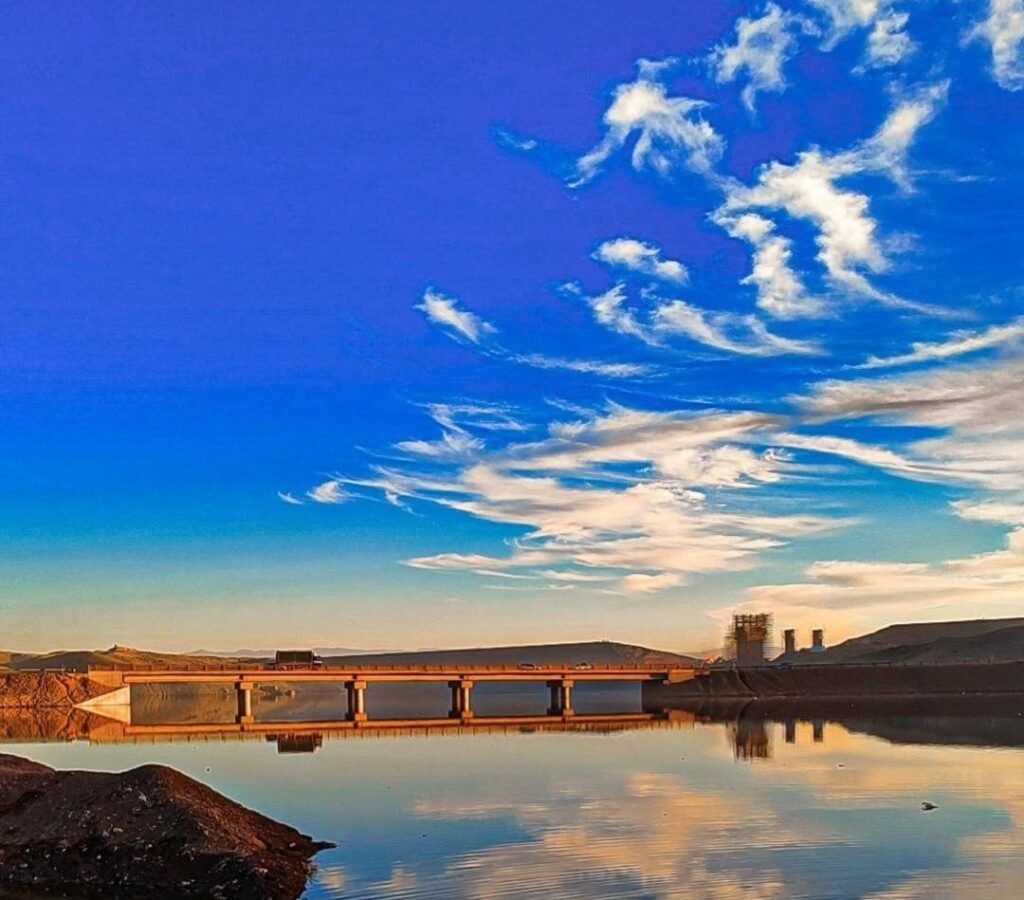
A Newly Discovered Gem in the Heart of Afghanistan’s Nature Nestled around 20 kilometers west of the historic city of Herat lies Pashdan Dam, a newly emerging tourist attraction in Afghanistan. Originally developed as a water management project, it has quickly gained popularity as a natural retreat for local residents and tourists alike. With breathtaking landscapes, clean air, and the harmonious blend of mountains and water, the dam has become a favorite escape for nature lovers. Escape the Noise – Embrace Peace and Serenity A visit to Pashdan Dam means stepping into a world of calm, far from the noise of everyday life. As you travel westward from Herat city, you’ll notice the skies opening up, the air growing fresher, and the scenery becoming more captivating. Especially in spring and summer, the vibrant mix of blue water and green hills leaves a lasting impression on every visitor. Activities for Every Taste Pashdan Dam isn’t just for sightseeing — it offers a variety of recreational opportunities for families, friends, and solo travelers: A Shared Responsibility: Respecting Nature Despite its beauty, Pashdan Dam requires care and protection. Visitors are encouraged to bring trash bags, avoid littering, and help promote a culture of clean tourism. Many families actively remind others to take their waste with them and keep the area tidy. This dam is not only a tourist spot; it’s a natural heritage that belongs to all Afghans and must be preserved for future generations. Voices from the Community During holidays, Pashdan Dam welcomes hundreds of visitors. One visitor shared: “We came here with friends and family to celebrate Eid al-Adha. It’s a wonderful place. We grilled kebabs, sang songs, and enjoyed our time together.” Local vendors also express their happiness about increased tourism: “We sell around 15 types of ice cream, and the dam has really helped our small business grow. Pashdan has brought us income and new opportunities.” More Than Just a Water Project Pashdan Dam is more than an engineering structure — it is a symbol of joy, unity, and nature’s gift to the people of Herat. Economically, the dam provides local jobs and boosts small businesses such as food stalls, boat rentals, handmade crafts, and tour services. Travel Tips for Visitors Planning a visit to Pashdan Dam? Here are a few tips to make your trip enjoyable: A Gift of Nature for the People of Herat In conclusion, Pashdan Dam stands out as a natural wonder with stunning beauty, social vibrance, and recreational facilities. If you’re searching for peace, breathtaking views, and unforgettable moments, Pashdan Dam is your next destination.
Editor's Choise, Most Read, Popular Articles, Popular Topics, Recent News, Recent Topics, Special Reports, Top New, Uncategorized, Weekly Contents, Weekly Posts

Complete List of Bride’s Jahaz in Herat

The Cultural Meaning of Jahaz in Herat Among the deep-rooted traditions of the people of Herat, the bride’s Jahaz holds a special and meaningful place. This tradition not only symbolizes the bride’s readiness to begin married life, but also reflects the love, support, and backing of her family. In Herat, preparing the Jahaz is done with great care and attention. The bride’s family, especially her mother, thoughtfully selects and prepares the items needed for the new life. From clothing and personal items to kitchen appliances, everything is arranged neatly and respectfully to ensure the couple’s new beginning is full of blessings and joy. These items, beyond their material use, are a symbol of compassion, preparation, self-respect, and the family’s support for the bride’s future life. What is Jahaz and Why is it Important? Jahaz refers to a collection of personal and household items that the bride takes to her new home on the wedding night or during the public display event known as Takht Jamai. These items not only serve practical purposes for the couple but also represent the effort and commitment of the bride’s family. In some cultures, Jahaz is considered the “foundation for the daughter’s new life,” and it is held in high regard. Complete Categorized List of Bride’s Jahaz: Clothing and Personal Items Formal and Party Dresses: Homewear: Seasonal Clothing: Shoes and Footwear: Beauty and Hygiene Items Bedroom Items Living Room and Guest Items Kitchenware Non-electric Items: Electrical Appliances: The Role of Jahaz in Herat Family Culture In Herat, the bride’s Jahaz is displayed in a public event called Takht Jamai. Guests (close relatives and friends) view the items, appreciate the efforts of the bride’s mother, and usually present gifts such as kitchenware, household items, or cash. This tradition is not only beautiful but also boosts the morale of the bride’s family. Final Words The bride’s Jahaz is not just a collection of material goods, but a symbol of love, care, and readiness for a new life. In this beautiful cultural tradition, the respect for the daughter, the mother’s effort, and family unity are deeply visible. By simplifying this tradition and focusing on its core meaning—love and kindness—we can reduce financial pressure and make the start of married life more enjoyable. Ultimately, while the Jahaz tradition in Herat is rooted in ancient beliefs, its scale and style depend on the family’s financial ability, taste, and values. Some families prepare many items, while others, even with limited resources, carry out the tradition with love and respect. More important than the quantity of items is the pure intention, love, and support that families provide for the couple starting their life together.

Editor's Choise, Most Read, Popular Articles, Popular Topics, Recent News, Recent Topics, Special Reports, Top New, Uncategorized, Weekly Contents, Weekly Posts

Henna Night Ceremony in Herat

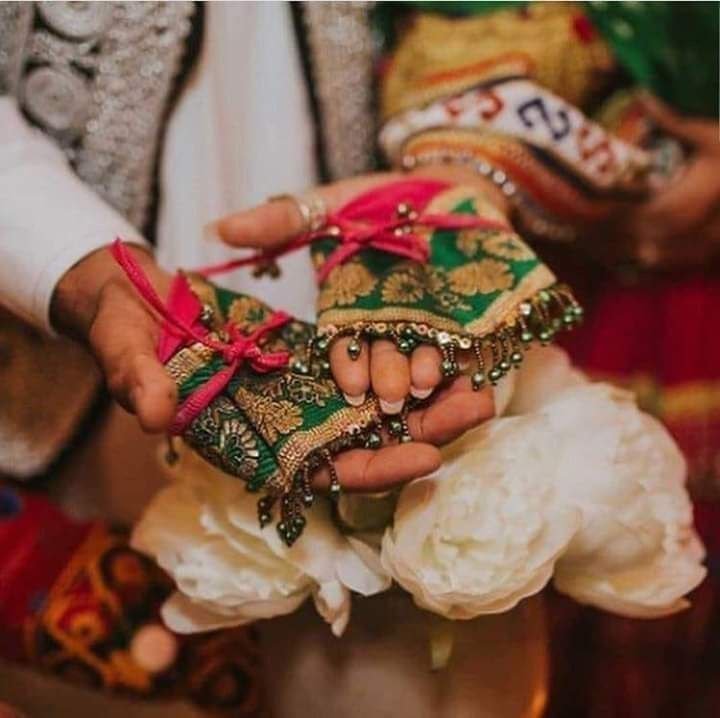
Henna Night Ceremony Henna Night (Mahfel-e-Hanabandan) is one of the most traditional and beautiful customs celebrated in the historic city of Herat, held on the night before the wedding. This ceremony is not only a prelude to the wedding celebration but also a warm gathering of families and relatives, offering a chance to express joy, empathy, and support for the couple beginning their married life. Cultural Importance In Herat’s culture, after the religious marriage contract (Nikah) and engagement, a series of joyful events begins—one of the most significant and memorable being the Henna Night. Usually held one or two nights before the wedding, the event is marked with grandeur. It symbolizes the start of a new life, blessings from families, and a tribute to the deep-rooted traditions of Herat. Timing of the Ceremony Henna Night typically takes place on the eve of the wedding. It holds a special place in the hearts of families, who strive to organize it in the best way possible. It may be hosted at the bride’s home or a wedding hall, often accompanied by music and dance. Colorful Traditional Attire On this night, women and girls wear colorful Afghan dresses adorned with beautiful khamak embroidery and handmade traditional jewelry that reflects the rich cultural identity of Herat. Men also dress in traditional attire, especially shirts with khamak embroidery. The bride wears a stunning traditional outfit, accessorized with jewelry, flowers, and special henna-night makeup. Her smile, tinged with a bit of shyness, enhances her beauty even more. Special Rituals of Henna Night One of the key traditions is the groom’s family arriving at the bride’s home accompanied by the sound of daira, dumbak, and sweet folk couplets. As they escort the bride, a cloth is held over the bride and groom’s heads, inside which are a sugar loaf, salt, and a clay pot called saya. Breaking the pot and sprinkling salt symbolizes blessings, protection from the evil eye, and the beginning of a prosperous life. Bread and Shawl – Symbols of Sustenance and Purity In another part of the ceremony, the bride’s father ties a loaf of bread wrapped in a green cloth around her waist. This bread symbolizes sustenance and abundance—sending the daughter off with prayers and provisions. A white shawl is also placed on her head, symbolizing purity and honor, preparing her for married life. The Beautiful Henna Ritual The highlight of the event is the henna application. Seven unmarried girls, with intentions of happiness and harmony, place henna on the bride and groom’s palms. The bride then closes her hands and holds them to her forehead, where the groom places a gold coin—symbolizing respect, affection, and commitment. Gifts and Congratulations Close relatives of the groom—such as his mother, sister, aunt, or maternal aunt—present the bride with gifts like cash, fabric, clothes, or jewelry. These presents reflect love, acceptance, and support from the groom’s family. Dance, Attan, and Celebration After the henna ritual, the celebration continues with traditional music, Attan dance, poetic recitations, and youthful enthusiasm. The atmosphere is filled with laughter, joy, photography, and unforgettable moments. Hospitality and Joyful Ending Guests are treated to traditional and delicious Afghan dishes such as Qabuli Palaw, Mantu, Kebab, Borani, and local drinks. The night ends with blessings, smiles, and lasting memories. Final Thoughts Henna Night is not just a ritual—it’s a vital part of Herat’s cultural identity. It blends love, family, tradition, and authenticity, passed down through generations and still celebrated with passion and pride. Families strive to keep these traditions alive, believing that true happiness lies in preserving cultural roots.

Editor's Choise, Most Read, Popular Articles, Popular Topics, Recent News, Recent Topics, Special Reports, Top New, Uncategorized, Weekly Contents, Weekly Posts

Nikah Ceremony in Herat

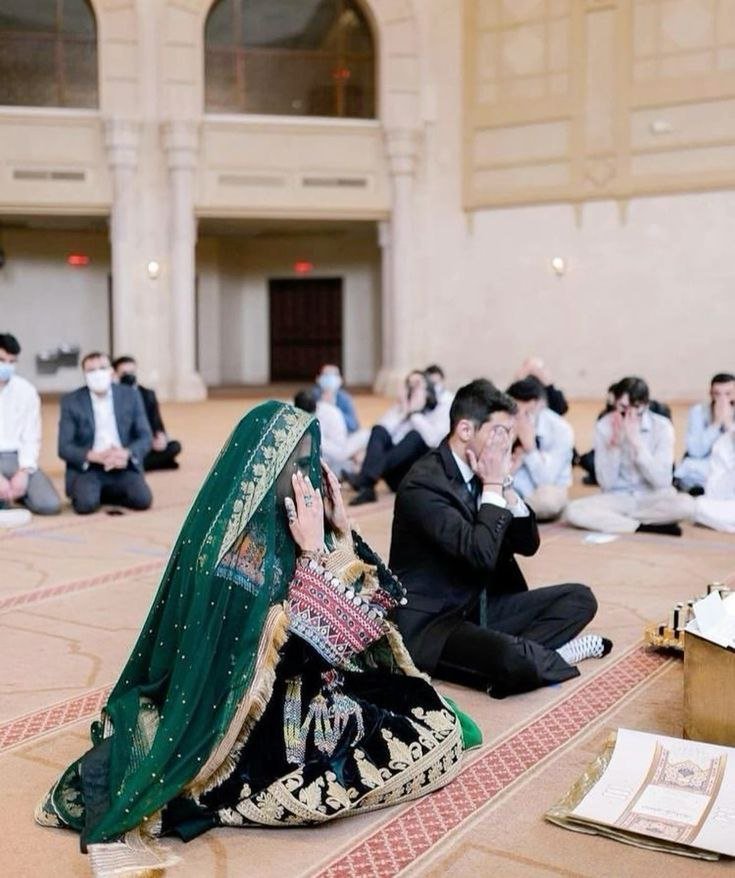
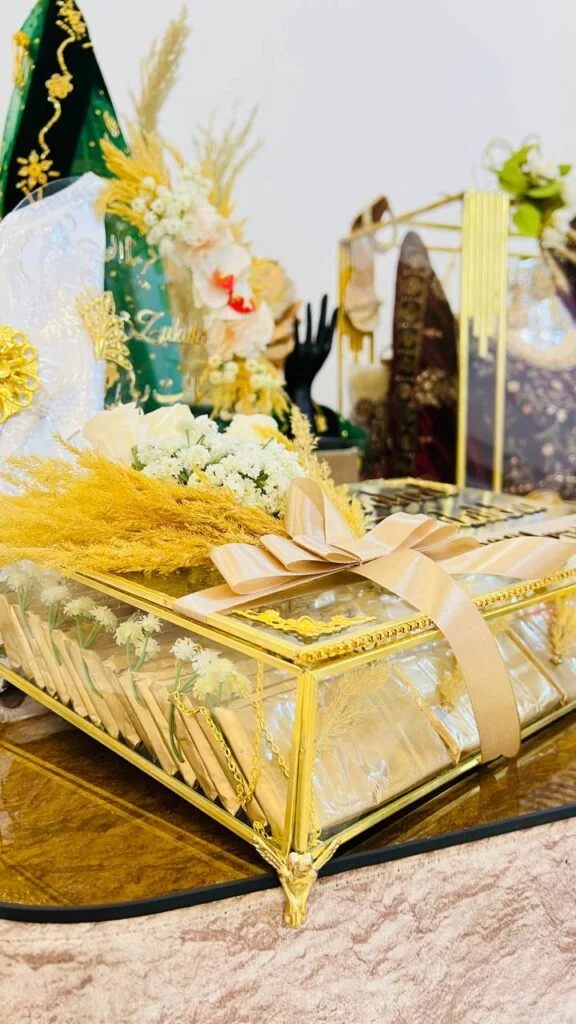
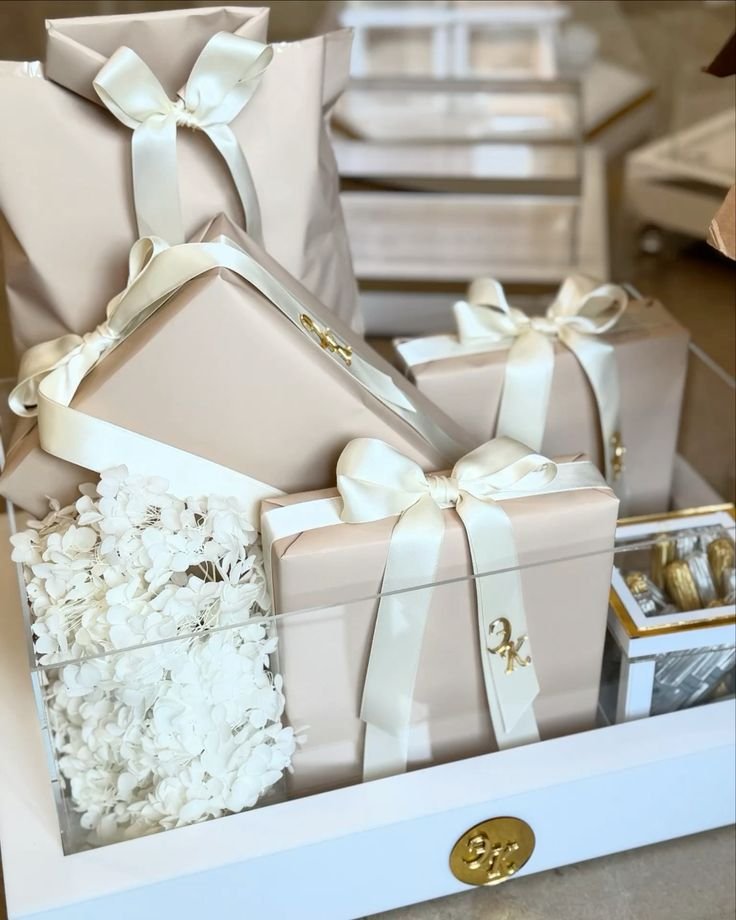
Nikah After the proposal stage and mutual agreement between both families, the Nikah (marriage) process begins. From an Islamic perspective, Nikah is not only a tradition of the Holy Prophet (PBUH), but also a sacred contract that legally and religiously binds a man and a woman to each other. In Herat province, Nikah ceremonies have unique customs influenced by culture, religion, and local traditions. Preparations for the Nikah Ceremony On the night of the Nikah, the groom’s family brings a “khancha” (gift basket), which includes clothing, engagement cloth, gold, beauty items, and other gifts based on financial ability. A special dinner is also prepared for both families. These gifts are then taken to the bride’s house by the groom’s family. In Herat, the bride typically wears green-colored clothes on the Nikah night, symbolizing life, freshness, and growth. The ceremony is usually held in a private setting with only close relatives from both sides, creating a spiritual and peaceful environment. Religious Execution of the Nikah Contract During the Nikah ceremony, Islamic witnesses must be present — either two men or one man and two women. The marriage contract involves the following process: The bride is asked three times: “Did you ask for this and do you accept it?”She must reply:“I asked for it and I accepted it.” Then she is asked: “Who is your representative (Wakil)?”Usually, the bride appoints her father, but if he is not present, it could be her brother, grandfather, or another close male relative. Similarly, the groom is asked: “Did you ask for her and accept her?”He should respond:“I asked for her and I accepted her.” This exchange is known as Ijab and Qabool (offer and acceptance) and forms the foundation of the Islamic marriage contract. Reading of the Nikah Sermon (Khutbah) After Ijab and Qabool, a religious scholar or mullah reads the Nikah Khutbah, which includes Quranic verses, hadiths about marriage, reminders of spousal rights, and prayers. The sermon usually begins with: “Alhamdulillah nahmaduhu wa nasta’eenahu…”and ends with supplications for blessings in the couple’s new life. Symbolic Rituals After the Khutbah Following the sermon, the bride cuts a sprout or greenery, symbolizing a fresh and happy life. The bride and groom exchange rings, kiss the Quran, and look at each other through a mirror, a ritual called “Aina Mosaf” (mirror meeting). They then share cake and sweets, celebrating the beginning of a sweet life together. Joy and Celebration The ceremony continues with traditional songs, dance, and festivities, reflecting love, joy, and unity between the families. Final Words In Herat, the Nikah ceremony is a beautiful blend of ancient customs, religious beliefs, and cultural elegance. It not only establishes a lawful bond between two individuals but also begins a new relationship of respect and friendship between two families. Though times are changing, this sacred tradition remains alive, valuable, and deeply respected.

Editor's Choise, Most Read, Popular Articles, Popular Topics, Recent News, Recent Topics, Special Reports, Top New, Uncategorized, Weekly Contents, Weekly Posts

Marriage Proposal Ceremony in Herat

Marriage Proposal Ceremony The marriage proposal is one of the most important traditional customs in Herati culture. It not only marks the beginning of a shared life between a couple, but also creates a bond between two families. In Herat, this custom involves specific rituals and stages rooted in traditions, beliefs, and social values. While the proposal ceremony may vary slightly in other regions, its core principles remain the same. Stages of Marriage Proposal in Herat 1. Investigation and Choosing the Right Girl In the first step, the boy’s family looks for a suitable bride for their son based on criteria such as family background, morals, religious devotion, modesty, homemaking skills, and sometimes education. This task is usually undertaken by the boy’s mother and sisters. 2. Initial Proposal (Requesting Water) After making a decision, the boy’s family—usually the mother, sister, or other female relatives—goes to the girl’s home unofficially for a “glimpse of the girl.” During this visit, the boy’s mother subtly asks the girl to bring them a glass of water, for example by saying: “Dear girl, could you bring us a glass of water?” In Herati culture, water symbolizes purity and good intentions. If the girl willingly and respectfully brings the water, it is seen as a positive sign that the girl and her family may be open to the proposal. 3. Official Request by the Elders After the initial positive response, the boy’s family visits again—this time accompanied by the father, uncle, or other senior male members—to formally ask the girl’s father or guardian for her hand in marriage. This moment is treated with great formality and respect. 4. Time for Consideration and Familiarization Following this formal request, the girl’s family usually asks for time to think, consult, and get to know the boy’s family better. This period may last weeks or even months before a final response is given. During this time, families may arrange supervised meetings or family visits to foster understanding and familiarity. 5. The Girl’s Acceptance and Final Proposal Ceremony Once the girl and her family decide to accept the proposal and give their consent, a ceremony known as “Final Proposal” or in some areas “The Girl’s Flower” (Gol-e Dokhtar) is held. This ceremony is highly significant and is considered the official confirmation of the engagement. In this ceremony: Cultural and Social Significance of Proposal in Herat The proposal ceremony is not only the start of a marital bond but also represents a social connection between two families—or even two communities. Families seek mutual understanding and familiarity to build a strong foundation for the marriage of their children. Final Words The marriage proposal ceremony in Herat reflects the region’s rich culture, deep respect for family, beautiful traditions, and the value placed on familial relationships. Although some details may evolve over time, the essence of this tradition remains alive and treasured.

Editor's Choise, Most Read, Popular Articles, Popular Topics, Recent News, Recent Topics, Special Reports, Top New, Uncategorized, Weekly Posts

The Return of Hajj Pilgrims During Eid al-Adha: Joy, Offerings, and Herati Gatherings

Return of the Hajj Pilgrims During Eid al-Adha in Herat Every year, during the days of Eid al-Adha, the city of Herat witnesses the return of thousands of pilgrims from the sacred journey to Mecca. This return holds a special meaning and importance for families and the people of Herat, as it symbolizes joy, reunion, and the beginning of traditional and religious ceremonies, alongside the spiritual blessings of Hajj. The Beginning of the Pilgrims’ Return With the completion of Hajj rituals in Saudi Arabia, caravans of pilgrims from various countries—especially Afghanistan—begin their journey back home. In Herat, people warmly welcome the pilgrims with enthusiastic visits, and sometimes even organize family celebrations. These moments are a reminder of the sacrifices and efforts made by the pilgrims to fulfill this religious obligation. Celebrations and Gatherings in Herat One of the unique features of Eid al-Adha in Herat is the hosting of grand gatherings, usually attended by extended family and relatives. These celebrations include the preparation of traditional Herati dishes such as chapli kebab, bolani, danda kebab, and khagineh. Since the pilgrims’ return often coincides with Eid, Heratis go out of their way to make these occasions even more festive and welcoming. Offerings and Sacrifices Animal sacrifice during Eid al-Adha is a deep-rooted tradition in Herat. Many families offer a sheep or other livestock in gratitude for God’s blessings and in remembrance of Prophet Ibrahim’s (AS) devotion. The act not only fulfills a religious duty but also represents the sharing of blessings and support for the needy. Some pilgrims, upon returning from Hajj, offer sacrifices with the intention of giving thanks for completing their pilgrimage. Herati Customs and Traditions Herat residents take great pride in their customs. On Eid al-Adha, after performing the Eid prayer, people visit the homes of pilgrims and honor them by bringing gifts like rosewater drinks and special local bread. During this festive period, markets are crowded with vendors selling new clothes and essential items, as families shop in preparation for the holiday and visiting loved ones. Final Words The return of pilgrims during Eid al-Adha in Herat is not just a religious event—it’s a heartfelt opportunity for reunion, joy, and expressions of love among the community. These days are filled with hope and warmth, where families and society in Herat come together to celebrate and reflect on human values such as sacrifice and compassion.

Herat
Editor's Choise, Most Read, Popular Articles, Popular Topics, Recent News, Recent Topics, Special Reports, Top New, Uncategorized, Weekly Contents, Weekly Posts

Eid Preparations: Markets Full of Hustle and Bustle

Eid Preparations in Herat In the markets of Herat, vendors are enthusiastically selling dry fruits like almonds, pistachios, raisins, and pumpkin seeds. They say that this year, prices have slightly dropped compared to last year, which has allowed more people to afford their purchases. Some fruits, like raisins and almonds, are available in various types and price ranges to accommodate everyone. Eid al-Adha: A Celebration of Compassion and Togetherness In heartfelt interviews, people express their happiness about Eid and their efforts to prepare a colorful Eid feast. Many families, in addition to purchasing food, are also getting ready for the sacrificial ritual. They wish to perform this Islamic tradition with sincerity and share a portion of the meat with those in need. Peace and Security – A Great Blessing During Eid Days Fortunately, many people express their satisfaction with the improved security situation during Eid al-Adha and extend their gratitude to the authorities, especially the security forces and municipal service departments, for their continuous efforts in creating a peaceful and safe environment. Greetings to Fellow Citizens Inside and Outside the Country Eid al-Adha is a wonderful opportunity to show affection to friends, relatives, and fellow citizens throughout Afghanistan and abroad. Many people use this occasion to send congratulatory messages to their loved ones in Iran, Dubai, China, and other parts of the world, wishing them happiness, good health, and a joyful, love-filled Eid. Conclusion: Eid al-Adha Reflects Herat’s Culture of Kindness In Herat, Eid al-Adha is not just a religious ritual but also a chance to showcase the local culture of hospitality, empathy, and generosity.

Editor's Choise, Most Read, Popular Articles, Popular Topics, Recent News, Recent Topics, Special Reports, Top New, Uncategorized, Weekly Contents, Weekly Posts

Eid al-Adha in Herat: Traditions, Customs, and Community Spirit

The Spiritual Essence of Eid al-Adha Eid al-Adha in Herat is a deeply cultural and spiritual celebration, marked by family gatherings, special prayers, and festive activities. It strengthens community bonds, as families and friends come together to celebrate, reflect, and share. Alongside the religious observances, people take part in rituals such as wearing new clothes, offering sacrifices, and visiting the graves of loved ones. The celebration in Herat blends both spiritual and social aspects, highlighting the values of charity, kindness, and respect for others. The Act of Qurbani: A Symbol of Devotion Following the prayers, families in Herat engage in the ritual of Qurbani, sacrificing animals such as sheep, goats, or cows. This act symbolizes submission to Allah’s will and is carried out with specific guidelines to ensure humane treatment. Culinary Delights and Traditional Dishes Herati cuisine takes center stage during Eid al-Adha, with families preparing an array of traditional dishes. Meals often feature the freshly sacrificed meat, cooked into savory stews and kebabs. Accompanying these are rice dishes, flatbreads, and an assortment of sweets and dried fruits, reflecting the region’s rich culinary heritage. Public Celebrations and Cultural Activities Beyond private gatherings, Herat hosts public celebrations that include cultural performances, poetry recitations, and communal feasts. Parks and recreational areas become hubs of activity, where people of all ages partake in games and entertainment, embodying the communal spirit of Eid. Embracing the Spirit of Giving Many Heratis extend their charitable efforts by distributing food and clothing to those in need, ensuring that the joy of Eid is shared across all segments of society.

Editor's Choise, Most Read, Popular Articles, Popular Topics, Recent News, Recent Topics, Special Reports, Top New, Uncategorized, Weekly Contents, Weekly Posts

Kachri Meat-e-Land: A Culinary and Cultural Symbol of Herat

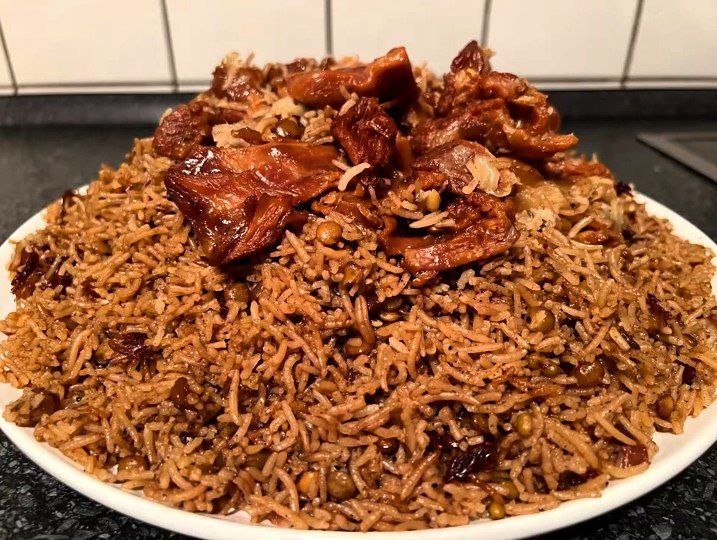
A Beloved Traditional Dish Kachri Meat-e-Land is considered one of the traditional and cultural dishes of Herat. Over time, it has evolved from a simple homemade meal into one of the most popular foods served in restaurants and hotels. This dish is not only known for its unique taste but also for its distinct cooking method that sets it apart from others. It is usually prepared in large pots over low heat, allowing the flavors to blend perfectly. Ingredients that Make It Special A key highlight of this dish is the use of Herati rice and specially preserved meat. Herat rice is renowned for its high quality and adds a special flavor to the meal. The meat used is different from regular lamb or mutton—it is prepared using specific techniques that make it tender and flavorful. Typically, richer cuts of meat are selected instead of ordinary soft meat. A Source of Strength and Warmth Many residents of Herat regard Kachri Meat-e-Land as a natural source of strength. Those who have eaten it often claim it boosts their energy and consider it especially suitable for cold weather. A Symbol of Hospitality Moreover, Kachri Meat-e-Land is not just an ordinary dish—it also symbolizes the hospitality of Heratis. Many families and restaurant owners serve it to guests during special ceremonies and celebrations. Today, it stands as part of Herat’s cultural identity, just like other traditional dishes such as Gholor Torosh, Gholor Sheer, and Kachri Sabzi, which are often seen alongside it on Herati dining tables. Nutritious and Culturally Rich Thanks to its natural and local ingredients, Kachri Meat-e-Land offers not just great taste but also several health benefits. It is rich in protein, vitamins, and minerals, helping to boost the immune system and increase energy. For many people in Herat, this dish is more than just food—it is a cultural experience passed down through generations, still holding a special place in their hearts.

Editor's Choise, Most Read, Popular Articles, Popular Topics, Recent News, Recent Topics, Special Reports, Top New, Uncategorized, Weekly Contents, Weekly Posts

The Majestic Minarets of Herat: A Glimpse into Afghanistan’s Architectural Heritage

Minarets of Herat Herat, one of Afghanistan’s most historically rich cities, is home to many remarkable architectural masterpieces. Among its most iconic structures are the Minarets of Herat, also known as the Minarets of Musalla. These towering remnants of Islamic architecture provide a window into the artistic brilliance and engineering skills of the 15th century, standing proudly as symbols of Herat’s cultural legacy. History and Significance of the Minarets The Minarets of Herat were once part of a large religious site called the Musalla Complex, built in the late 15th century by Sultan Husayn Bayqara, a ruler of the Timurid dynasty. He planned to create one of the most beautiful and grand mosques in the Islamic world—something that could rival even the great mosques of the Ottoman and Safavid empires. Sadly, the full mosque was never completed. Over the years, wars, invasions, and natural disasters damaged much of the site. Despite that, the minarets survived and still stand today, giving us a glimpse of how stunning the original complex must have been. These historic towers are now among the most famous landmarks in Herat. They are a powerful symbol of the city’s rich architecture, history, and cultural pride. What Makes the Minarets of Herat Special The minarets in Herat are beautiful towers that show the amazing skills of builders from the Timurid era. Each one is about 55 meters tall, and they were built to be seen from all over the city. They are covered in blue tiles that shine in the sunlight. These tiles aren’t just for decoration—they also have a deeper meaning. The blue color was used to show the connection between the sky and the earth. If you look closely, you’ll see fine writing and patterns on the tiles. These designs are part of Islamic art, and they add both beauty and meaning to the towers. The mix of colors, shapes, and messages makes the minarets not just buildings, but works of art. Unique Design Features Height and Scale: Standing tall at over 50 meters, the minarets were designed not only as religious structures but also as symbols of power and grandeur, commanding respect and admiration. Tile Work: The use of colorful tiles, particularly shades of blue, turquoise, and yellow, creates a striking contrast against the surrounding desert landscape, making the minarets visible from miles away. Symmetry: The minarets’ precise symmetry and proportion are a reflection of the advanced architectural knowledge of the Timurid era. Their design was influenced by Persian and Central Asian architectural styles, as well as Islamic traditions. The Importance of the Minarets Today Even after centuries of wars and natural disasters, the Minarets of Herat still stand tall. They are a powerful symbol of Afghanistan’s strength and rich culture. As one of the few remaining structures from the Timurid dynasty, they attract both tourists and historians from around the world. These minarets also remind us that Herat was once a center of art, knowledge, and culture in the region. Today, efforts to preserve and restore the Minarets of Herat are ongoing. These minarets are considered a national treasure and are protected as part of Afghanistan’s cultural heritage. They have also been added to the UNESCO World Heritage Tentative List, highlighting their importance to global history. Visiting the Minarets of Herat For those planning to visit Herat, the Minarets of Herat are a must-see attraction. Standing at the base of the minarets offers an awe-inspiring view of their size and the intricate details of the tile work. Visitors can also enjoy the surrounding gardens, which add a sense of tranquility to the site. While the Musalla Complex is no longer fully intact, the minarets continue to stand tall, offering a glimpse into the glory of the past. The surrounding area has also been developed for tourism, making it a perfect spot for history enthusiasts and travelers. Conclusion The Minarets of Herat (Musalla) are not just architectural wonders; they are symbols of a rich history that continues to shape the identity of Herat and Afghanistan. Their beauty, craftsmanship, and resilience are a testament to the cultural and historical significance of this incredible city. As efforts to preserve these minarets continue, they will undoubtedly remain a beacon of Afghanistan’s architectural brilliance for generations to come.

Scroll to Top