Handicrafts and Traditional Arts of Herat: A Living Heritage
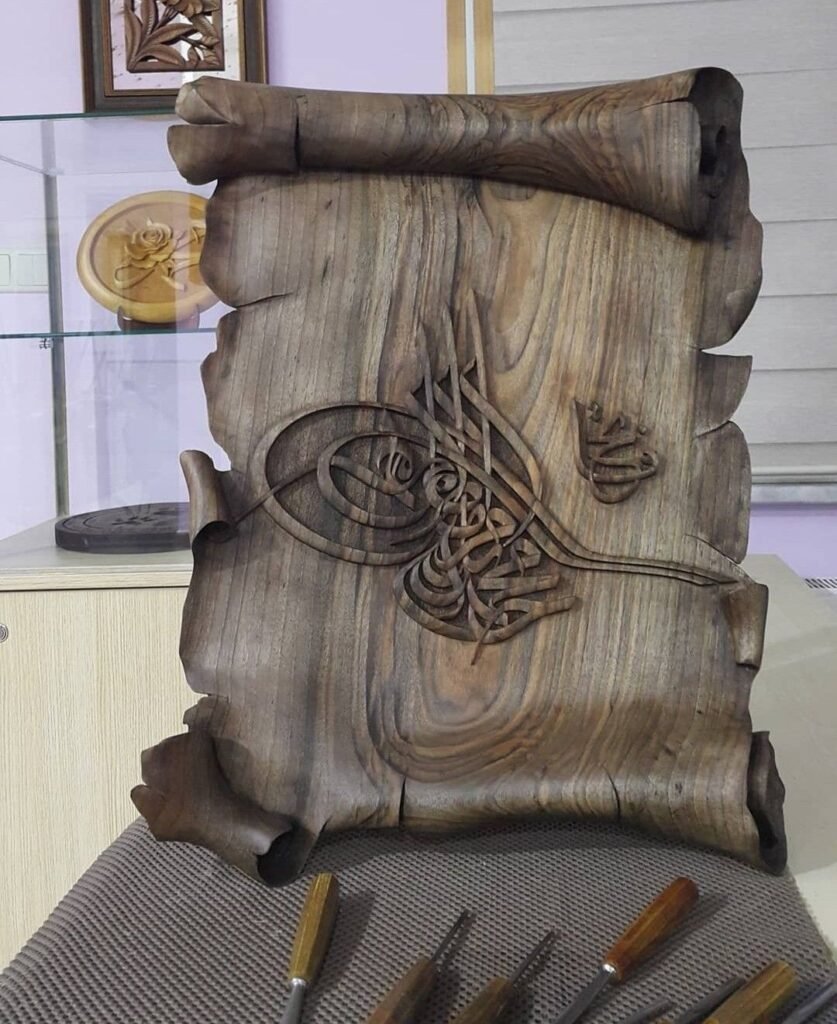
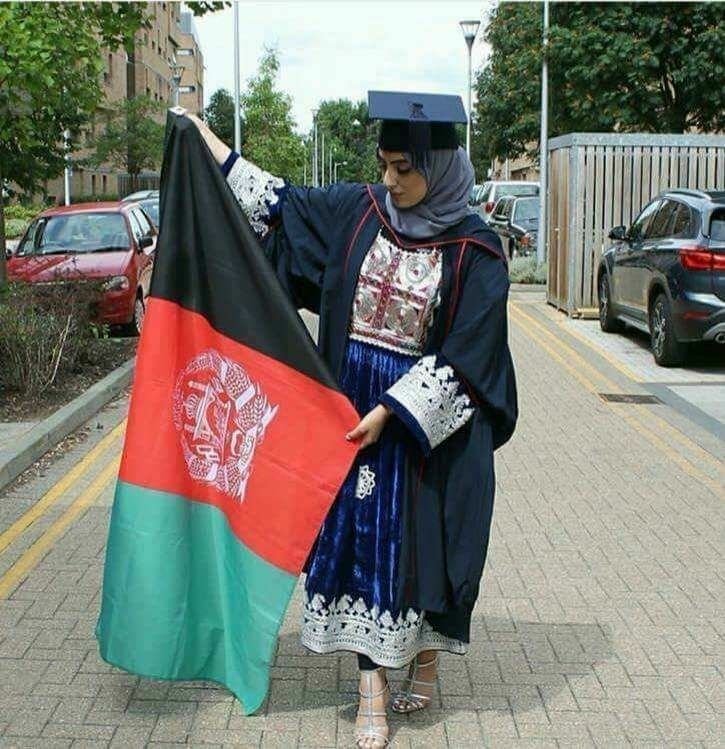
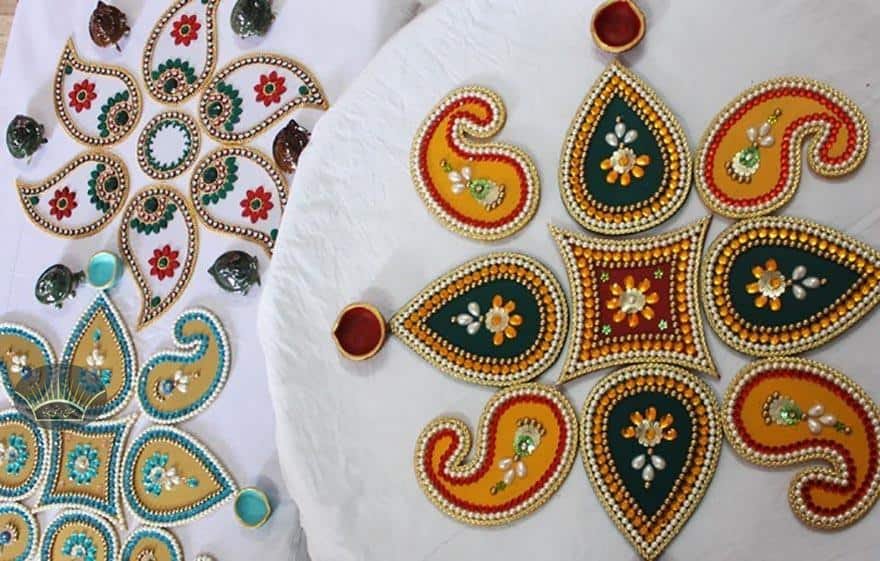
Handicrafts and Traditional Arts of Herat Herat, one of Afghanistan’s oldest cities and the cultural gem of the country’s west, is renowned not only for its magnificent architecture and rich history but also as a center of unique handicrafts and traditional arts. These crafts, passed down from generation to generation, not only display beauty and precision but also preserve the cultural and historical identity of the people of Herat. Every piece created by Herat’s artisans tells a story of skill, creativity, and ancient tradition. History of Handicrafts in Herat The handicrafts of Herat have deep roots in centuries of experience, Islamic culture, and cross-cultural exchange. Herat’s geographical position along the ancient Silk Road made it a hub for artistic exchange between East and West, where diverse artistic techniques blended with local traditions. As a result, Herat’s handicrafts reflect the fusion of history, culture, and craftsmanship that defines the region. Types of Handicrafts in Herat Herat is home to a wide variety of handmade crafts, each reflecting the creativity and cultural identity of its people. Some of the most significant include: Herat Carpets and Kilims: Known for their unique patterns and colors, Herat carpets are not only beautiful but also durable and valuable. Each design tells a story of the region’s cultural heritage. Khatam and Wood Inlay Work: Wooden and metal crafts, decorated with intricate details, showcase the high level of skill among Herat’s craftsmen. These are used as decorative pieces or gifts. Pottery and Ceramics: Decorative and functional pottery items with traditional motifs and vibrant colors display the artistry of Herat’s potters. Textiles and Traditional Clothing: The colorful fabrics and traditional garments of Herat are not only aesthetically pleasing but also reflect the cultural identity and heritage of the region’s people. Cultural and Economic Importance The handicrafts of Herat play a vital role in preserving the city’s cultural and historical identity. Each handmade product — whether a carpet, ceramic, or woodwork — carries the values, stories, and traditions of the Herati people. Economically, handicrafts are a major source of income for many local families. Local shops, seasonal bazaars, exhibitions, and even online sales platforms offer opportunities to promote and sell these products both nationally and internationally. Thus, Herat’s crafts hold both cultural and economic significance for the region. Challenges and Solutions Despite their importance, Herat’s handicrafts face several challenges: Proposed Solutions: The handicrafts and traditional arts of Herat are a living and invaluable heritage that connects the city’s past, culture, and identity to the present. Preserving and promoting these arts is not only about safeguarding traditions but also about creating economic opportunities and enhancing tourism. Every handmade piece from Herat is more than just a product — it is a living story of history, culture, and craftsmanship.