wikiarya.com

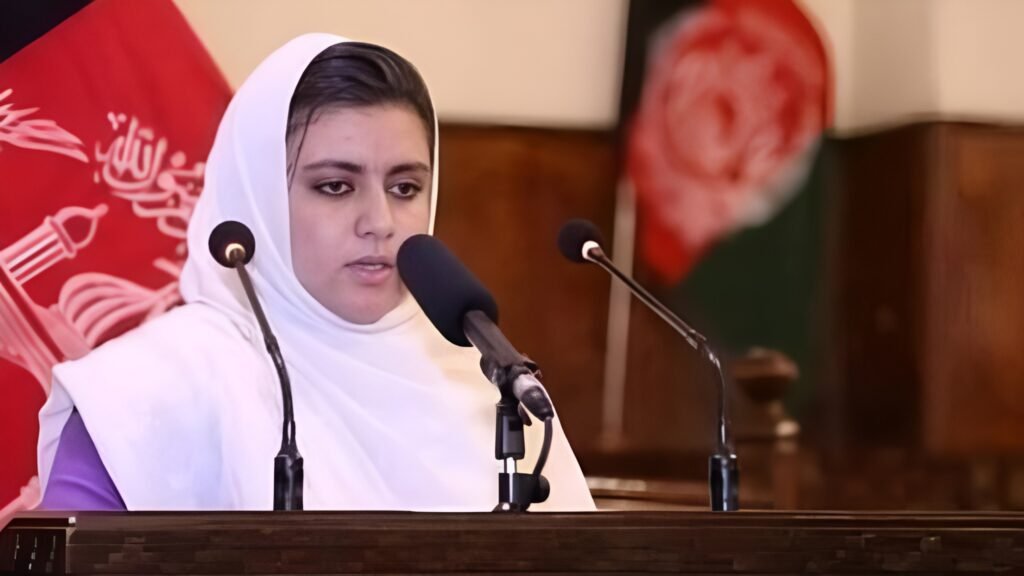
Farah Ahmedi
Editor's Choise, Most Read, Popular Articles, Popular Topics, Recent News, Recent Topics, Special Reports, Top New, Uncategorized, Weekly Contents, Weekly Posts

Farah Ahmedi – Afghan Author and Inspirational Speaker

Farah Ahmedi – Afghan Author and Inspirational Speaker Farah Ahmedi is an Afghan woman who faced extremely difficult experiences during her childhood and later shared her story in the form of a memoir. Her life story—including losing a leg to a landmine, migrating, and rebuilding her life in the United States—has captured the attention of readers worldwide. Today, she is recognized as an author and motivational speaker, inspiring audiences with her story of resilience and hope. Early Life and Childhood Farah Ahmedi was born in Kabul, Afghanistan, during a time of intense and prolonged conflict. Her early childhood was marked by instability, fear, and the daily challenges of living in a war-torn country. At the age of seven, while walking to school, she accidentally stepped on a landmine. The explosion caused life-altering injuries, including the loss of one of her legs and severe trauma to her body. Following the accident, Farah underwent extensive medical treatment and rehabilitation. Initially, she received care in Afghanistan, but due to the severity of her injuries and the lack of adequate medical facilities, she was later transferred to Germany for further treatment. This period was physically and emotionally demanding, requiring months of surgeries, therapy, and adaptation to a prosthetic limb. During this time, her family faced additional challenges as refugees, moving from place to place in search of safety, stability, and opportunities for a better future. Despite the immense hardships, Farah’s resilience and determination became evident from a young age. Her experiences shaped not only her physical recovery but also her inner strength, perseverance, and eventual commitment to education, storytelling, and advocacy for other children affected by war. Migration, Treatment, and Rebuilding Following her injury, Farah spent some time in Germany for medical treatment and later returned to Pakistan. Eventually, she and her mother were able to migrate to the United States and settled in cities such as Chicago. Moving to America marked the beginning of a new chapter in her life, focused on rebuilding, learning English, and continuing her education. Education After arriving in the United States, Farah worked diligently to make up for the educational opportunities lost due to war and displacement. She completed her high school education and later attended college, further advancing her studies. From a young age, she had a passion for writing, storytelling, and public speaking, which developed alongside her academic progress. Writing Her Memoir — The Other Side of the Sky Farah Ahmedi documented her life experiences in the memoir The Other Side of the Sky. The book narrates her journey from childhood in Afghanistan, surviving a landmine accident, undergoing treatment in Germany, experiencing refugee life in Pakistan, and finally adapting to life in the United States. The writing style is simple yet emotionally powerful, allowing readers to connect deeply with her personal journey. Achievements and Impact Current Life Today, Farah Ahmedi is a college-educated mother of two and an active speaker. She continues to write, engage with young people, and participate in cultural and educational programs. She believes that honest storytelling can change the world and amplify the voices of those who suffer in silence. Farah Ahmedi represents resilience, hope, and strength. From a childhood marked by war and injury to building a new life in a foreign land, she turned her experiences into a memoir that speaks to audiences worldwide. Her story is not only a personal account of an Afghan girl but also a reflection of the struggles and determination of generations affected by war and displacement, showing that even in the most challenging circumstances, it is possible to rebuild and thrive.
Rubina Moqimyar
Editor's Choise, Most Read, Popular Articles, Popular Topics, Recent News, Recent Topics, Special Reports, Top New, Uncategorized, Weekly Contents, Weekly Posts

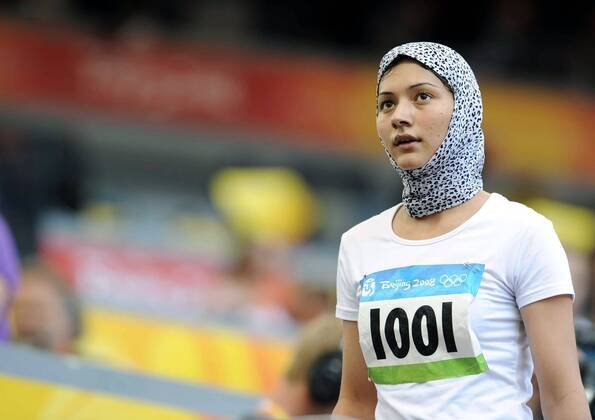
Rubina Moqimyar – Afghanistan’s 100-Meter Sprint Star and Symbol of Women’s Determination

Rubina Moqimyar – Afghanistan’s 100-Meter Trailblazer and a Symbol of Women’s Determination Introduction and Early Life Rubina Moqimyar was born in Kabul, Afghanistan, during a time when strict social norms and political conditions greatly limited women’s access to education, sports, and public life. Growing up in a large family that valued resilience and self-reliance, she learned the importance of hard work and perseverance from an early age. During the years when girls were not allowed to attend school or participate in athletics, Rubina continued her studies at home and nurtured her growing passion for physical activity and running. After the political changes in the early 2000s, opportunities for Afghan girls slowly began to reopen. Rubina seized this moment and committed herself to pursuing athletics. She had a natural talent for sprinting, and once the path became available, she stepped into the world of sports with energy, discipline, and determination. Entering the World of Sprinting Rubina began her athletic journey in an environment lacking professional sports infrastructure. There were no modern training tracks, no specialized equipment, and no expert coaches available to guide her. Still, she trained consistently, often in open fields or makeshift spaces, using basic tools and relying heavily on her own creativity. Her training extended beyond physical preparation. Rubina focused on building mental strength, discipline, and concentration — qualities essential for any athlete who hopes to compete at an elite level. She understood early on that if she wanted to stand on the world stage, she needed not only physical speed but also emotional endurance and inner confidence. Challenges Faced as a Female Athlete in Afghanistan Rubina’s path was filled with obstacles that would discourage most athletes, especially women living under restrictive conditions. She confronted: 1. Lack of proper sports facilities With no standard running tracks or high-quality training resources, she crafted her own routines and trained in whatever safe space she could find. 2. Social and cultural resistance In a society where women’s participation in sports was often questioned or discouraged, Rubina faced stigma, criticism, and doubt — yet she continued moving forward. 3. Limited access to professional coaching Without experienced female coaches or technical support, she learned many sprinting techniques on her own through practice and observation. 4. Security and safety concerns Instability and insecurity restricted her training options, making it difficult to follow a consistent athletic schedule — but she persevered regardless. Rubina overcame these barriers through sheer determination and an unwavering belief in her own potential. Historic International Representation Rubina Moqimyar made history as one of the very first Afghan women to ever compete in the Olympic Games. Still in her teenage years, she stepped onto the track as a representative of Afghanistan in the 100-meter sprint. Her participation was far more significant than a single race. Wearing her headscarf and standing with confidence before a global audience, Rubina symbolized the courage of Afghan women and the start of a new era in Afghan sports. She proved that even without advanced facilities or equal opportunities, Afghan women could compete on the world stage. She later represented Afghanistan in another Olympic appearance, marking her as one of the most recognized female athletes in the country’s modern history. Social Impact and Inspiration Rubina’s influence extends far beyond athletic performance. Her visibility transformed public perceptions of Afghan women in sports. She inspired countless young girls across the country — girls who had never imagined that someone from their background could one day stand at the Olympics. Her journey encouraged many families to support their daughters’ athletic ambitions. Through her example, she demonstrated that strength, modesty, faith, and athletic excellence can coexist. She also caught the attention of international media and organizations, motivating global support for women’s sports in Afghanistan. Leadership, Advocacy, and Future Goals Following her competitive years, Rubina became active in social and public initiatives. She used her platform to advocate for women’s empowerment, youth development, and expanded opportunities for girls in both education and sports. Her goals include: Rubina continues to be an influential figure whose voice and experience highlight the importance of perseverance and opportunity. Rubina Moqimyar stands as one of Afghanistan’s most inspiring sports pioneers. Despite growing up with limited resources, cultural barriers, and social restrictions, she reached the world’s greatest athletic stage — the Olympic Games. Her journey is a testament to the power of determination, courage, and hope. She has become a symbol of possibility for Afghan women and a reminder that talent can shine even in the most challenging circumstances.

Zakia Khudadadi
Editor's Choise, Most Read, Popular Articles, Popular Topics, Recent News, Recent Topics, Special Reports, Top New, Uncategorized, Weekly Contents, Weekly Posts

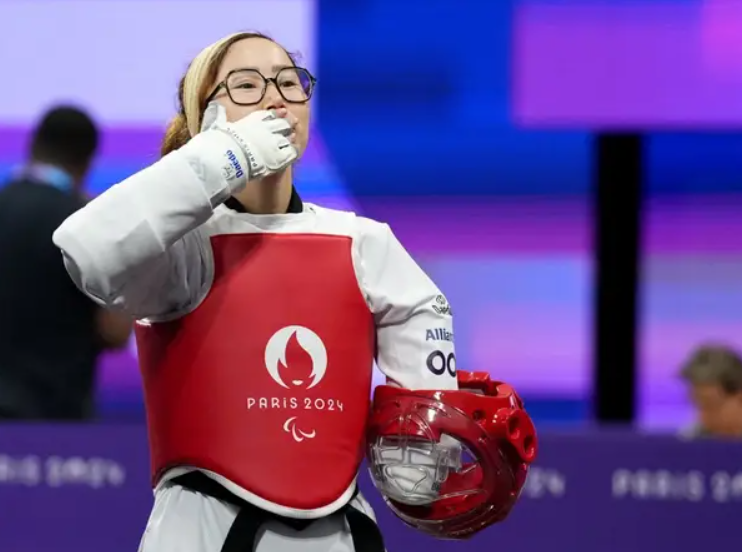
Zakia Khudadadi – Afghan Taekwondo Champion and Symbol of Courage

Zakia Khudadadi – Afghan Taekwondo Champion and Symbol of Courage Zakia Khudadadi is one of Afghanistan’s most remarkable contemporary athletes—a figure who transcends the title of a sports champion to become a symbol of resilience, courage, and indomitable determination for women and refugees around the world. She achieved success in a context where many Afghan girls are denied even the most basic right to participate in sports. Despite these challenges, Zakia relentlessly overcame social, cultural, and physical barriers, carving a path that today inspires millions. By winning a bronze medal at the Paralympic Games while representing the Refugee Team, Zakia placed Afghanistan among the countries whose women—even under the harshest circumstances—can stand on the global podium. She is the first Afghan woman to medal in Paralympic Taekwondo, a historic accomplishment that represents not only a sporting victory but also a landmark moment for all Afghan women. The significance of her achievement goes beyond the medal or the competition itself. Her success carries a larger message: Zakia Khudadadi has demonstrated that sports can be more than physical strength; it can serve as a language of resistance, a voice for silenced women, and a symbol of defiance against discrimination. She proved that even with hardships, cultural pressures, social prejudice, and forced migration, nothing can stop the brilliance of a determined spirit. Her success today stands as a beacon of hope for the Afghan people. Millions of Afghan girls, inspired by Zakia, realize that achieving a global stage is not merely a dream but the result of dedication, training, and belief in one’s own abilities. Zakia Khudadadi is more than a Paralympic champion—she is a global role model for women’s resilience. Her life story teaches that with faith and perseverance, even the most difficult paths can lead to moments that inspire the world. Athletic Journey and Training Zakia’s passion for Taekwondo became evident during her teenage years. She trained under challenging circumstances, often relying on personal effort, online resources, and occasional guidance from local coaches. Her courage and persistence allowed her to excel in martial arts, developing both physical strength and mental resilience. After migrating and gaining access to better facilities, Zakia refined her skills through international training programs and coaching. Her determination and discipline allowed her to compete at higher levels, ultimately preparing her for the global stage of the Paralympic Games. Overcoming Challenges Zakia’s journey has been defined by overcoming significant obstacles: Zakia’s story exemplifies that determination, perseverance, and courage can overcome even the most daunting obstacles. Historic Paralympic Achievement At the Paralympic Games, Zakia Khudadadi represented the Refugee Team in the –47 kg (K44) Taekwondo category. She achieved the bronze medal, marking a historic milestone: Her success sent a strong message: no matter the circumstances, women and refugees can achieve greatness and reach the global stage. Social and Cultural Impact Zakia Khudadadi’s accomplishments extend far beyond sports. She has become a symbol of empowerment, courage, and hope: Future Goals and Vision of Zakia Khudadadi Zakia Khudadadi continues to train and aims to compete in future international competitions. Her vision is not only to win more medals but also to: Through her dedication, talent, and leadership, Zakia demonstrates that women’s empowerment and personal determination can overcome social, cultural, and physical limitations. She represents hope, courage, and a brighter future for Afghan women and girls globally. Zakia Khudadadi is more than a Paralympic medalist; she is a trailblazer, a symbol of resilience, and a global ambassador for women in sports. Her journey illustrates that with education, training, and unwavering determination, women can achieve unprecedented success and inspire change in their communities and the world. Her motto could be summarized in one sentence: “No challenge is too great for Afghan women.” Zakia Khudadadi’s life and achievements continue to inspire, proving that with courage, persistence, and vision, barriers can be overcome, and history can be rewritten.

Editor's Choise, Most Read, Popular Articles, Popular Topics, Recent News, Recent Topics, Special Reports, Top New, Uncategorized, Weekly Contents, Weekly Posts

Habiba Sarabi – Afghanistan’s First Female Governor and Advocate for Women’s Empowerment

Habiba Sarabi – Afghanistan’s First Female Governor and Advocate for Women’s Empowerment Habiba Sarabi is one of Afghanistan’s most influential political and social figures, known for her remarkable contributions to women’s empowerment, education, and development. She became the first female governor of Bamyan province and, through her knowledge, leadership, and courage, earned recognition as a strong advocate for women’s rights both nationally and internationally. Habiba Sarabi was born in Afghanistan and spent her childhood and teenage years in circumstances where women faced severe limitations. Cultural and social restrictions, limited access to education, and the minimal presence of women in political and social activities were some of the major challenges she encountered from a young age. Despite these restrictions, Sarabi chose a path focused on education, social justice, and women’s empowerment. She received support from her family and demonstrated exceptional talent in learning, leadership, and community engagement. Habiba Sarabi’s Education From early on, Habiba Sarabi understood the importance of education and consistently prioritized her academic journey. She completed her primary and secondary education in Afghanistan, and despite cultural and social barriers for girls, she continued her educational path. After finishing her foundational studies, she pursued Political Science, International Relations, and Public Administration, completing her higher education in these fields. She attended reputable academic institutions in Afghanistan and participated in various international training programs that strengthened her skills in governance, leadership, and policymaking. Her key fields of study included: Her extensive and multidimensional education enabled her to become influential not only within Afghanistan but also on the international stage, shaping development programs and women-centered initiatives. Habiba Sarabi as the Governor of Bamyan As the governor of Bamyan, Habiba Sarabi implemented important and impactful initiatives that strengthened women’s roles and improved education and social development. Some of her key accomplishments include: National and International Influence Habiba Sarabi is recognized not only at the national level but also internationally as a pioneering leader in women’s education and empowerment. Over the years, she has participated in numerous global conferences, panels, and programs to highlight the challenges faced by Afghan women and to emphasize the importance of education. She has collaborated with major international institutions such as the United Nations, UNDP, and global human-rights organizations, playing an active role in shaping policies and development programs related to women’s participation and empowerment. Her international contributions include: Her leadership and global engagement continue to inspire Afghan women and women in developing countries to fight for their rights, challenge limitations, and play an active role in shaping their societies. Achievements Habiba Sarabi’s efforts have significantly strengthened women’s roles in government and society. Some of her most notable achievements include: Inspiration and Social Impact Habiba Sarabi is a powerful example of a courageous, educated, and visionary woman who has brought meaningful social change to Afghanistan. Her life demonstrates that with education, determination, and resilience, women can overcome limitations and play influential roles in politics and society. She remains one of Afghanistan’s most respected leaders, whose work in education, empowerment, and social development continues to shape the future of Afghan women and communities.

Shakriya Barkazi
Editor's Choise, Most Read, Popular Articles, Popular Topics, Recent News, Recent Topics, Special Reports, Top New, Uncategorized, Weekly Contents, Weekly Posts

Shakriya Barkazi – Afghan Diplomat and Politician, Advocate for Women’s Education and Empowerment

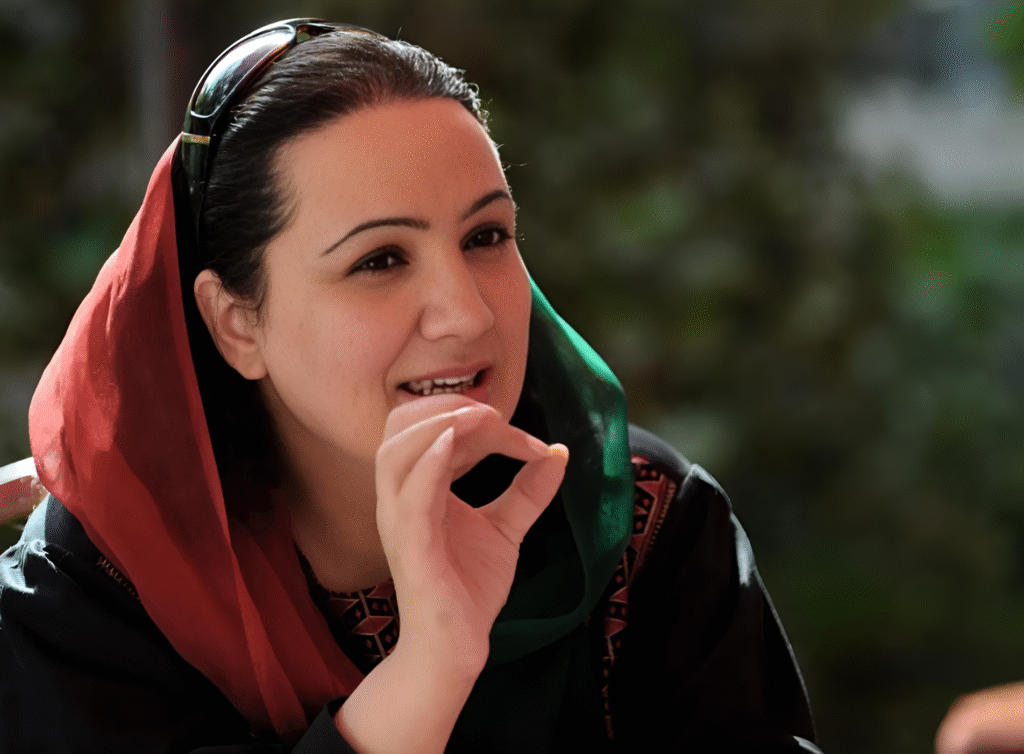
Shakriya Barkazi – Afghan Diplomat and Politician, Advocate for Women’s Education and Empowerment Shakriya Barkazi is one of Afghanistan’s prominent political and diplomatic figures, widely recognized for her consistent and impactful efforts in promoting women’s education and empowerment. She is not only a professional diplomat and active politician at the national and international levels but also a staunch advocate for women’s rights and a pioneer of social change in Afghanistan. Barkazi has played a key role in advancing the status of women in Afghanistan’s social and political structures through her active participation in policy-making and diplomacy. By creating and supporting programs and policies that expand women’s access to education, employment opportunities, and political participation, she has significantly reduced traditional and cultural barriers. Her influence extends beyond politics and diplomacy. Using her leadership skills, educational advocacy, and participation in international dialogues, Barkazi has inspired new generations of Afghan women to fight for their rights and actively engage in social and political decision-making. She is also recognized globally as a strong voice for gender equality and social justice. Her presence in international conferences and dialogues has brought Afghan women’s issues and the importance of their education to worldwide attention. Shakriya Barkazi represents women who, through a combination of knowledge, experience, and determination, have made a meaningful impact on society and remain one of Afghanistan’s most influential contemporary women. Life Journey and Early Development of Shakriya Barkazi Shakriya Barkazi was born in Afghanistan and spent her childhood in a society with significant limitations on women. Cultural restrictions, limited access to education, and constrained participation in social and political life were challenges she faced from an early age. These experiences created a strong motivation in her to build her life around education, social justice, and women’s empowerment. From her teenage years, Barkazi recognized the importance of women’s education and social participation. By focusing on these areas, she worked to ensure that Afghan women’s voices were heard at national and international levels. Diplomatic and Political Career Throughout her professional career, Shakriya Barkazi has served in various diplomatic and political roles, participating in national and international decision-making platforms. Her key activities include: Achievements Shakriya Barkazi’s efforts have had a tangible impact on Afghan society and women’s status. Some of her key achievements include: Social and International Impact Barkazi is recognized not only nationally but also internationally. Through speeches, publications, and participation in global conferences, she has amplified the voices of Afghan women to the international community. Her work inspires young Afghan girls and women, as well as activists and organizations worldwide advocating for women’s rights. Her role in international dialogues demonstrates how women, through education, determination, and active participation, can influence society and politics and overcome societal limitations. Inspiration and Social Significance Shakriya Barkazi exemplifies a courageous and informed woman who has achieved meaningful social change through effort, bravery, and dedication to justice. She demonstrates that women’s education and empowerment are not only their rights but also beneficial for society as a whole. Her work serves as an inspiration for: Shakriya Barkazi is not only a successful diplomat and politician but also a dedicated advocate for women’s education and rights in Afghanistan. Her work in education, policy-making, and diplomacy has inspired new generations of women and contributed to creating positive and lasting change in society. Her life and achievements show that with determination, effort, and access to education, women can overcome barriers and play a significant and influential role in society and politics.

Hoda Khamosh
Editor's Choise, Most Read, Popular Articles, Popular Topics, Recent News, Recent Topics, Special Reports, Top New, Uncategorized, Weekly Contents, Weekly Posts

Hoda Khamosh – Afghan Poet, Writer, and Women’s Rights Activist

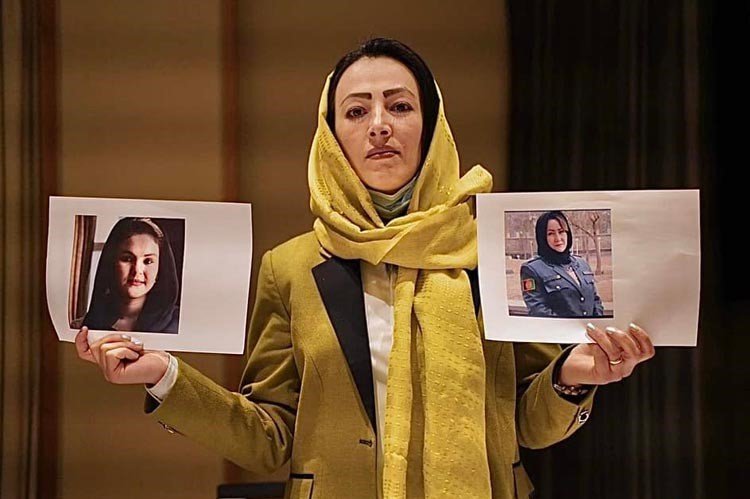
Hoda Khamosh – Afghan Poet, Writer, and Women’s Rights Activist Hoda Khamosh is one of the most prominent cultural, literary, and social figures in Afghanistan. She is widely recognized as a poet, writer, and women’s rights activist. Through her literary works and social initiatives, she has amplified the voices of Afghan women on the international stage, striving to promote justice, equality, and human rights. Hoda’s works and activities demonstrate how literature and culture can serve as powerful tools for social change and inspiration. Early Life and Background Hoda Khamosh was born in Afghanistan during a period marked by political instability and ongoing conflict, which had a profound impact on the lives of ordinary citizens, especially women and girls. From an early age, she witnessed the social and cultural limitations imposed on women, including restricted access to education, limited freedom of expression, and the constant threat of violence. These formative experiences deeply shaped her understanding of social injustice and inspired a lifelong commitment to advocating for change. Growing up in such challenging circumstances, Hoda quickly realized the transformative power of education and cultural awareness. Despite the societal obstacles, she demonstrated remarkable resilience and determination, valuing learning not just as a personal goal but as a tool for empowerment and community change. From her childhood, Hoda was drawn to literature and poetry. She found in writing a safe space to explore her emotions, articulate her experiences, and raise her voice against gender inequality and social restrictions. Poetry became both a personal refuge and a public platform for advocacy. By the time she reached adolescence, she had already developed a distinct voice that combined creativity with a strong sense of social responsibility. This early engagement with literature and the arts laid the foundation for Hoda’s later career as a professional writer and social activist. Her childhood experiences, shaped by war and societal challenges, not only informed her literary themes but also instilled a sense of urgency to use her skills and voice to contribute to the advancement of women and the promotion of social justice in Afghanistan and beyond. Literary Work As a poet and writer, Hoda Khamosh has published numerous works addressing key issues such as: Her poetry and writings combine deep personal emotion, social analysis, and cultural messages. Hoda’s literary style is both compelling and inspiring, capturing the attention of global audiences and raising awareness about women’s issues and social justice. Her works have been featured in literary festivals and international publications, reflecting both the struggles and resilience of Afghan women and the broader cultural heritage of Afghanistan. Social and Women’s Rights Activism In addition to her literary career, Hoda Khamosh plays a pivotal role in social activism and women’s rights. She has represented Afghan women in international dialogues, advocating for women’s issues on a global scale. Key areas of her activism include: Through speeches, interviews, and publications, Hoda has given a voice to millions of Afghan women, inspiring global attention and action to support their rights and opportunities. Achievements and International Impact Hoda Khamosh is recognized both nationally and internationally. Her contributions as a poet, writer, and activist have drawn the attention of international organizations, universities, and media outlets. Social Significance Hoda Khamosh exemplifies a courageous and influential woman who has demonstrated how art and social engagement can drive meaningful change. She illustrates the power of words to raise awareness, inspire generations, and empower communities. Her activism and literary contributions inspire: Hoda Khamosh is not only a distinguished poet and writer but also a dedicated women’s rights activist and a voice for social justice in Afghanistan and worldwide. Her life and works inspire generations of women and girls who seek equality, freedom, and cultural and social development. Hoda’s journey demonstrates that with determination, courage, and persistence, obstacles can be overcome and meaningful change can be achieved. She symbolizes hope, resilience, and empowerment for Afghan women and beyond.

Korsi
Editor's Choise, Most Read, Popular Articles, Popular Topics, Recent News, Recent Topics, Special Reports, Top New, Uncategorized, Weekly Contents, Weekly Posts

Korsi: A Warm Refuge on Cold Winter Nights

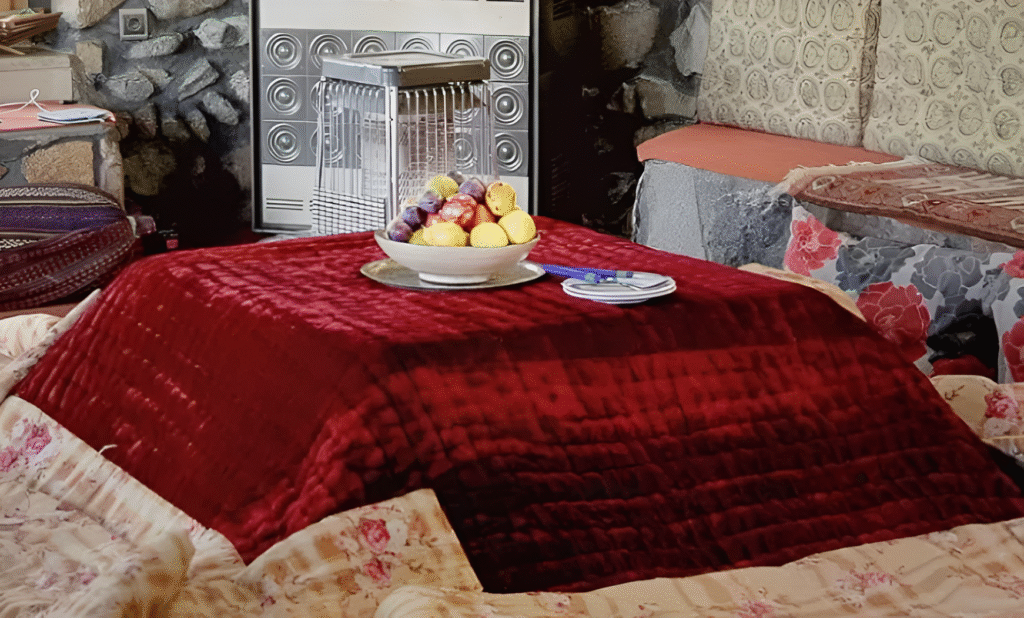
Korsi: A Warm Refuge on Cold Winter Nights As winter arrives and cold winds sweep through the streets and alleys, homes gradually take on a different atmosphere. Frost creeps along the windows, snow gently blankets the rooftops, and the quiet of the streets is broken only by the laughter of children or the crackle of burning wood.Within this winter scene, the korsi stands as a symbol of warmth, love, and the sweet moments of life. The korsi is not merely a heating device; it is a living reminder of kindness, family bonds, and ancient traditions. Around it, family members gather like pearls of the heart—drinking tea, sharing stories, and filling the room with laughter. Beneath the thick blanket, the soft flames blend with the warmth of human hearts, creating an atmosphere that makes the chill of winter fade away. Children’s laughter, the gentle conversations of mothers, and the soothing stories of grandparents fill the space. The whistle of the samovar, the aroma of freshly brewed tea, and the soft rustle of blankets bring life to the home, turning it into a refuge of safety and warmth—where the heat comes not from coal or fire, but from love, presence, and shared memories. Korsi A korsi is essentially a small wooden table with a heat source beneath it, such as embers, coal, or a brazier. A thick, soft blanket is draped over the top, and family members sit around it to stay warm. This age-old tradition remains alive in many communities, especially in homes where the korsi’s warmth surpasses that of modern heaters or stoves. Korsi: A Reason to Be Together The warmth of the korsi comes not just from the fire beneath it, but from the love and connection of those gathered around it. Winter evenings are enriched by the laughter of children, the gentle chatter of mothers and grandparents, and the steam of freshly brewed tea.In these nights, the scent of citrus peels, the aroma of tea, and the soft crackle of the samovar blend into a comforting and nostalgic experience that no modern device can replace. Korsi and Yalda Night: The Longest Night, The Warmest Memories On Yalda, the longest night of the year, families gather at their grandmother’s or mother’s home. Yalda without a korsi would lose its true meaning.Around the korsi, everyone enjoys a cup of tea, plates of pomegranate and watermelon, and the soothing stories of grandparents. Poetry readings, fortune-telling, and the laughter of grandchildren fill the house with joy.In the warmth of the korsi, hearts come closer together, and the winter chill outside loses all meaning. Winter Activities Around the Korsi The korsi is not only for warmth; it is the center of entertainment and family storytelling. Some beloved winter activities include: These simple yet profound moments strengthen family bonds and remind us that true happiness lies not in wealth or luxury, but in being together. Korsi: A Heritage to Preserve With the rise of modern lifestyles, many families no longer use the korsi. Preserving this beautiful tradition means maintaining our cultural identity and family values.The korsi is more than an object—it is a bridge between the past and the present, connecting the warmth of hearts from the old days with today’s modern life. The korsi symbolizes love, unity, and the sweet memories of winter. Every time a family gathers around a korsi on a cold night, they are keeping their ancient culture alive.Let us preserve this heritage so that our children can experience the true warmth of life, not only from heaters or stoves, but from the love of family.

Nadia Nadim
Editor's Choise, Most Read, Popular Articles, Popular Topics, Recent News, Recent Topics, Special Reports, Top New, Uncategorized, Weekly Contents, Weekly Posts

Nadia Nadim – Afghan-Danish Footballer: From Refugee to International Football Star

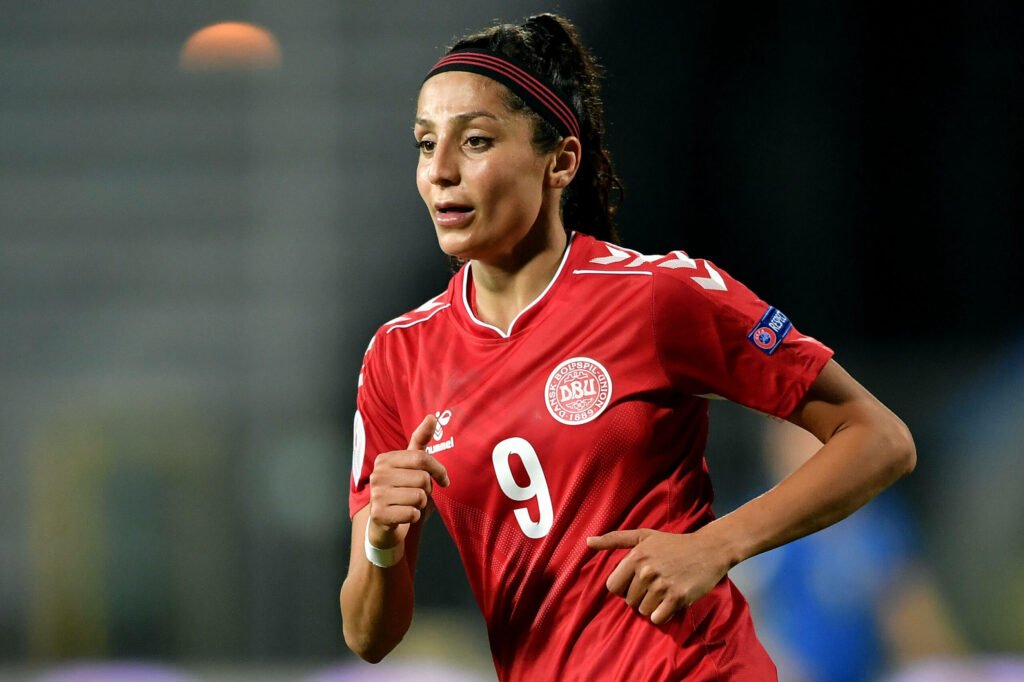
Nadia Nadim The life of Nadia Nadim is a vivid example of resilience, courage, and unwavering determination. Born in Afghanistan, she was forced to flee her home as a child due to war and the tragic loss of her father. Despite these hardships, she navigated the difficult path of refugee life and emerged as one of the brightest stars in women’s football worldwide. Her story symbolizes hope, women’s empowerment, and the transformative power of sport. Early Life and Refugee Journey Nadia Nadim was born on January 2, 1988, in Herat, Afghanistan. Her father, a general in the Afghan army, was executed by the Taliban when Nadia was only eleven years old. Following this tragedy, her mother fled the country with Nadia and her sisters, enduring a perilous journey that ultimately led them to Denmark, where they were granted refugee status. Adjusting to life in Denmark was not easy for Nadia. She did not speak Danish and faced a completely new culture. Nevertheless, with determination and passion, she began playing football in refugee camp fields, discovering both her love and talent for the sport. Football Career and Achievements Nadia’s talent quickly propelled her from local Danish teams to professional European clubs. She has played for prominent clubs such as: In every team, she earned respect from teammates and fans alike through her skill, physical strength, and dedication. National Team Since 2009, Nadia has been a member of the Danish women’s national football team, participating in over 100 international matches. Her decisive goals have played a vital role in the team’s success in major competitions. With her contribution, Denmark reached the 2017 UEFA Women’s European Championship final, achieving a remarkable milestone. Honors and Awards Education and Life Beyond Football Nadia Nadim is not only a professional footballer; alongside her sports career, she pursued her medical studies with great determination and successfully earned her medical degree. This rare achievement among professional athletes highlights her exceptional commitment, discipline, and time-management skills, as she managed to balance rigorous training and international competitions while completing one of the most demanding fields of study. In addition, Nadia is fluent in nine languages, including Persian, Pashto, English, Danish, French, and German, among others. Her linguistic abilities not only reflect her remarkable intelligence and memory, but also demonstrate her capacity to adapt to different cultures, communicate effectively with diverse people, and take on multifaceted roles at an international level. Nadia’s combination of athletic excellence, academic achievement, and multilingual skills makes her a true role model and source of inspiration for girls and women worldwide, showing that with perseverance and determination, ambitious goals can be achieved. Inspiration and Social Impact Nadia Nadim is a voice for millions of girls and women worldwide facing adversity, discrimination, and conflict. She emphasizes the values of resilience, hope, and education, and often states that true success lies in the ability to inspire others, not just in scoring goals or winning trophies. Her life demonstrates that with determination and effort, light can be created even in the darkest circumstances. From refugee camps to the world’s largest stadiums, Nadia Nadim’s journey is a story of hope, perseverance, and the realization of dreams. She is not only a football star but also a symbol of strength, hope, and empowerment for Afghan women. Her story reminds millions that no obstacle is too great to prevent the pursuit of one’s dreams.

Malala Maiwand – The Young Journalist Who Became a Symbol of Women’s Freedom of Speech in Afghanistan
Editor's Choise, Most Read, Popular Articles, Popular Topics, Recent News, Recent Topics, Special Reports, Top New, Uncategorized, Weekly Contents, Weekly Posts

Malala Maiwand – The Young Journalist Who Became a Symbol of Women’s Freedom of Speech in Afghanistan

Malala Maiwand In the turbulent and challenging history of Afghanistan, the name Malala Maiwand shines like a bright light amidst the darkness of years marked by war, violence, and censorship. She entered the field of journalism at a time when speaking the truth could cost one’s life, and being a woman alone required extraordinary courage. Despite all threats and limitations, Malala decided not to remain silent and chose to be the voice of those who had lived for years in fear and silence. She was not only a passionate and professional journalist but also the awakened conscience of a silent society. In an era when many women were deprived of the right to speak, Malala broke the boundaries of fear with her pen and microphone and boldly voiced the truth. Her voice echoed the pains, hopes, and dreams of thousands of Afghan women hidden behind the walls of tradition and war. Through her reports, Malala Maiwand did not merely report the news; she narrated the lives of people who, amidst ashes and despair, still believed in a brighter tomorrow. She wrote about women who, even among ruins, were still building schools, and about girls who courageously held books in their hands to change the future. She stood against silence, resisted fear, and with every word, lifted a veil of truth. Malala was not only a journalist but also a voice of justice, hope, and light in a country long deprived of the illumination of free expression. The path she forged continues to inspire a generation of Afghan women who believe that a woman’s voice can change the world. Childhood and Early Interest in Journalism Malala Maiwand was born in the 1990s in Maidan Wardak province. Her family valued culture and knowledge, and from an early age, she was drawn to reading, writing, and following the news. Witnessing the difficult conditions faced by women and the widespread restrictions on education and work, Malala decided to become the voice of the unheard. After completing her secondary education, she joined local media outlets. She began reporting in Nangarhar and Kabul provinces, and her sharp, inquisitive perspective quickly gained attention from both audiences and media professionals. Entering the World of Media Malala worked in local television and radio networks, producing programs that focused on women’s rights, girls’ education, challenges faced by journalists, and social issues in Afghanistan. She believed that media should reflect the realities of society, even when those realities were harsh or dangerous. She once said: “Journalism is not just a job for me; it is a moral responsibility. We must tell the truth, even if it costs our lives.” This conviction shaped her entire career. Focus on Women’s Rights and Freedom of Speech Malala dedicated much of her work to issues often ignored by society, including violence against women, forced marriages, poverty, and unequal access to education. She courageously amplified the voices of women who were silenced by fear. Her reports drew attention from both the national and international community, highlighting the challenges Afghan women faced and encouraging broader discussions on women’s rights. Challenges, Threats, and Dangers In a country where journalism often comes with the risk of death, Malala Maiwand faced repeated threats. Extremist groups and opponents of free speech frequently targeted her and her colleagues. Yet she never stepped back. Malala understood the risks but believed that silence was worse than death. She once said: “If we remain silent, oppression continues. I would rather give my life for the truth than live in fear.” Martyrdom and Lasting Impact In December 2020, while on her way to work in Nangarhar, Malala Maiwand was tragically killed in a targeted attack. Her death sparked waves of grief and outrage across Afghanistan and around the world. Many journalists and activists hailed her as a symbol of a generation of courageous Afghan women fighting for freedom and justice. Her life and work highlighted the high cost of free speech in Afghanistan. However, her legacy did not die with her; it continues to inspire journalists and young Afghan women to speak the truth despite danger. Symbol of Courage and Voice for Afghan Women Malala Maiwand became a role model, especially for young Afghan women. Through her presence on media platforms and her fearless reporting, she demonstrated that women could excel in the traditionally male-dominated field of journalism. In a society where female journalists often face severe opposition, Malala’s confidence and skill broke stereotypes, proving that being a journalist knows no gender. Legacy of Malala Maiwand Malala’s contributions left a lasting mark in several key areas: Conclusion Malala Maiwand’s short but impactful life taught us that freedom of speech is not a privilege to be taken lightly—it is earned through courage, dedication, and perseverance. Through her words and actions, she wrote in the history of Afghanistan: “Women of this land can speak, can act, and can change the world.” Her name remains forever alongside other heroic Afghan women, such as Fereshteh Forough and Nilofar Rahmani, as a symbol of hope, awareness, and resilience.

Saba Sahar
Editor's Choise, Most Read, Popular Articles, Popular Topics, Recent News, Recent Topics, Special Reports, Top New, Uncategorized, Weekly Contents, Weekly Posts

Saba Sahar: The Voice of Afghan Women in Cinema

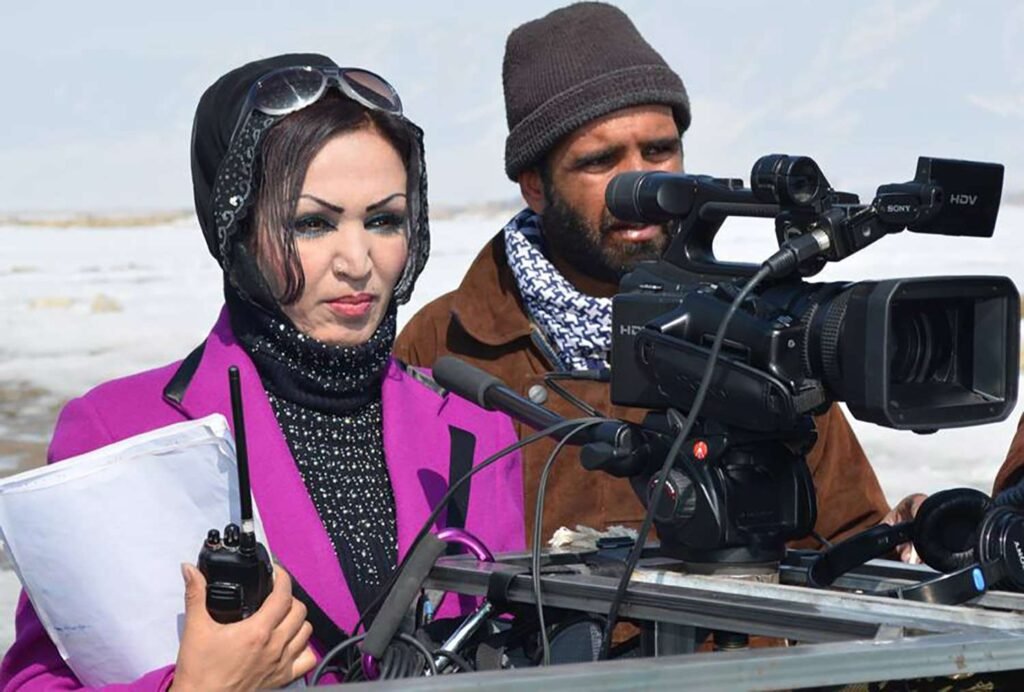
Saba Sahar Saba Sahar was born in the 1980s in Afghanistan, during a period of political instability and social unrest. She grew up in a traditional Afghan family that valued education, but like many girls of her generation, she faced significant restrictions due to cultural norms and the Taliban’s policies that limited women’s participation in public life. From a young age, Saba displayed a strong interest in storytelling, acting, and visual arts. Despite limited access to formal arts education, she pursued her passion independently, reading books on cinema, studying scripts, and practicing acting at home. Her early exposure to Afghan culture, poetry, and traditional storytelling deeply influenced her artistic vision. After completing her basic education, she sought opportunities to formally train in media and filmmaking. Saba Sahar’s determination and courage allowed her to overcome societal and political barriers, eventually becoming one of Afghanistan’s first professional female filmmakers following the fall of the Taliban. Career Achievements Impact and Legacy Saba Sahar’s journey is a story of courage, resilience, and vision. She has transformed Afghan cinema by highlighting women’s struggles, rights, and achievements.Her influence extends beyond the screen: she has empowered countless Afghan women to pursue careers in the arts, become storytellers, and challenge societal norms. Saba Sahar is more than a filmmaker; she is a trailblazer, mentor, and advocate for Afghan women, proving that art can be a powerful tool for social change and empowerment. Challenges and Social Obstacles Despite her talent and dedication, Saba Sahar has faced numerous challenges throughout her career. During the Taliban regime, women were barred from cultural and artistic activities, making it almost impossible for women to enter cinema. Even after the fall of the Taliban, she encountered: Through determination, courage, and creativity, Saba Sahar overcame these obstacles, proving that art and cinema can challenge societal barriers and inspire change.

Scroll to Top