wikiarya.com

https://wikiarya.com/the-cultural-heritage-of-calligraphy-in-herat/
Editor's Choise, Most Read, Popular Articles, Recent News, Recent Topics, Special Reports, Uncategorized, Weekly Contents, Weekly Posts

The Cultural Heritage of Calligraphy in Herat

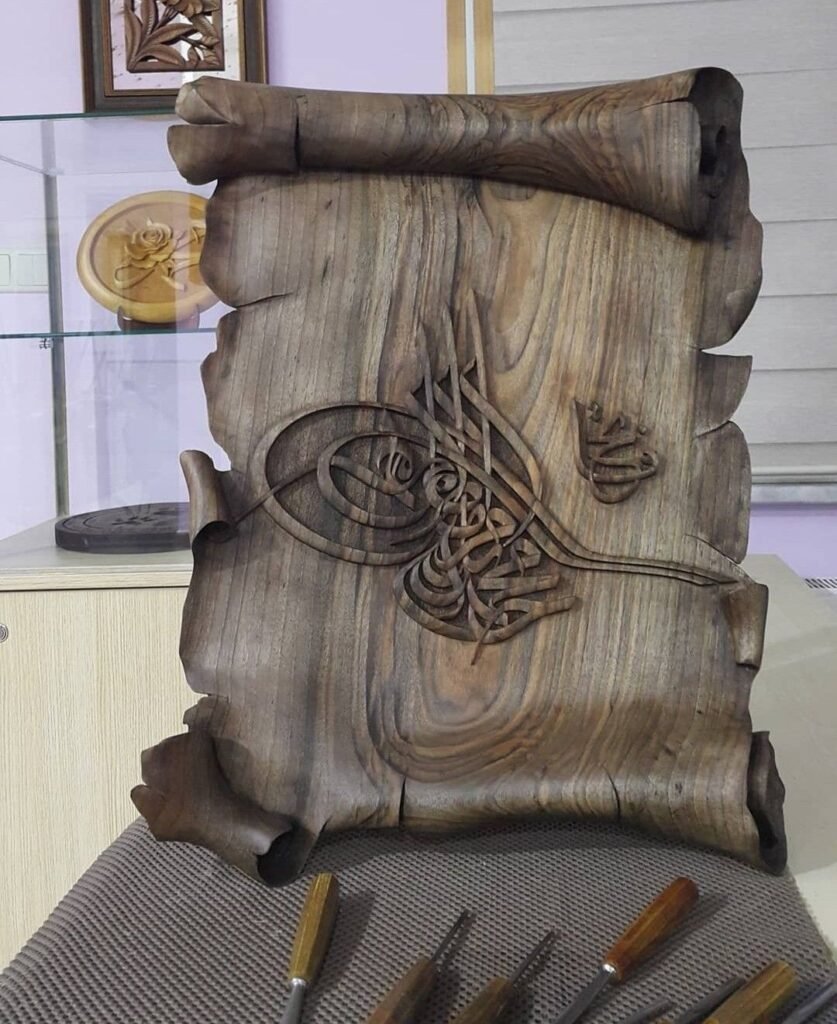
The Cultural Heritage of Calligraphy Herat, a city with a rich history, is often referred to as the jewel of Khorasan and has long stood out as a key hub for Islamic culture and the arts. Among its many artistic traditions, calligraphy holds a special place. This art is not only a reflection of visual beauty but also a deep connection between Islamic culture, mysticism, and Persian literature. Historical Background of Calligraphy in Herat The tradition of calligraphy in Herat began during the Timurid era of the 15th century. During this period, Herat became a major hub for literature, architecture, and Islamic art. Renowned masters such as Mir Ali Heravi and Sultan Ali Mashhadi emerged from the Herat school, establishing a tradition that later inspired calligraphers in Iran, India, and Central Asia. Popular Styles of Calligraphy in Herat Throughout history, Herat’s calligraphers mastered different scripts. The most notable ones include: Cultural Significance of Calligraphy in Herat In Herat, calligraphy went beyond being a simple form of art; it embodied the people’s cultural and spiritual identity. Many historic mosques, schools, and mausoleums are decorated with elegant inscriptions. This practice was used not only to convey religious Contemporary Calligraphy in Herat Today, Herat remains home to masters and artists who keep the tradition of calligraphy alive. Workshops and exhibitions provide opportunities to introduce this valuable art to younger generations. Many young Heratis now combine traditional calligraphy with digital design, creating innovative works that bridge the past and present. Importance of Education and Preservation One important factor in preserving Herat’s calligraphy is the passing of expertise from teachers to their students over generations. Establishing courses and educational centers today can play a vital role in reviving this art and passing it on to future generations. Conclusion The art of calligraphy in Herat is a legacy that has remained vibrant from ancient times to the present. It is not only a symbol of beauty and creativity but also a reflection of the cultural and historical identity of the people of Herat. By focusing on education, supporting artists, and promoting this art internationally, Herat’s calligraphy can continue to flourish for generations to come.
Almas Sharq Herat
Editor's Choise, Most Read, Popular Articles, Popular Topics, Recent News, Recent Topics, Special Reports, Uncategorized, Weekly Contents, Weekly Posts

Almas Sharq Herat: The Heart of Local Trade and Shopping

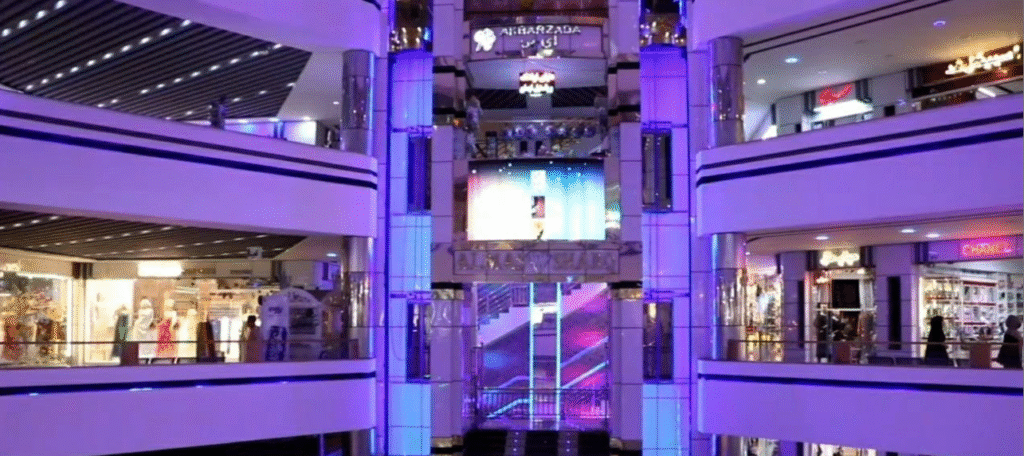
Almas Sharq Market – Herat Almas Sharq Market in Herat is one of the main shopping and commercial centers in the eastern part of the city. It combines the traditional architecture and local heritage of Herat with modern facilities and up-to-date stores. For over a decade, this market has been recognized as an economic and social hub of the eastern city, playing an important role in the daily lives of its residents. Almas Sharq Market is not only significant for everyday shopping of essential goods such as clothing, bags, shoes, and electronics, but also serves as a popular destination for tourists and international visitors due to its variety of stores and local products. Visitors can experience traditional shopping with the opportunity to bargain while also enjoying modern shops featuring domestic and international brands. Culturally, Almas Sharq Market acts as an active social and cultural center. Local people gather here, exchange advice about products, and participate in short cultural events and handicraft exhibitions. This combination of shopping, social interaction, and cultural experience makes Almas Sharq Market a key location in Herat that fulfills not only economic needs but also the social and cultural needs of its citizens. Shops and Products Almas Sharq Market in Herat hosts over 1,000 diverse shops, offering a wide range of products and services. This large number of stores allows visitors to find all their daily and commercial needs in one place. Key features of shops and products at Almas Sharq Market include: This extensive variety makes the market a complete destination for shopping, gifts, and even urban tourism, providing a unique shopping experience for residents and visitors alike. Many shops also feature modern retail spaces with professional lighting and attractive displays, making shopping convenient and enjoyable. At the same time, some stores maintain traditional small spaces with local architecture, evoking the authentic Herati shopping experience. Facilities and Entertainment Almas Sharq Market is more than just a shopping location; it offers a variety of facilities and services: Exact Address Almas Sharq Market, Bank Khon Road, Almas Sharq Commercial Complex, Herat, Afghanistan

online universities
Editor's Choise, Most Read, Popular Articles, Popular Topics, Recent News, Recent Topics, Special Reports, Uncategorized, Weekly Contents, Weekly Posts

Online Universities and Learning Platforms for Afghan Girls

This article provides a list of reputable universities and online education platforms that Afghan girls can use to continue their studies online. It includes approximate registration dates and key points for each institution. University of the People (UoPeople) UoPeople is an internationally recognized American university that operates entirely online, offering tuition-free bachelor’s and master’s degree programs—particularly beneficial for Afghan girls. The university uses a distance-learning model, with only minimal fees for processing documents. Programs include Business Administration, Computer Science, and Education. Virtual University of Afghanistan (VUA) The Virtual University of Afghanistan is a national project supported by the Ministry of Higher Education of Afghanistan, providing quality online education for all Afghans, especially women. It offers bachelor’s, master’s, and short courses in Dari and Pashto, taught by both national and international professors. Open University (UK) A prestigious UK-based university that offers distance learning globally. With a flexible structure, it is a great option for Afghan girls who wish to study diverse fields such as Social Sciences, Technology, Languages, and Public Health. English language proficiency is required. edX / Coursera (Academic and Professional Online Courses) edX is an online learning platform founded by top universities such as Harvard and MIT, offering free and paid courses at undergraduate, graduate, and professional certificate levels. Afghan girls can study in fields like Computer Science, Business, Project Management, and Health Sciences, with certificates available. Coursera is one of the world’s largest online learning platforms, partnering with leading universities to offer free and paid courses in various subjects, such as Programming, Interpretation, Economics, and Psychology. Asian e-University (AeU) AeU is a regional university based in Malaysia, offering both online and on-campus programs. It provides bachelor’s, master’s, and doctoral programs in English, with no visa requirement for Afghan students. Kardan University (Online Division) Kardan University is a private and reputable Afghan institution offering online programs in Business Administration, Computer Science, and International Relations for students unable to attend in person. Islamic Online University (IOU) An Islamic-focused online university offering programs in Islamic Studies, Education, Psychology, and Islamic Economics. It is ideal for Afghan girls interested in religious education with an academic perspective. Summary Table University / Platform Degree(s) Registration Dates Language(s) Website University of the People Bachelor’s, Master’s Mid-Jan, May, Sep English uopeople.edu Virtual University of Afghanistan Bachelor’s, Master’s Spring & Fall (annual) Dari, Pashto vu.edu.af Open University (UK) Bachelor’s, Master’s Oct, Feb, Jun English open.ac.uk edX / Coursera Various Always open English, others edx.org / coursera.org Asian e-University Bachelor’s, Master’s, PhD Jan, Jul English aeu.edu.my Kardan University Bachelor’s Spring, Fall Dari, English kardan.edu.af Islamic Online University Bachelor’s, Master’s Jan, Apr, Jul, Oct English, Arabic islamiconlineuniversity.com

مکتب آنلاین
Editor's Choise, Most Read, Popular Articles, Popular Topics, Recent News, Recent Topics, Special Reports, Uncategorized, Weekly Contents, Weekly Posts

Online Schools for Afghan Girls

Online Schools Due to the restrictions imposed on girls’ education in Afghanistan in recent years, the path to learning—especially for girls—has become increasingly difficult. However, technology has opened new doors, enabling access to education through online schools and universities. This article introduces several online platforms that provide free or low-cost educational opportunities for Afghan girls. SOLA / SOLAx (School of Leadership, Afghanistan) SOLA was the first boarding school for girls in Afghanistan, now operating in Rwanda. Through its online platform xSOLA, the school offers Afghanistan’s official curriculum for free via Popsato to over 20,000 Afghan girls in more than 57 countries. Courses are available in Dari, Pashto, and English. Learn Afghan Learn Afghan is an online learning platform that aims to provide high-quality educational resources in Pashto and Dari for Afghan learners. It offers a variety of academic and professional courses—some free and some low-cost. Upon course completion, students receive a certificate that is useful for resumes and LinkedIn. Learners can take multiple courses simultaneously, and all content is optimized for mobile and tablet use. Begum Academy Begum Academy is a free educational platform for Afghan girls from grades 7 to 12, offering video-based lessons aligned with the official curriculum. It has produced over 8,000 educational videos in Dari and Pashto. Designed to be simple and accessible, it’s ideal for students with limited digital literacy. The academy is run by the Begum Organization. Maktab93 Maktab93 is a free online school for Afghan students, especially girls who have been deprived of formal education. It provides interactive video lessons, online exams, and direct teacher support. After each course, students submit assignments which are marked and returned with feedback. A rich library of textbooks and additional resources is available for in-depth learning. The platform is optimized for low-speed internet and features a user-friendly interface for students across Afghanistan. Afghanistan Youth Foundation – Youth Online School This is a branch of the Afghanistan Youth Foundation focused on delivering structured and free secondary education to Afghan girls—particularly those who have been unable to continue their studies beyond Grade 6. Herat Online School Herat Online School is a non-governmental online school launched in 2021 by Gulnira Jalay in the Netherlands. It provides free secondary education for Afghan girls who are unable to attend school. The school has over 3,000 students and 400 volunteer teachers. Lessons are delivered through pre-recorded videos and live sessions, covering about 48 different subjects.

Adraskan District
Editor's Choise, Most Read, Popular Articles, Popular Topics, Recent News, Recent Topics, Special Reports, Top New, Uncategorized, Weekly Contents, Weekly Posts

Adraskan District in Herat

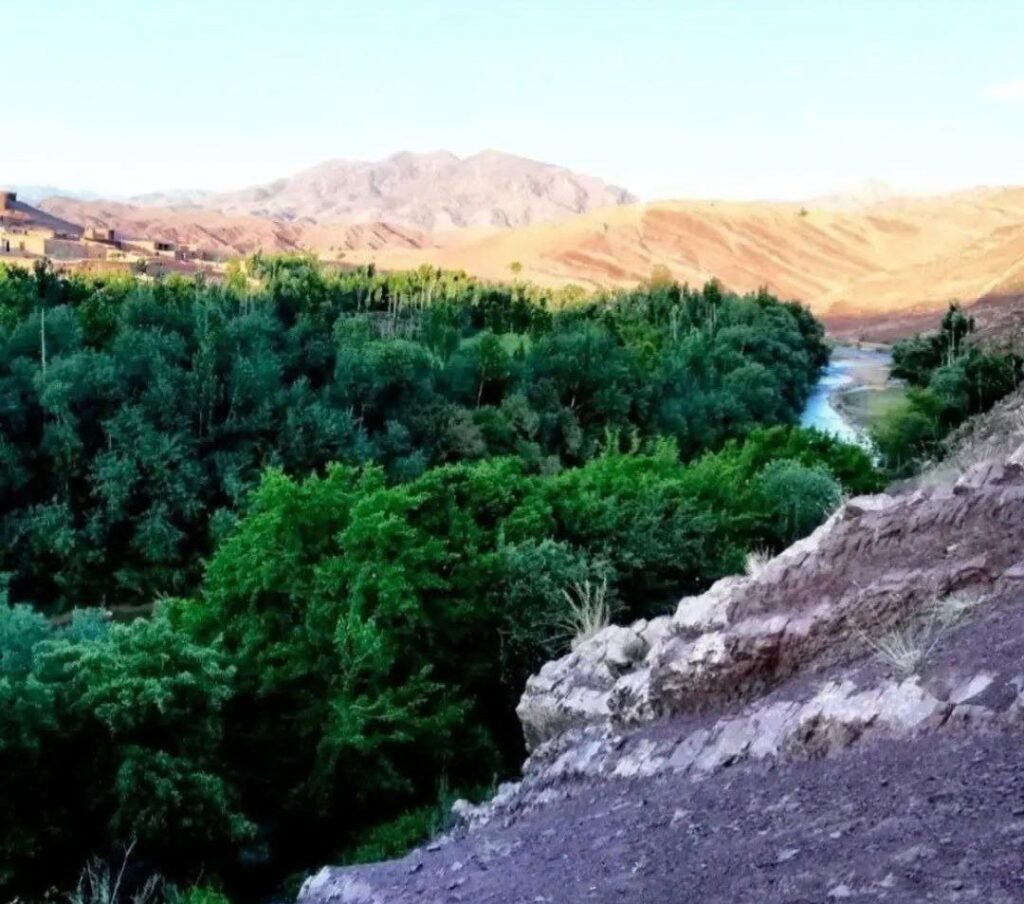
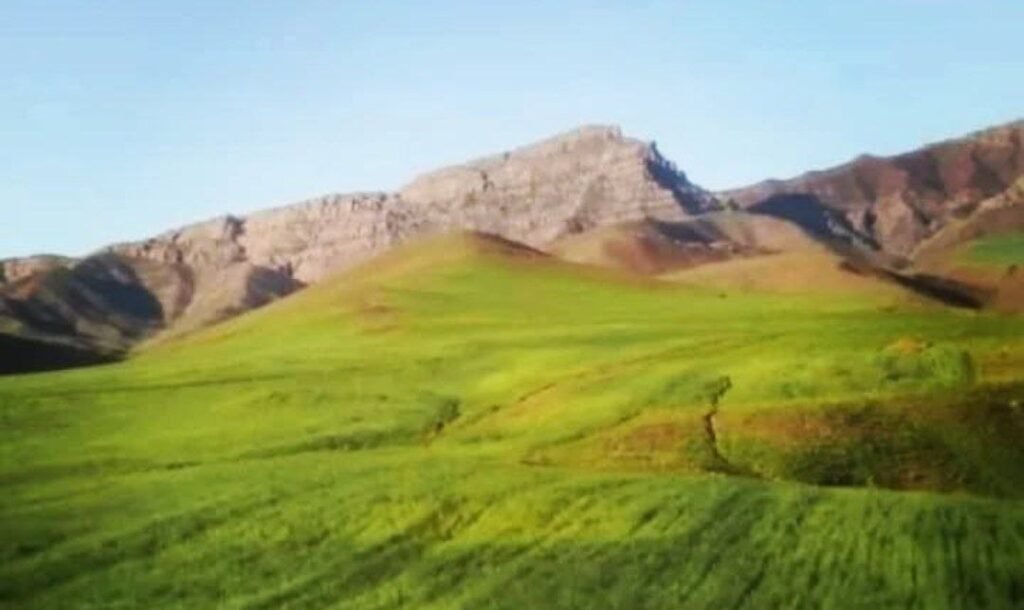
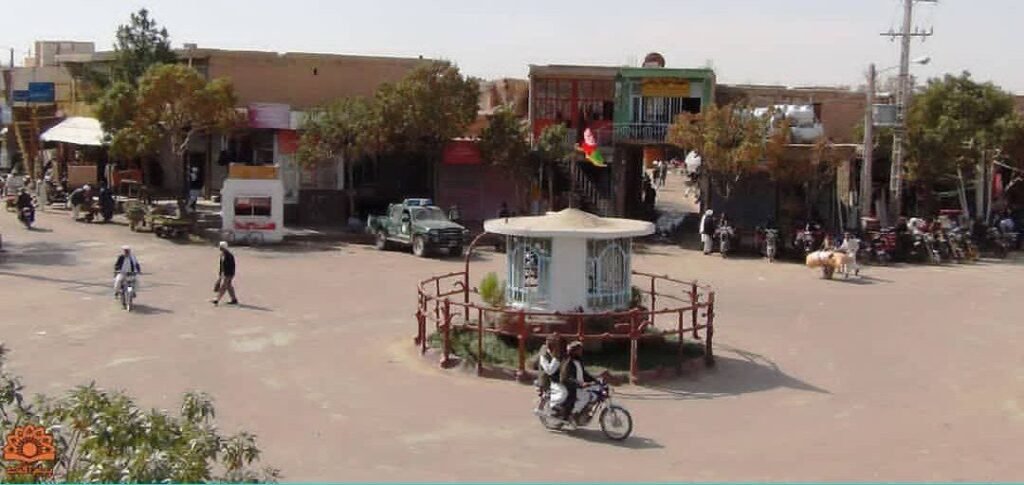
Adraskan District Adraskan District is one of the oldest and most important districts in Herat Province, western Afghanistan. This area boasts a rich history, diverse geography, and valuable natural resources. Its hardworking residents play a key role in the province’s economic, cultural, and social development. This article offers an in-depth look at Adraskan’s geography, history, society, economy, and culture. Geography and Location of Adraskan District Adraskan District is located in the southern part of Herat Province, approximately 9 kilometers from the provincial center. It is bordered to the north by Guzara, Pashtun Zarghun, and Ghurian districts; to the south by Shindand District (formerly Sabzawar); to the east by Farsi District; and to the west by the Islamic Republic of Iran. Its area is estimated to be about 4010 square kilometers. The important Herat–Kandahar highway, one of the country’s vital transit arteries, passes through this district and plays a significant role in the region’s economic development. Topography and Natural Resources The landscape of Adraskan is mountainous and valley-rich. The Adraskan River originates in Farsi and Tulak districts of Ghor and flows through the area. This river creates fertile valley lands, which support agriculture and livestock farming. These natural advantages have helped the local economy thrive. Historical Background Human settlement in this district dates back to ancient times and the Aryan Zoroastrian civilization. Some local sources believe that the name “Adraskan” derives from the word “Azarshkan,” which in the Dehkhoda lexicon means “house of fire” or “place of fire worshippers.” Over time and linguistic evolution, the name transformed into its current form, “Adraskan.” Historically, Adraskan was part of Sabzawar District (now Shindand). Population and Social Structure The people of Adraskan are mainly Persian-speaking ethnic groups including Tajiks and Hazaras. Their lifestyle largely revolves around agriculture, animal husbandry, carpet weaving, and local trade. The Adraskan market, especially on market days (Fridays), serves as an important center for local commerce, offering products such as fruits, vegetables, dairy, clarified butter (ghee), and rauch (a local product). The inhabitants are known for their warmth, hospitality, pride, and strong attachment to their land. Culture and Art in Adraskan District Adraskan has a distinguished heritage in carpet weaving, kilim weaving, and historically in a type of textile called Karsbafi. These crafts are traditionally practiced at home and constitute a source of family income. Local music and quatrain poetry are also widespread in the community’s culture. Sports and Youth In recent years, Adraskan District has seen significant growth in local sports such as football and volleyball. According to locals, more than 10 football teams and 4 official volleyball teams are active in the district, some participating in provincial competitions. Artificial turf fields and new sports facilities have been established, encouraging youth participation in healthy social activities. Market and Local Economy The district’s market offers all kinds of essential goods, fruits, vegetables, and household items. Conversations with market vendors reveal that products like turnips, onions, tomatoes, potatoes, rauch, and beverages are either produced locally or supplied from Herat city. Some vendors have a background of labor migration to Iran and Turkey but now operate in the local market and homes. Adraskan is not only important geographically and economically but also has a valuable historical and rich cultural background. The active participation of its people in agriculture, trade, sports, and arts has made this district one of the dynamic and promising regions of Herat Province. If infrastructure, education, and social services are further developed, Adraskan could play an even greater role in the development of western Afghanistan.

Editor's Choise, Most Read, Popular Articles, Popular Topics, Recent News, Recent Topics, Special Reports, Uncategorized, Weekly Contents, Weekly Posts

Gulran District Herat Province

Gulran District Gulran is one of the northwestern districts of Herat Province, located in western Afghanistan. It shares its western border with Iran. To the east, it borders the districts of Kushk, Rabat Sangi, and Zinda Jan; to the south, it is bordered by Ghoryan; and to the north, by parts of Badghis Province. The distance between the district center and Herat city is approximately 130 kilometers. Climate and Nature Gulran has a semi-arid and mountainous climate. Summers are hot and dry, while winters are cold with minimal rainfall. Some areas have fertile soil suitable for agriculture. However, recurring droughts and climate change have created serious challenges for local farmers. Demographics and Ethnic Groups Estimates suggest that Gulran has a population of approximately 70,000 to 80,000 people. The district is home to various ethnic groups, including: The coexistence of these groups has fostered rich cultural and social ties and strengthened local cooperation. Language and Culture The main languages spoken in Gulran are Dari, Pashto, and Turkmeni. The culture is deeply rooted in local traditions, Islamic values, and tribal customs. On religious and national occasions such as Eid, Ashura, Nowruz, and Independence Day, people celebrate with ceremonies, traditional clothing, music, and local cuisine, expressing their cultural identity. Economy and Sources of Income Gulran’s economy largely depends on agriculture and livestock farming: Despite these resources, many people in Gulran face poverty, water shortages, and limited employment opportunities, leading to frequent migration. Infrastructure and Services 1. Education 2. Health Services 3. Roads and Transportation 4. Security Development Potential and Opportunities Despite its challenges, Gulran has strong potential for development:

Ghurian District
Editor's Choise, Most Read, Popular Articles, Popular Topics, Recent News, Recent Topics, Special Reports, Uncategorized, Weekly Contents, Weekly Posts

Ghurian District of Herat

Ghurian District Ghurian District is one of the strategically important districts in the western province of Herat, Afghanistan, located near the border with the Islamic Republic of Iran. Known for its unique blend of economic activity, agricultural development, and cultural richness, Ghurian plays a key role in the region’s social and economic landscape. Geographic Location Ghurian is located in the western part of Herat province. It borders Kushk Kuhna and Guzara districts to the north, Zindajan to the south, Injil to the east, and the Islamic Republic of Iran to the west. This strategic geographical location has made Ghurian one of the key trade gateways between Afghanistan and Iran. Economy and Trade Due to its border location, Ghurian has become a major route for legal and informal trade. Local markets are filled with Iranian goods, while Afghan products—especially agricultural ones—are transported across the border. Many families rely on cross-border trading or seasonal labor in Iran as their main source of income. Agriculture Agriculture forms the backbone of livelihoods in Ghurian District. Thanks to its semi-arid climate and access to irrigation from the Hari Rud River and nearby canals, farmers cultivate a variety of crops including wheat, barley, cotton, and vegetables. The district is also known for producing grapes, pomegranates, and melons, which are sold in local markets and sometimes exported. Livestock rearing—particularly of sheep, goats, and cattle—is another major source of income for many rural families. Although climate change and water scarcity pose challenges, traditional farming knowledge combined with recent community initiatives continue to support the agricultural economy. Many households rely on a mix of farming, small trade, and seasonal work in Iran to sustain their livelihoods. Culture and Society The people of Ghurian are known for their hospitality and cultural traditions, including local music, traditional dress, and religious festivals. The district includes both Pashto and Persian-speaking communities, living in harmony. Challenges Despite its strengths, Ghurian faces several issues such as limited infrastructure, lack of modern healthcare and educational services, and water scarcity. Security has improved in recent years, but development projects are still needed to support long-term progress.

Kushk Robat Sangi District, Herat Province
Editor's Choise, Most Read, Popular Articles, Popular Topics, Recent News, Recent Topics, Special Reports, Top New, Uncategorized, Weekly Contents, Weekly Posts

Kushk Robat Sangi District, Herat Province

Kushk Robat Sangi District Kushk Robat Sangi is a significant and strategically situated district in the northern part of Afghanistan’s Herat Province. Located approximately 60 kilometers north of Herat city, it was historically part of the larger Kushk District, which has since been subdivided into two smaller districts: Kushk Robat Sangi and Kushk Kohna. With an area of about 2,923 square kilometers, Kushk Robat Sangi ranks among the largest districts in Herat Province. Its district center sits at an elevation of roughly 1,400 meters above sea level. Bordering Turkmenistan, the district includes the official crossing point and trade hub of Turghandi Port, which plays a central role in trade and logistics between the two countries. Population and Language Estimated at around 135,390 residents, the district is predominantly Dari-speaking, and most of its inhabitants follow the Hanafi school of Sunni Islam. The people are known for their strong sense of hospitality, cultural richness, and religious devotion. Villages and Settlements Kushk Robat Sangi comprises roughly 180 villages—both official and unofficial—scattered across the district. Many of these villages are historically old, and others are located near the border. Historically unpaved rural roads connect these communities, although recent efforts have been made to improve and pave infrastructure. Economy and Livelihood The backbone of the district’s economy is agriculture and livestock rearing. Fertile land, access to irrigation sources, and a temperate climate support the cultivation of wheat, barley, chickpeas, lentils, and other crops. Animal husbandry is also common, with households maintaining sheep, goats, and cattle. Proximity to the Turghandi border crossing has also enabled some residents to engage in cross-border trade and small-scale commerce, harnessing economic opportunities that the official trade point provides. Culture, Education, and Sports Residents of Kushk Robat Sangi place high importance on culture and tradition. Evening gatherings, poetry recitals, religious and literary assemblies frequently take place. Among the youth, popular pastimes include volleyball, football, and traditional sports like goat-butting (bozkashi). Educationally, the district has several primary and secondary schools and a few high schools. Nevertheless, many remote villages still face significant challenges in accessing quality education and modern facilities. Strategic and Political Importance Kushk Robat Sangi’s border with Turkmenistan and its inclusion of the Turghandi port make it strategically critical for political, economic, and security considerations in Herat. In recent years, government agencies and international NGOs have implemented development projects in the district, focusing on infrastructure, agricultural extension, education, and health services.

Guzara
Editor's Choise, Most Read, Popular Articles, Popular Topics, Recent News, Recent Topics, Special Reports, Uncategorized, Weekly Contents, Weekly Posts

Guzara District in Herat Province

Guzara District Guzara District is one of the most significant and historically rich districts of Herat Province, located in western Afghanistan. Due to its strategic geographical location, cultural heritage, and proximity to major national roads, it has always played a vital role among the surrounding districts. Geographical Location of Guzara Guzara is situated in the central part of Herat Province. It shares borders with Herat city to the north, Zinda Jan district to the west, Adraskan district to the south, and Injil district to the east. Its close proximity to Herat city has enabled Guzara to serve as an important hub for economic, social, and cultural exchange in the region. Population and Social Structure The district is home to a diverse population, mainly Persian Dari-speaking communities. Locals are known for their hospitality, strong religious values, and tight-knit social structure. Traditional clothing, cultural and religious gatherings, and community engagement in mosques and public venues are an essential part of daily life. Economic Potentials Guzara’s economy primarily relies on agriculture, livestock farming, and horticulture. The district benefits from fertile land, reliable irrigation from canals and wells, and the expertise of experienced farmers. Key products include wheat, barley, grapes, melons, and a variety of vegetables. Surrounding orchards have also boosted employment and income generation for local families. Additionally, traditional handicrafts such as carpet weaving and kilim weaving are widespread among women and families, playing a crucial role in household-level income. Cultural and Natural Attractions Despite being near the city, Guzara still preserves natural beauty and untouched landscapes. Expansive green fields, agricultural lands, and numerous orchards offer a pleasant setting for local tourism. The district also provides opportunities for light hiking and eco-tourism. Moreover, several religious and historical sites within the district attract local visitors and pilgrims. Development Potential With its combination of natural beauty, fertile soil, cultural depth, and proximity to Herat city, Guzara is a promising area for future development in the province. By improving infrastructure and supporting development projects, this district can significantly contribute to the economic and cultural growth of the region.

Zendejan District
Editor's Choise, Most Read, Popular Articles, Popular Topics, Recent News, Recent Topics, Special Reports, Top New, Uncategorized, Weekly Contents, Weekly Posts

Zendejan District in Herat

Zendejan District Herat Province, located in western Afghanistan, is renowned for its diverse climate and geography, making it one of the most prominent provinces in terms of natural resources and pristine tourist attractions. The districts of Zendejan and Qoryan, especially in their border areas, feature breathtaking landscapes, valuable water resources, and natural vegetation, offering an excellent foundation for developing rural tourism and ecotourism. This article examines the location, capacities, and current status of two important areas: Bend-e Qoryan and Zendejan Forest. Due to their geographic position, indigenous culture, and unique natural environment, these areas have attracted the attention of locals and nature enthusiasts alike. Geographical Location and Access Bend-e Qoryan is located at the border between Zendejan and Qoryan districts, approximately 30 to 35 kilometers from Herat city center. Access to this area is possible via the Pul-e Hashemi road, and traveling by private vehicle takes less than an hour. Zendejan Forest, locally called “Qorogh,” lies in the heart of Zendejan district. This area is known for its relatively dense vegetation and protected lands, which give it a special status among local communities. Bend-e Qoryan: A Source of Agriculture and Natural Beauty Bend-e Qoryan is a vital water source for western Herat. Fed by natural water, this dam plays a key role in irrigating farmlands in Qoryan, Kohsan, and parts of Injil districts. Beyond its economic importance, Bend-e Qoryan is also naturally significant; the surrounding mountains, reflective waters, and tranquil environment make it an ideal location for relaxation and ecotourism. Zendejan Forest (Qorogh): A Protected Green Space The term “Qorogh” in the local Herati dialect refers to an area temporarily or permanently protected by the local people or authorities. In these zones, the extraction of natural resources like wood or plants is limited or prohibited. Zendejan Forest, as one of these qoroghs, boasts natural vegetation, lush grounds, and an environment suitable for family and friendly gatherings. Culture, People, and Hospitality One notable feature of these regions is the rich local culture. Visitors often experience warm hospitality, traditional clothing, and local foods such as tandoori bread, land meat, and saffron tea. Many locals also engage in handicrafts like felt weaving (namad), which holds cultural significance and provides economic benefits for families. Tourism and Recreational Opportunities Despite the natural beauty and open spaces, these areas lack adequate tourism infrastructure. Nevertheless, activities such as: are possible here. With proper planning, these could attract both domestic and international tourists. Challenges and Needs Despite their potential, Bend-e Qoryan and Zendejan Forest face several challenges: Suggestions and Solutions To preserve and develop these areas, the following measures are recommended: Natural sites like Bend-e Qoryan and Zendejan Forest are valuable geographical, environmental, and cultural assets of Herat Province. Protecting and wisely utilizing these resources can not only support sustainable regional development but also enhance social vitality, strengthen local culture, and expand tourism on both national and international levels.

Scroll to Top